
New Zealand Pacific Tourism Security Update as Chinese Naval Activity Raises Airline Flight Route, Cruise Shipping, and Traveller Safety Concerns Across South Pacific International Travel Corridors
Chinese naval activity in the Tasman Sea raises security concerns for New Zealand Pacific tourism, affecting airline rou

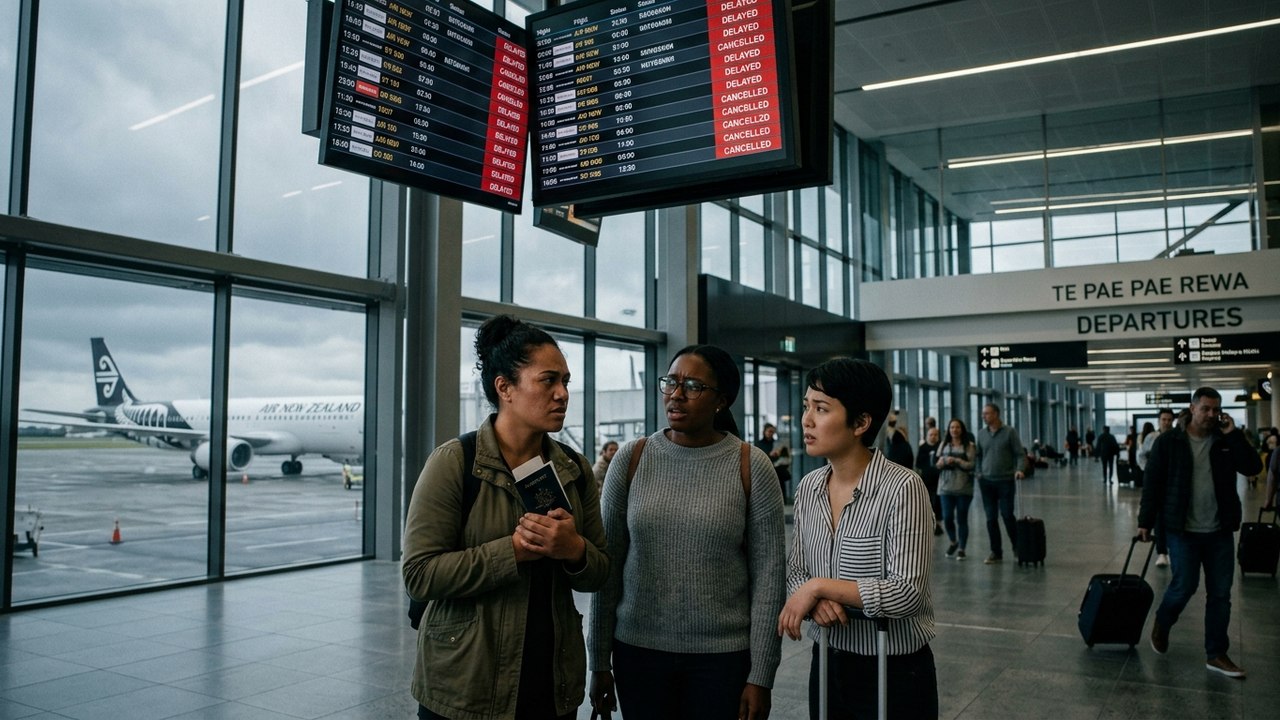
Image generated by AI
[Wellington, June 26, 2026] — New Zealand and South Pacific aviation and maritime corridors are facing heightened security scrutiny as increased Chinese naval activity in the region prompts concerns over flight route stability, cruise shipping safety, and overall traveler confidence. Industry reports indicate that the intersection of geopolitical strategic competition and commercial travel is creating a more complex operating environment for carriers and tourism operators across the Tasman Sea and beyond.
The South Pacific is no longer viewed merely as a leisure destination but as a critical geopolitical corridor where national security and trade are inextricably linked to the movement of people. As the Indo-Pacific becomes a focal point for strategic competition, the stability of air and sea routes is becoming a primary concern for tourism boards and transport providers who rely on predictable connectivity to maintain economic growth.
Chinese Naval Movements Impacting Tasman Sea Operations
In February 2025, the New Zealand Defence Force (NZDF), in coordination with Australian authorities, monitored a People’s Liberation Army Navy (PLAN) task group operating within the Tasman Sea. Flight tracking and naval data placed the group in international waters, approximately 350 nautical miles northeast of Australia’s Bass Strait.
The task group, which included the cruiser Zunyi, the frigate Hengyang, and the replenishment vessel Weishanhu, was closely tracked by P-8A Poseidon aircraft from both the Royal New Zealand Air Force and the Royal Australian Air Force. While the vessels remained outside New Zealand’s exclusive economic zone, the NZDF noted in its annual report that the incident underscores the increasing strategic significance of the South-West Pacific.
Aviation Routing and Live-Fire Exercise Risks
While military presence in international waters does not typically trigger a travel crisis, specific activities—such as short-notice live-fire drills—can immediately disrupt civil aviation. According to statements from Australian Defence Minister Richard Marles, some commercial aircraft received notifications of military activity while already in flight, necessitating immediate route diversions.
For the aviation sector, these disruptions translate into increased flight times, missed connections, and operational uncertainty for airlines servicing the high-traffic routes between Australia and New Zealand. Because these corridors support a diverse range of travel—including business events, educational exchanges, and cruise turnaround flights—any perceived instability can ripple through airport schedules and affect booking behaviors.
Strategic Competition and the Tourism Growth Roadmap
The urgency of maintaining stability is highlighted by New Zealand’s ambitious tourism targets. The Government’s Tourism Growth Roadmap seeks to restore international visitor arrivals to at least 2019 levels by 2026 and aims to double the value of tourism exports by 2034 compared to 2023 figures.
The Ministry of Business, Innovation and Employment (MBIE) has identified aviation and cruise infrastructure as the two most critical pillars for achieving these goals. Consequently, regional security is no longer just a defense matter; it is an infrastructure priority. The industry requires dependable corridors and predictable maritime conditions to ensure that long-haul air networks and cruise deployments remain viable.
Dual-Use Infrastructure and Visitor Confidence
New Zealand’s national security strategy warns that the Indo-Pacific is the center of intense strategic competition, noting that tensions at regional flashpoints can disrupt supply chains and trade. A particular point of concern is the development of ports and airports through external cooperation, which some officials fear could serve "dual-use" purposes—functioning as both civilian gateways and military hubs.
For the travel industry, the perception that civilian infrastructure could become contested may influence how cruise lines plan their itineraries and how airlines decide on network expansions. If a port is viewed as a strategic asset rather than a tourism hub, it could affect insurance costs, fuel planning, and overall destination confidence.
Maritime Awareness Challenges for Cruise Operators
Cruise shipping in the Pacific has traditionally navigated risks associated with cyclones, limited port infrastructure, and medical evacuation logistics. However, the addition of strategic security competition adds a new layer of complexity to itinerary planning.
Industry observers suggest that while there is no immediate reason for travelers to avoid the region, operators must implement more robust contingency planning. This includes maintaining flexible routing, enhancing communication channels with port authorities, and ensuring passengers are briefed on potential itinerary changes.
New Zealand's Enhanced Defense and Surveillance Capabilities
To mitigate these risks, New Zealand’s 2025 Defence Capability Plan has pivoted toward increased surveillance and maritime awareness. The government is investing in:
- Uncrewed Aircraft: Long-range remotely piloted aircraft for intelligence, surveillance, and reconnaissance (ISR) across the Southern Ocean and Pacific.
- Space Systems: Enhanced satellite capabilities to support the communications, navigation, and surveillance (CNS) systems that both military and commercial aviation rely upon.
- Maritime Monitoring: Increased assets to protect New Zealand’s extensive maritime area of interest.
The Ministry of Defence has cautioned that the country's previous reliance on geographic isolation is no longer a sufficient security guarantee, emphasizing the vulnerability of the physical and virtual connections that link the nation to the global economy.
Essential Guidance for South Pacific Travelers
Despite the strategic tensions, officials emphasize that travelers should not panic but should instead adopt a more prepared approach to their journeys.
For Air Travelers:
- Monitor airline notifications closely during known regional security events.
- Avoid scheduling tight, same-day connections when transitioning between long-haul flights and trans-Tasman routes.
- Ensure passports are valid and allow extra time for international transfers.
For Cruise Passengers:
- Verify that travel insurance includes comprehensive medical evacuation coverage.
- Review the "fine print" regarding route-change clauses and weather disruption policies.
- Register travel through official government systems where recommended.
For Island Visitors:
- Be aware that smaller Pacific islands may have limited medical facilities.
- Understand that severe weather or maritime restrictions can either delay or cancel transport options.
Building Resilience in the Tourism Sector
Tourism businesses—including hotel operators, tour agencies, and destination marketers—are encouraged to integrate strategic uncertainty into their operational risk management. This involves creating pre-approved communication templates to inform guests of disruptions and establishing direct lines of coordination with insurers and port agents.
The most successful destinations will be those that maintain transparency regarding risks and respond rapidly to changes, thereby protecting visitor confidence.
The long-term outlook for Pacific travel suggests that while the immediate impact of naval activity may be limited, the background environment has fundamentally shifted. Future growth in the region will depend on a combination of aviation resilience, enhanced security awareness, and clear guidance for the international traveling public.
Related Travel Guides
Disclaimer
This article is for informational and educational purposes only. It does not constitute legal, financial, or professional advice. While we strive to provide accurate and up-to-date information, travel policies, regulations, and conditions change rapidly. Always verify information with official sources before making travel decisions. Nomad Lawyer makes no representations about the accuracy, reliability, completeness, or suitability of the information provided. Readers should consult qualified professionals for advice specific to their circumstances. The views expressed in this article are those of the author and do not necessarily reflect the views of Nomad Lawyer.
Kunal K Choudhary
Co-Founder & Contributor
A passionate traveller and tech enthusiast. Kunal contributes to the vision and growth of Nomad Lawyer, bringing fresh perspectives and driving the community forward.
Learn more about our team →