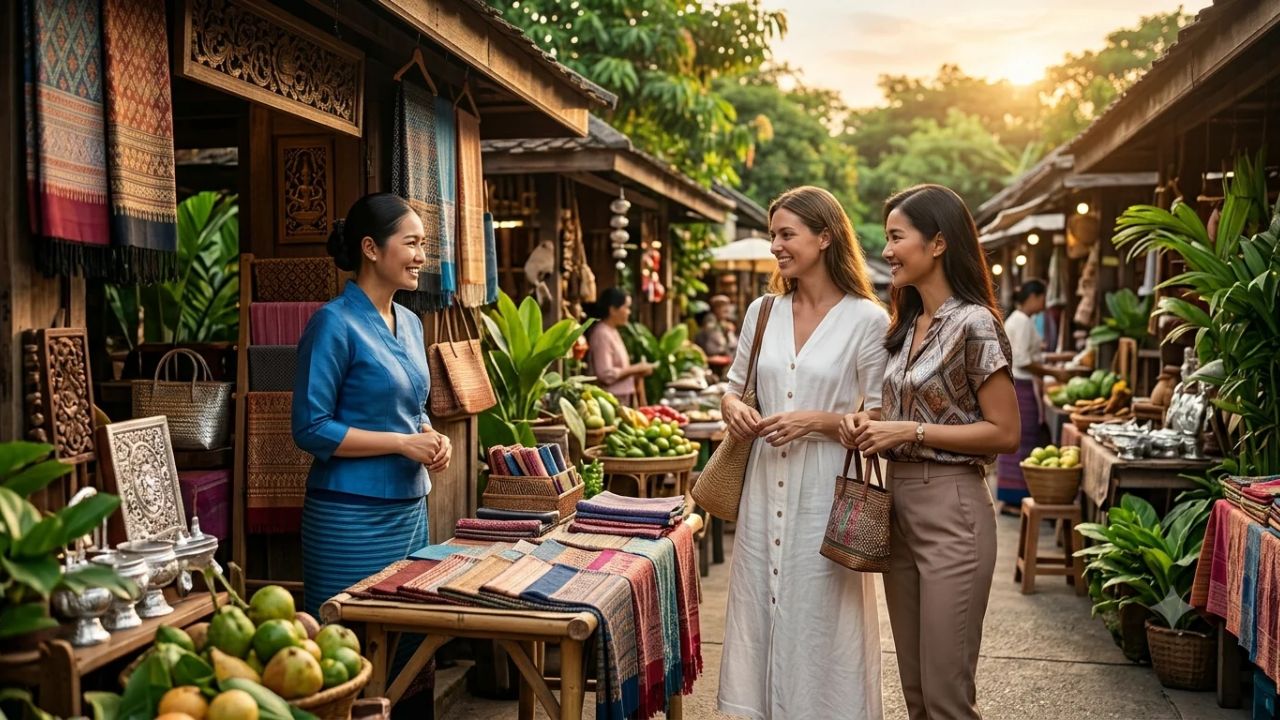
Sri Lanka Tourism Recovery Gains Pace as Visitor Arrivals Rebuild National Economy

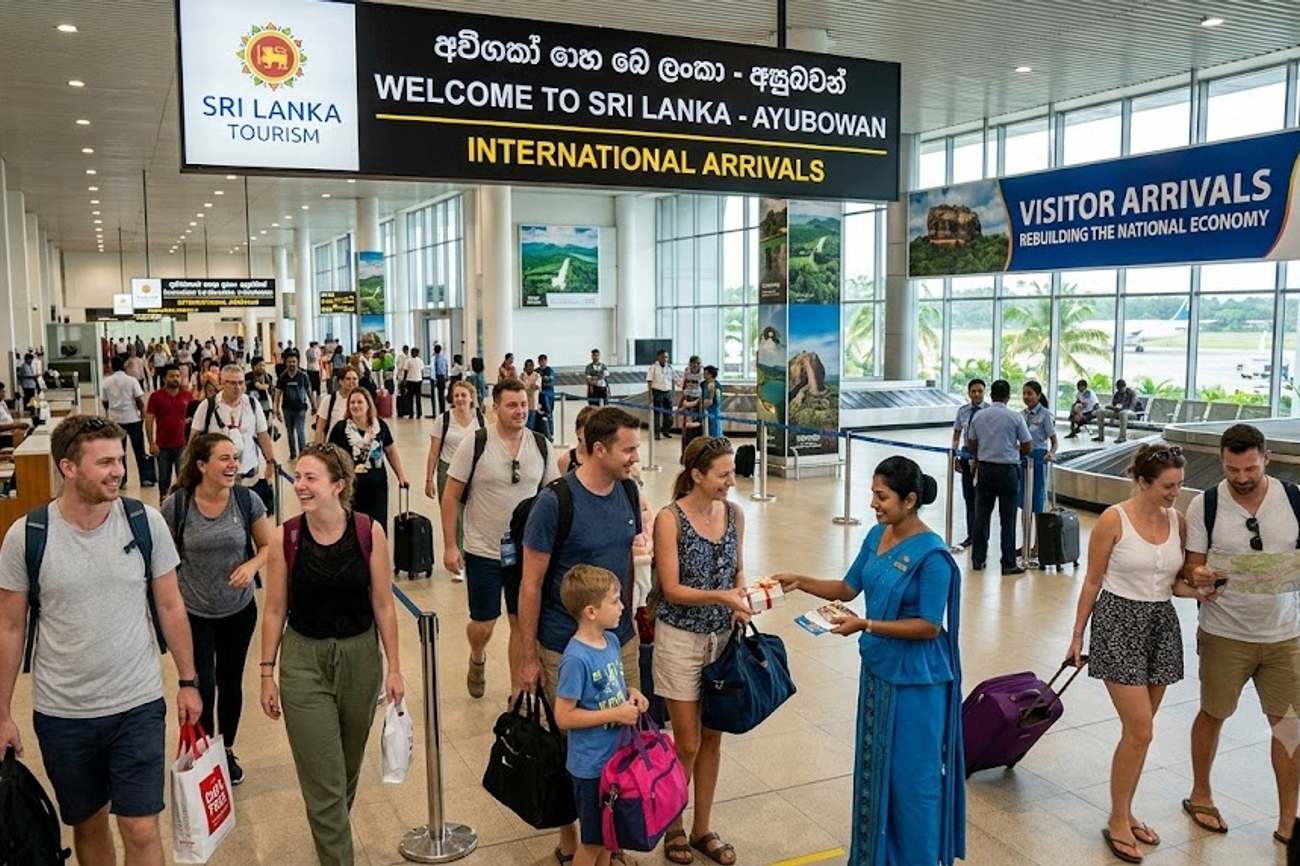
Image generated by AI
2.36 million international visitors arrived in Sri Lanka in 2025, marking a record-breaking peak that has effectively reset the baseline for the island's economic recovery. This surge in arrivals represents more than just a return to pre-pandemic levels; it is a strategic pivot intended to stabilize a national economy previously crippled by a volatile cocktail of COVID-19 lockdowns, severe internal political instability, and runaway inflation. As the country moves through 2026, the focus has shifted from mere survival to a sophisticated effort by the Sri Lanka Tourism Development Authority (SLTDA) to reposition the destination as a high-value hub for wellness, ecotourism, and cultural heritage.
The Mechanics of a Post-Crisis Rebound
The restoration of the visitor economy in Sri Lanka is not a passive occurrence but a calculated response to a period of systemic collapse. Between the global pandemic and a domestic financial crisis that paralyzed fuel supplies and transport logistics, the tourism sector—a primary engine for foreign currency—nearly vanished. The 2025 record of 2.36 million arrivals served as the catalyst for a wider industrial revival, allowing hotels to reopen their doors and restoring the livelihoods of thousands of licensed guides and transport operators.
For the Sri Lankan state, tourism is the most efficient mechanism for generating the foreign exchange necessary to manage its balance of payments. By leveraging the Central Bank of Sri Lanka external-sector data, the government is now tracking the quality of arrivals rather than just the quantity. The goal is to move away from low-margin mass tourism toward a model that prioritizes longer stays and higher daily expenditures, ensuring that the financial benefits penetrate deeper into the local economy rather than remaining trapped within international resort chains.
Revenue Metrics and Market Diversification
The financial impact of this recovery is substantial, with tourism earnings reaching approximately US$3.2 billion in 2025. However, the 2026 strategy emphasizes that volume does not always equal value. The disconnect between arrival numbers and actual revenue is a critical metric for the SLTDA; a surge in short-term visitors from budget markets may increase airport congestion without providing a proportional boost to the national treasury.
To mitigate the risk of over-reliance on a single economy, Sri Lanka has diversified its source markets. While India remains the dominant force due to geographical proximity and deep-rooted religious and business ties, the country has successfully attracted significant flows from the United Kingdom, Russia, Germany, China, and Australia. This diversification acts as a hedge against geopolitical shifts or economic downturns in any one specific region.
| Tourism Indicator | 2025/2026 Data Point | Strategic Significance |
|---|---|---|
| Total International Arrivals | 2.36 Million (2025) | Establishes a new historical peak for recovery |
| Total Tourism Earnings | US$3.2 Billion (2025) | Critical inflow for foreign exchange reserves |
| Primary Source Markets | India, UK, Russia, Germany, China | Reduces systemic risk via market diversification |
| Reporting Frequency | Weekly SLTDA Bulletins | Allows real-time capacity adjustments for SMEs |
| Core Product Pillars | Culture, Wildlife, Wellness, Beaches | Distributes visitor spend across diverse provinces |
Expert Analysis: The Shift Toward High-Yield Tourism
For travelers booking trips to Sri Lanka in 2026, the direct consequence of this government shift is a visible move toward "value-based" tourism. We are seeing a transition where the state actively encourages the "Home Stay" model. By regulating and licensing residential accommodations, the SLTDA is attempting to decentralize the tourism economy. This means that instead of spending 90% of their budget at a coastal all-inclusive resort, travelers are being nudged toward locally owned boutiques and community-led experiences in the Cultural Triangle or the hill country.
The pricing pressure created by this shift is twofold. First, there is a push for higher-quality, licensed services, which may increase the cost of "official" tours but reduces the risk of fraud and poor service. Second, the emphasis on Ayurveda and wellness is a deliberate attempt to extend the average length of stay. From a business perspective, a visitor who stays 14 days for a wellness retreat is exponentially more valuable to the local economy than a 3-day transit tourist.
Furthermore, the reliance on Bandaranaike International Airport creates a logistical bottleneck. The entire recovery is tethered to aviation efficiency. Any fluctuation in direct flight capacity from the UK or China immediately impacts hotel occupancy rates in distant regions like Yala or Sigiriya. The current strategy of utilizing one-stop connections is a necessary stopgap, but the long-term stability of the sector depends on expanding direct air access to reduce travel time and lower the barrier to entry for high-net-worth individuals.
Key Takeaways
- Record-Breaking Volume: 2025 saw a peak of 2.36 million visitors, providing the financial foundation for the 2026 recovery phase.
- Revenue Generation: Tourism contributed US$3.2 billion in 2025, serving as a vital source of foreign currency for the Central Bank.
- Market Hedging: The visitor base is now split across India, the UK, Russia, Germany, China, and Australia to prevent over-dependence on one nation.
- Decentralized Spending: The SLTDA Home Stay programme is designed to move capital from major hubs into rural communities through licensed, regulated providers.
- Aviation Dependency: Sustained growth is entirely contingent on the efficiency and capacity of Bandaranaike International Airport.
FAQ: Sri Lanka Travel 2026
Is it safe to use unlicensed guides or home stays in Sri Lanka? It is discouraged. The SLTDA maintains official registers for hotels and guides to ensure safety and service standards. Using licensed providers ensures your spending supports the regulated economy and reduces the risk of subpar experiences.
Which markets are currently the biggest contributors to Sri Lankan tourism? India is the primary market due to proximity and cultural links, followed by significant visitor numbers from the United Kingdom, Russia, Germany, China, and Australia.
What are the main regions to visit for a high-value experience? For culture, focus on the Cultural Triangle (Sigiriya, Dambulla, Kandy). For nature, visit Yala, Udawalawe, and Wilpattu. For wellness, explore Ayurveda centers in the hill country and coastal regions like Bentota.
How does the 2025 visitor record affect current travel prices? Increased demand often leads to higher occupancy in premium hotels. However, the government's push for diversified accommodation, such as registered home stays, provides more competitive pricing options for travelers.
The transition from recovery to sustainability will determine if Sri Lanka can turn record arrival numbers into long-term economic sovereignty.
Tags: Sri Lanka Tourism Development Authority, Bandaranaike International Airport, Sri Lanka Economy 2026, SLTDA Home Stay, Sri Lanka Foreign Exchange
Related Travel Guides
This article is for informational purposes. Flight routes, passenger regulations, visa rules, and transit advisories are subject to change by airlines and aviation authorities. Readers are advised to verify schedules and travel documentation with relevant carriers and border agencies before departure.
Related Stories

South Africa Expands Inclusive Wildlife Tourism with Woman-Owned Wellness Centre at Addo Elephant National Park
Mexico Beach Tourism Slowdown 2026: Cancún, Tulum, and Cozumel Slump as International Air Arrivals Drop 9.9%