
Spain International Tourism Spending Reaches €13.55 Billion as Nordic Demand Drives Premium Travel Shift
Spain recorded €13.553 billion in international tourism spending in May 2026, driven by higher-value travel demand from Sweden, Denmark, Finland, and the Netherlands.

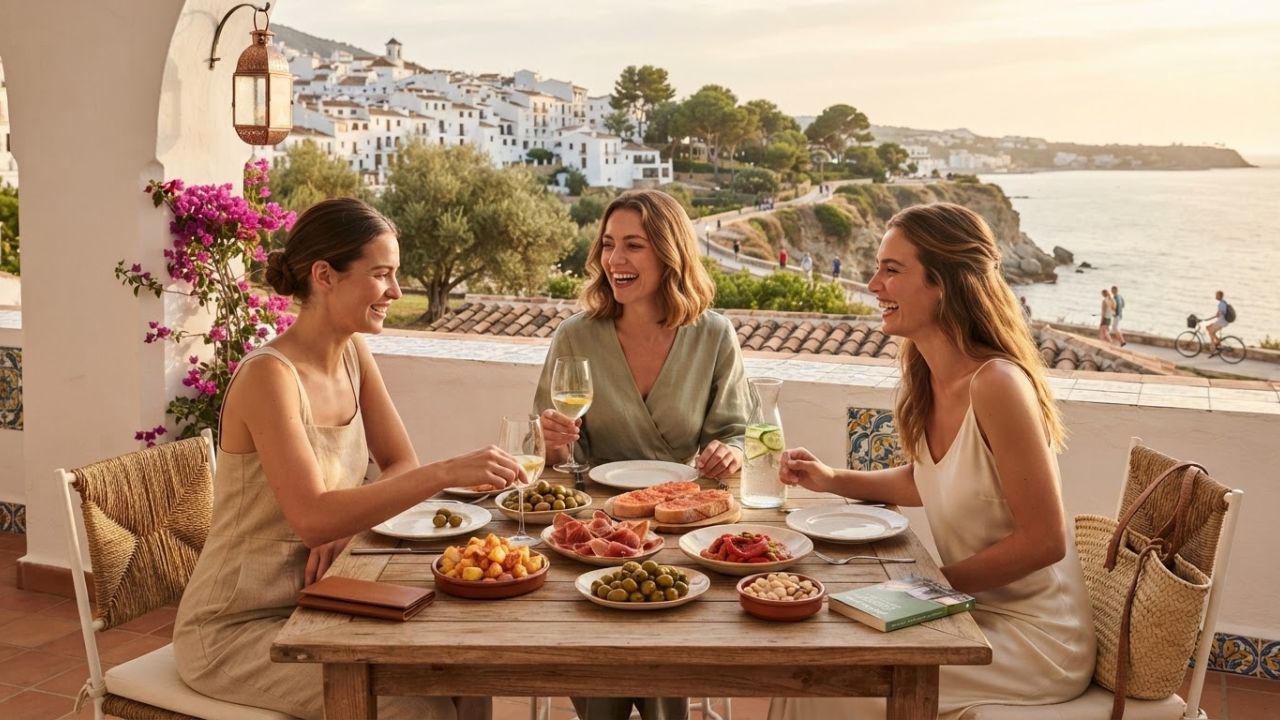
Image generated by AI
International tourist spending in Spain surged to €13.553 billion in May 2026, propelled by strong demand for luxury hospitality, cultural itineraries, and high-value travel from Sweden, Norway, Denmark, Finland, and the Netherlands.
MADRID — Spain’s tourism sector is accelerating its transition toward a high-value growth model as international visitor spending outpaces volume growth across key European source markets. Official statistics published by Spain’s Ministry of Industry and Tourism and the National Statistics Institute (INE) reveal that international travelers spent €13.553 billion in May 2026—a 10.9% increase compared to the same period last year. Total international arrivals reached 10.3 million (+9.5% year-on-year), with average per-visitor spending rising to €1,321.
| Spain Tourism Indicator (May 2026) | Performance Metric |
|---|---|
| International Arrivals | 10.3 million visitors (+9.5% YoY) |
| Total Tourism Spending | €13.553 billion (+10.9% YoY) |
| Average Per-Visitor Spend | €1,321 per traveler |
| Primary Growth Drivers | High-end hospitality, cultural itineraries, and shoulder-season escapes |
Swedish Travelers Shift Preference Toward High-End Hospitality and Wellness
Sweden is emerging as a critical source market underpinning Spain’s luxury tourism expansion. Swedish visitors are increasingly prioritizing high-end boutique hotels, wellness retreats, and eco-certified resorts over traditional budget beach packages.
Destination preferences among Swedish travelers span the Canary Islands, Balearic Islands, Costa del Sol, and Barcelona. In response to this demand, Spanish hotel groups are expanding personalized concierge offerings, thermal spa facilities, and sustainable dining concepts across island and urban properties.
| Swedish Traveler Preference | Spanish Tourism Opportunity |
|---|---|
| Winter Sun Holidays | Year-round resort occupancy in the Canary Islands |
| Cultural Travel | High-end urban hotel stays in Barcelona and Madrid |
| Nature Experiences | Rural boutique stays and coastal eco-tours |
| Wellness Travel | Thermal spa packages and wellness retreats |
| Sustainable Tourism | Certified eco-friendly accommodations |
Danish Demand Strengthens Culinary and Heritage Destinations Beyond Coastal Resorts
Travelers from Denmark are actively expanding their travel footprint across Spain, demonstrating strong appetite for gastronomy, regional heritage, and outdoor adventure. Danish visitors frequently seek itineraries that blend coastal relaxation with cultural discovery.
Spanish regional tourism boards in Andalusia, Catalonia, and the Basque Country are targeting the Danish market with tailored food-and-wine trails and active nature excursions.
| Danish Travel Demand | Spanish Tourism Impact |
|---|---|
| Coastal Holidays | High-end resort occupancy along Mediterranean coastlines |
| Gastronomy | Food and wine tourism expansion in regional culinary centers |
| Cultural Experiences | Year-round city break visits to historic capitals |
| Outdoor Activities | Ecotourism and hiking route developments in northern Spain |
| Sustainable Stays | Increased demand for environmentally responsible hotels |
Dutch Market Drives Active Travel and Rural Ecotourism Expansion
The Netherlands continues to represent one of Spain's most consistent source markets for active and experience-focused travel. Dutch tourists favor active holidays that incorporate cycling, coastal hiking, and rural village exploration.
Regions such as Valencia, Andalusia, the Canary Islands, and Green Spain (Asturias, Galicia, Cantabria) report strong summer and shoulder-season bookings from Dutch visitors. Dutch travelers typically record longer average lengths of stay, providing higher overall economic impact for regional hospitality businesses.
| Dutch Traveler Interest | Spanish Tourism Benefit |
|---|---|
| Cycling Tourism | Infrastructure investment in dedicated cycling corridors |
| Nature Experiences | Revenue generation for rural inland communities |
| Cultural Discovery | Off-peak visitation to historic UNESCO heritage towns |
| Sustainable Travel | High uptake of eco-certified rural accommodations |
| Longer Holidays | Higher total spend per trip across regional businesses |
Finnish Travelers Boost Year-Round Shoulder-Season Occupancy
Finland represents a growing Nordic market contributing to Spain’s off-peak tourism revenues. Seeking mild Mediterranean weather during Northern Europe's winter and shoulder months, Finnish travelers support year-round hotel operations across the Canary Islands, Malaga, and Alicante.
Finnish visitors demonstrate high demand for long-stay winter rentals, wellness resorts, and quiet coastal retreats, helping Spanish hoteliers maintain stable occupancy levels outside peak summer months.
| Finnish Traveler Preference | Spanish Tourism Opportunity |
|---|---|
| Winter Escapes | Off-peak winter occupancy across the Canary Islands and Costa del Sol |
| Wellness Holidays | Premium spa and hydrotherapy resort packages |
| Cultural Trips | Historical city breaks and architectural tours |
| Nature Travel | Coastal nature reserves and national park excursions |
| Quality Accommodation | Strong preference for 4-star and 5-star hotel properties |
Strategic European Diversification Secures Long-Term Hospitality Growth
Spain’s record May 2026 metrics underscore a broader strategic realignment. By capturing higher-spending travelers from Northern and Western Europe who prioritize sustainability, gastronomy, and cultural heritage, Spanish tourism operators are building economic resilience against global market fluctuations.
Hotel chains across Spain continue upgrading infrastructure to meet the standards expected by affluent European travelers, ensuring that tourism spending continues to outpace total arrival growth.
| Industry Tourism Trend | Strategic Impact on Spain |
|---|---|
| Higher Visitor Spending | Revenue growth outpaces volume growth across coastal and urban markets |
| Premium Stays | Accelerated investment in 5-star and boutique hotel developments |
| European Diversification | Reduced dependency on single source markets |
| Sustainable Travel | Fast adoption of green building and operational standards |
| Experience-Led Tourism | Diversification into wine, culinary, and active outdoor travel |
Practical Advice for European Travelers Visiting Spain
For travelers planning trips to Spain from Northern Europe, booking during shoulder seasons (April–May and September–October) offers optimal weather, smaller crowds, and access to premium boutique hotels at competitive rates. Utilizing Spain’s extensive high-speed rail network (AVE) provides convenient, low-emission transit between Madrid, Barcelona, Valencia, and Seville.
Visitors seeking culinary and active experiences are advised to reserve specialized winery tours, Michelin-starred dining, and rural eco-lodges several weeks in advance due to high demand among international travelers.
Frequently Asked Questions
What was Spain's total international tourism spending in May 2026?
According to Spain’s National Statistics Institute (INE), international travelers spent €13.553 billion in May 2026, representing a 10.9% increase compared to May 2025.
How many international tourists visited Spain in May 2026?
Spain welcomed 10.3 million international visitors in May 2026, reflecting a 9.5% year-on-year increase.
What is the average spending per visitor in Spain?
The average expenditure per international visitor reached €1,321 during May 2026.
Which European markets are driving Spain's high-value travel growth?
Sweden, Norway, Denmark, Finland, and the Netherlands are leading source markets driving demand for high-end accommodation, wellness retreats, gastronomy, and sustainable travel.
Related Travel Guides
Disclaimer
This article is for informational and educational purposes only. It does not constitute legal, financial, or professional advice. While we strive to provide accurate and up-to-date information, travel policies, regulations, and conditions change rapidly. Always verify information with official sources before making travel decisions. Nomad Lawyer makes no representations about the accuracy, reliability, completeness, or suitability of the information provided. Readers should consult qualified professionals for advice specific to their circumstances. The views expressed in this article are those of the author and do not necessarily reflect the views of Nomad Lawyer.
Kunal K Choudhary
Co-Founder & Contributor
A passionate traveller and tech enthusiast. Kunal contributes to the vision and growth of Nomad Lawyer, bringing fresh perspectives and driving the community forward.
Learn more about our team →