
Spain Leads 15% Canadian Tourism Surge as Mediterranean Demand Outpaces Portugal and Italy in 2026
Spain has emerged as the top European destination for Canadian travelers, seeing a 15% surge in arrivals as demand shifts toward Mediterranean slow travel and extended stays.
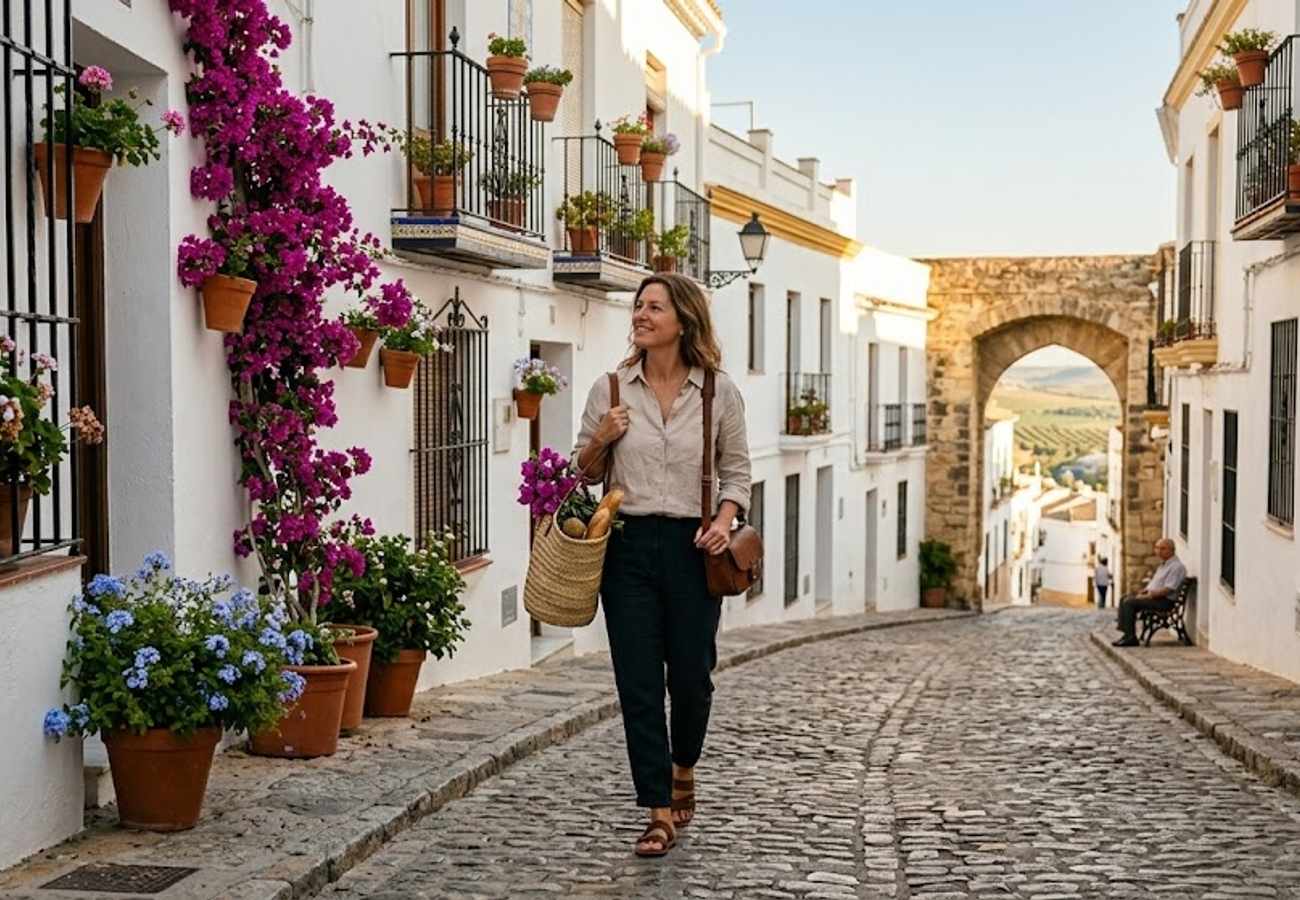
Image generated by AI
A 15% surge in Canadian arrivals has positioned Spain as the dominant force in the European travel market for 2026. This shift marks a definitive move away from traditional North American circuits toward extended Mediterranean stays.
The paradigm of Canadian international travel is undergoing a significant correction. While domestic and US-based travel trends have weakened, Europe has become the primary beneficiary. Specifically, Spain has outpaced traditional competitors like Portugal and Italy by leveraging a combination of affordability, diverse geography, and an infrastructure capable of supporting the "slow travel" movement.
The Mediterranean Shift: Why Spain is Winning
The current trend reveals that Canadian travelers are no longer satisfied with checklist tourism. There is a documented move toward longer stays and deeper cultural immersion. Spain’s success lies in its ability to offer a multi-faceted itinerary within a single border—combining urban sophistication, coastal relaxation, and rural exploration.
The demand is concentrated across several key hubs:
- Barcelona & Madrid: High-density urban tourism focused on architecture and world-class museums.
- The Balearic Islands: Premium Mediterranean escapes, specifically Mallorca.
- The Canary Islands: A critical driver for winter sun escapes, extending Spain's tourism season year-round.
- Andalusia: A growing interest in authentic heritage and inland landscapes.
By promoting destinations beyond the coastal hotspots, Spain is successfully redirecting traffic toward rural regions and smaller cities, aligning with the Canadian preference for meaningful, community-based experiences.
Comparative European Market Dynamics
While Spain leads the surge, other European markets are adapting their strategies to capture the Canadian demographic. The following table outlines the current competitive landscape for Canadian tourism in 2026:
| Destination | Primary Attraction for Canadians | Core Tourism Strength |
|---|---|---|
| Spain | Mediterranean escapes, food tourism, longer stays | Year-round accessibility & diversity |
| Portugal | Coastal tourism, lifestyle-driven long stays | High value & relaxed atmosphere |
| Italy | Regional journeys, luxury, ancient heritage | Premium cultural experiences |
| France | Gastronomy, luxury shopping, regional wine routes | Global prestige & lifestyle |
| Greece | Island hopping, boutique stays, cruise tourism | Scenic landscapes & history |
| UK | Family heritage, Scottish highlands, London hubs | Language & cultural connection |
| Switzerland | Alpine resorts, luxury rail, adventure travel | Nature-centric premium travel |
| Germany | Cultural events, connectivity, historic towns | Strategic gateway access |
| Netherlands | Urban museum breaks, canal experiences | High-efficiency city tourism |
| Croatia | Adriatic coastline, authentic alternatives | Value-driven authenticity |
Cultural and Environmental Value
For the visitor, the real impact of this trend is the transition from "sightseeing" to "living." The shift toward slow travel supports regional heritage by distributing tourist spending away from saturated city centers and into the hands of local artisans and rural guesthouses.
This movement is supported by regional conservation bodies and local tourism departments that are now prioritizing sustainable growth over raw passenger volume. By encouraging Canadians to explore the inland regions of Andalusia or the quieter corners of the Balearics, Spain is mitigating the environmental pressure on its most famous landmarks.
Visitor Insider Tips
To navigate this surge and find the most authentic experiences, travelers should consider the following:
- The "Mid-Season" Window: Avoid the July-August peak. The best value and most authentic atmosphere are found in May-June and September-October, when the Mediterranean heat is manageable and crowds thin.
- Gastronomic Etiquette: In rural Spain, lunch is the main meal of the day (usually between 2:00 PM and 4:00 PM). Many local eateries close in the mid-afternoon; plan your dining around the siesta to avoid disappointment.
- Hidden Spot: Move beyond Barcelona and Madrid to visit the White Villages (Pueblos Blancos) of Andalusia for a true glimpse of traditional Spanish architecture and community life.
- Transport: Utilize the high-speed AVE train network for inter-city travel to reduce your carbon footprint and avoid the stress of regional airports.
Tourism Outlook
The long-term trajectory suggests that Canada will remain a high-value source market for Europe. The current 15% surge is not a temporary spike but a structural change in how North Americans perceive value—prioritizing quality of experience over quantity of destinations. As Spain continues to diversify its offerings beyond the beach, it is likely to maintain its lead, provided it can balance this growth with sustainable infrastructure.
The Mediterranean is no longer just a summer destination; it is becoming a lifestyle choice for the modern global nomad.
Related Travel Guides
Disclaimer
This article is for informational and educational purposes only. It does not constitute legal, financial, or professional advice. While we strive to provide accurate and up-to-date information, travel policies, regulations, and conditions change rapidly. Always verify information with official sources before making travel decisions. Nomad Lawyer makes no representations about the accuracy, reliability, completeness, or suitability of the information provided. Readers should consult qualified professionals for advice specific to their circumstances. The views expressed in this article are those of the author and do not necessarily reflect the views of Nomad Lawyer.