
Spain Total Solar Eclipse Travel Guide and Safe Viewing Recommendations
A historic total solar eclipse sweeps Spain on August 12, 2026. Get essential travel guidelines, transit tips, and safe indirect viewing alternatives.

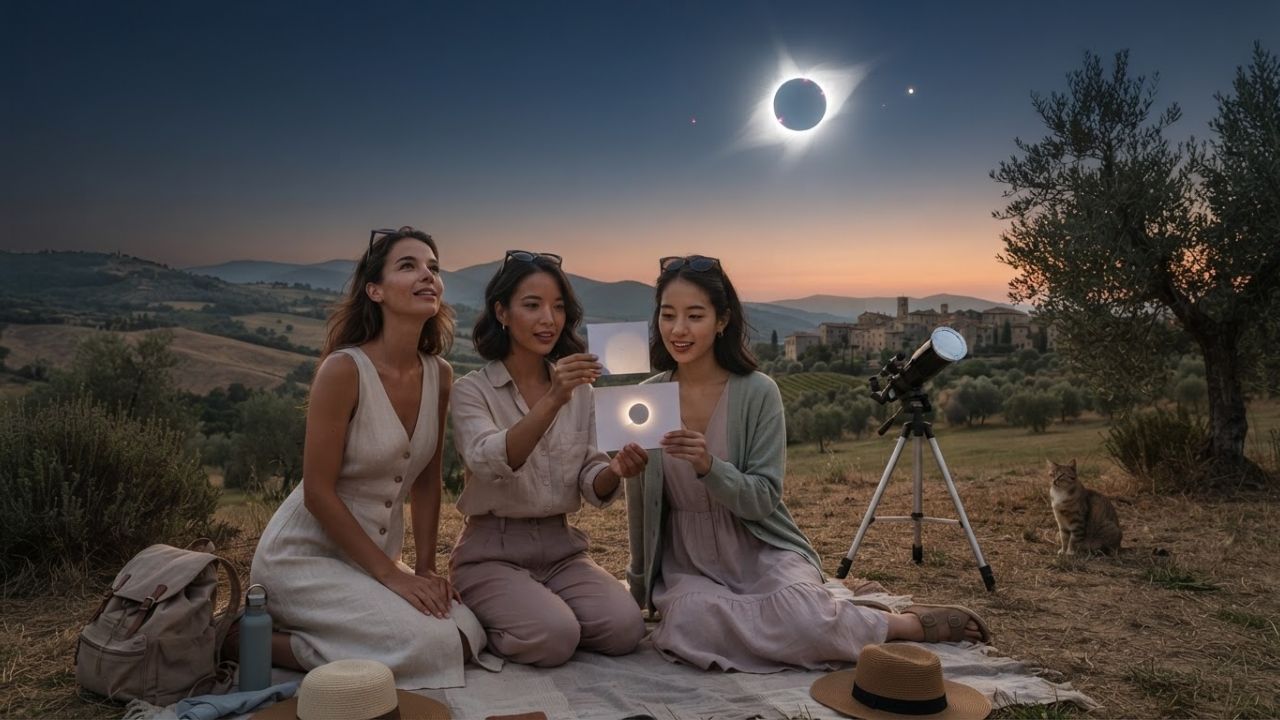
Image generated by AI
A historic total solar eclipse on August 12, 2026—the first visible in mainland Europe since 1999—is drawing millions of travelers to Spain, prompting local authorities to implement strict transit controls and warning of a widespread shortage of certified viewing glasses.
Epic Celestial Event Puts Spain at the Center of Astro-Tourism
A wave of anticipation is sweeping through the international travel and scientific communities. The total solar eclipse on August 12, 2026 represents a historic milestone, marking the first time the path of totality has crossed mainland Europe in over a quarter-century. Much of Spain sits directly under this path, positioning the country as the primary global hub for eclipse chasers, astronomy enthusiasts, and scientists.
This surge in interest has created challenges. Retailers and online distributors report that certified solar eclipse glasses are completely sold out. This scarcity has forced observers to reconsider how they can safely view the event. In response, municipal authorities and astronomical associations are shifting their focus to public safety education, emphasizing indirect viewing methods and setting up managed observation zones, a situation that calls for similar coordination as seen during other weather-induced travel delays.
Practical Instructions for Safe Indirect Viewing
With certified protective eyewear unavailable, medical and scientific organizations emphasize that looking directly at the sun during the partial phases of the eclipse can cause permanent retinal damage. Standard sunglasses do not provide sufficient protection. To ensure safe viewing, observers should utilize indirect projection methods:
- DIY Pinhole Projector: Construct a simple projector using two sheets of white cardboard. Punch a small, clean hole in the center of one sheet. With your back to the sun, hold the pinhole card up, allowing the sunlight to pass through the hole and project a sharp image of the crescent sun onto the second card.
- Kitchen Colander Projection: Use a standard household kitchen colander. Hold it above the ground with your back to the sun; the multiple holes will project a grid of crescent-shaped light patterns onto the flat surface below.
- Optical Safety: Never look through cameras, smartphones, binoculars, or telescopes without specialized solar filters. Using these devices without certified filters will instantly destroy the optical sensors and cause severe eye injury.
- Sun Protection: August in Spain brings high temperatures. Observers should stay hydrated, wear wide-brimmed hats, and apply sunscreen, especially when waiting in open viewing areas.
Logistics, Traffic Mitigation, and Environmental Conservation
The massive influx of visitors is expected to put significant strain on local transportation networks and infrastructure, particularly in rural areas. Regional authorities are implementing coordinated transit plans to manage the crowds:
- Transit Restrictions: Major road closures will affect primary viewing corridors. Visitors are advised to travel well in advance and use regional trains or local shuttle services rather than private vehicles.
- Infrastructure Limits: Rural viewing locations may face facility shortages. Travelers should self-source essentials, including water and food, to avoid putting pressure on small communities, matching strategies in our sustainable regional travel models.
- Waste Management: Municipalities are coordinating waste cleanup and landscape preservation efforts. Travelers are expected to practice pack-in, pack-out principles to protect fragile natural environments.
- Managed Zones: Cities are designating official observation fields with public safety monitoring. Observers should consult regional maps to find these monitored areas.
Travel Advice for International Visitors
To avoid the worst of the crowds and ensure a smooth experience, international travelers should plan their itineraries carefully. Popular coastal areas and major cities will experience severe congestion. Seeking out smaller, historic towns along the path of totality, such as those in the Teruel or Burgos provinces, can provide a more relaxed viewing environment while supporting rural guest houses and local eateries.
Travelers should also monitor weather forecasts. While summer in Spain generally offers clear skies, regional coastal microclimates can introduce afternoon cloud cover. Having a flexible itinerary and utilizing public transit will allow observers to adjust their positions if local cloud cover threatens to obscure the view, a helpful precaution during European heatwave travel alerts.
The Growth of Astro-Tourism in Southern Europe
The 2026 eclipse highlights the growing popularity of astro-tourism, where travelers plan journeys around celestial events, dark sky reserves, and stargazing. This trend provides a significant economic boost to rural regions that are often overlooked by traditional tourism.
As municipalities invest in dark sky preservation and astronomical infrastructure, the benefits of the eclipse will extend beyond a single day. By establishing Spain as a premier destination for scientific and nature-based travel, the event is helping to build a more resilient, year-round visitor economy.
FAQ: Spain Solar Eclipse Travel 2026
When and where is the total solar eclipse visible?
The total solar eclipse will take place on August 12, 2026. The path of totality will cross northern and central Spain, offering brief periods of daytime darkness in specific regions.
Can I use regular sunglasses to view the solar eclipse?
No. Standard sunglasses do not filter out the harmful solar radiation that causes retinal damage. Only use certified ISO 12312-2 filters, or utilize indirect projection methods like a pinhole card.
What should I do if solar eclipse glasses are sold out?
You can build a DIY pinhole projector using cardboard, or use a kitchen colander to project the sun's image onto a flat surface. This allows you to safely observe the eclipse without looking directly at the sun.
Related Travel Guides
US Flight Delays and Cancellations: Storms and Ground Stops
Slow Food Trails Redefine Rural Tourism Beyond Crowded Cities
European Heatwave Travel Disruption London Berlin Paris Madrid
Disclaimer
This article is for informational and educational purposes only. It does not constitute legal, financial, or professional advice. While we strive to provide accurate and up-to-date information, travel policies, regulations, and conditions change rapidly. Always verify information with official sources before making travel decisions. Nomad Lawyer makes no representations about the accuracy, reliability, completeness, or suitability of the information provided. Readers should consult qualified professionals for advice specific to their circumstances. The views expressed in this article are those of the author and do not necessarily reflect the views of Nomad Lawyer.
Raushan Kumar
Founder & Lead Developer
Full-stack developer with 11+ years of experience and a passionate traveller. Raushan built Nomad Lawyer from the ground up with a vision to create the best travel and law experience on the web.
Learn more about our team →