
Sikkim Travel Chaos: Heavy Rainfall Triggers Road Closures, Landslides Strand Thousands of Tourists Across Gangtok, North Sikkim Districts
Heavy rainfall across Sikkim triggers travel disruption with road closures, landslides, and widespread advisories. Thousands of tourists stranded as authorities warn of dangerous conditions.

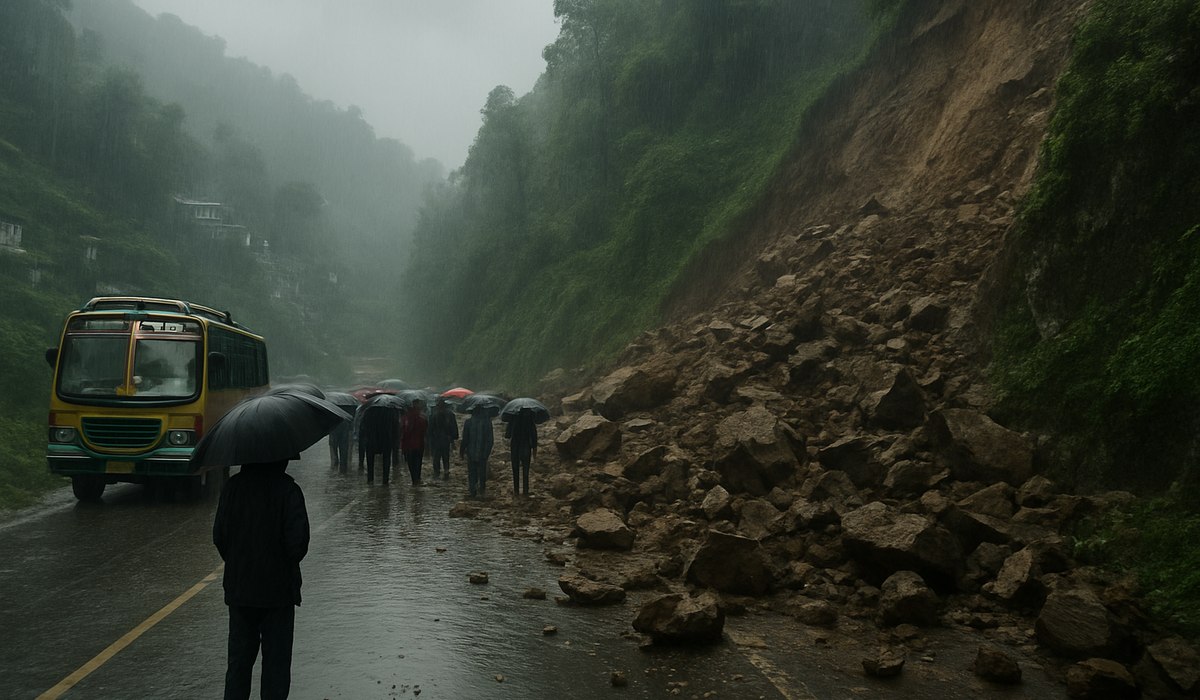
Image generated by AI
The Indian Himalayan state of Sikkim is facing a severe travel disruption crisis as persistent heavy rainfall and dangerous weather conditions have forced authorities to issue widespread travel warnings and advisories across multiple districts. As of early April 2026, the India Meteorological Department (IMD) has issued critical weather bulletins forecasting continued rainfall activity, thunderstorms, lightning, and gusty winds that have already triggered multiple road closures, landslides, and infrastructure damage affecting thousands of tourists and residents attempting to navigate the region's mountain passes and scenic routes.
The travel nightmare unfolding across Sikkim's key tourism corridors has created a cascading disruption affecting connectivity in North Sikkim, where critical mountain roads and high-altitude passes have been rendered unsafe or completely blocked. The most severe impact has been documented along the Lachen road near Tarum Chu, where continuous rainfall has washed away road bases and caused catastrophic washouts, forcing the Border Roads Organisation (BRO) to initiate emergency restoration work that officials estimate may take several days to complete. Additional landslides and mudslides have been reported near Chungthang–Lachen and Lachung, further isolating popular tourism destinations and creating a domino effect of travel cancellations and delayed itineraries across the region. The District Administration of Mangan has issued explicit advisories urging all travellers and tourists in affected areas to remain in place and avoid unnecessary movement until weather conditions improve and roads are cleared for safe passage.
The weather disruption is particularly devastating for Sikkim's tourism sector, which thrives on adventure tourism, high-altitude trekking, and visits to iconic destinations including Nathula Pass, Tsomgo Lake, Gurudongmar Lake, and the scenic routes connecting Gangtok, East Sikkim, and South Sikkim districts. Popular tourist transit points and high-altitude tourism sites are now either completely inaccessible or surrounded by official travel advisories warning against non-essential movement. The India Meteorological Department has specifically identified districts such as Gangtok, Mangan, Gyalshing, Namchi, Pakyong, and Soreng as zones experiencing isolated heavy rainfall, with forecasts warning of localized flooding, road blockages, and reduced visibility that pose significant risks to travellers attempting to navigate mountain terrain. According to the IMD's official weather bulletins, these conditions are largely attributed to monsoon patterns and western disturbances coupled with moisture influx from the Bay of Bengal, creating the perfect meteorological conditions for rapid water accumulation and slope instability.
The Sikkim Tourism Department and local authorities have implemented comprehensive passenger safety measures in coordination with disaster management units, emphasizing that both tourists and residents must avoid travel along vulnerable mountain routes, check weather forecasts and road condition updates regularly, and remain in safe shelters during intense storms. Tourism stakeholders are advising visitors to adjust their itineraries during this adverse weather period and to prioritize safety above sightseeing schedules, with recommendations to utilize services from local travel agents and guided tours that can provide real-time information and logistical support. Tourists are being strongly encouraged to avoid solitary hikes, travel only with local guidance, and carry essential items including water, warm clothing, and emergency contact information at all times. The Sikkim Tourism Department has coordinated with the India Meteorological Department to ensure that evacuation plans are initiated only when weather permits and roads are officially cleared for safe passage.
The broader implications of this travel disruption extend beyond Sikkim's borders, as the region serves as a critical transit point for tourists heading to northeastern India and connecting to international destinations. The cascading effect of road closures and travel advisories has created uncertainty for tour operators, hospitality businesses, and transportation providers across the state, with many establishments implementing flexible cancellation policies and rebooking options for affected guests. According to official government advisories and weather monitoring agencies, the situation remains fluid, with continuous updates expected as the IMD monitors rainfall patterns and the BRO assesses infrastructure damage across North Sikkim's critical routes.
What Travelers Should Do: If you have planned travel to Sikkim, particularly to North Sikkim, Gangtok, or high-altitude destinations, contact your tour operator or hotel immediately to assess current conditions and consider postponing your visit until the India Meteorological Department issues an all-clear advisory. Monitor official weather updates from the IMD's official website and follow guidance from the District Administration of Mangan and local authorities before attempting any travel through affected areas. Ensure your travel insurance covers weather-related disruptions and maintain emergency contact information for local authorities and your embassy if you are an international traveler currently in the region.
Related Travel Guides
Disclaimer
This article is for informational and educational purposes only. It does not constitute legal, financial, or professional advice. While we strive to provide accurate and up-to-date information, travel policies, regulations, and conditions change rapidly. Always verify information with official sources before making travel decisions. Nomad Lawyer makes no representations about the accuracy, reliability, completeness, or suitability of the information provided. Readers should consult qualified professionals for advice specific to their circumstances. The views expressed in this article are those of the author and do not necessarily reflect the views of Nomad Lawyer.
Raushan Kumar
Founder & Lead Developer
Full-stack developer with 11+ years of experience and a passionate traveller. Raushan built Nomad Lawyer from the ground up with a vision to create the best travel and law experience on the web.
Learn more about our team →