
Sochi Airport Restricts Aircraft Refueling Following Oil Depot Fire and Airspace Disruptions
Sochi International Airport has restricted aircraft refueling exclusively to LUKOIL LLC after an oil depot fire triggered temporary flight suspensions and delays across Krasnodar Krai.

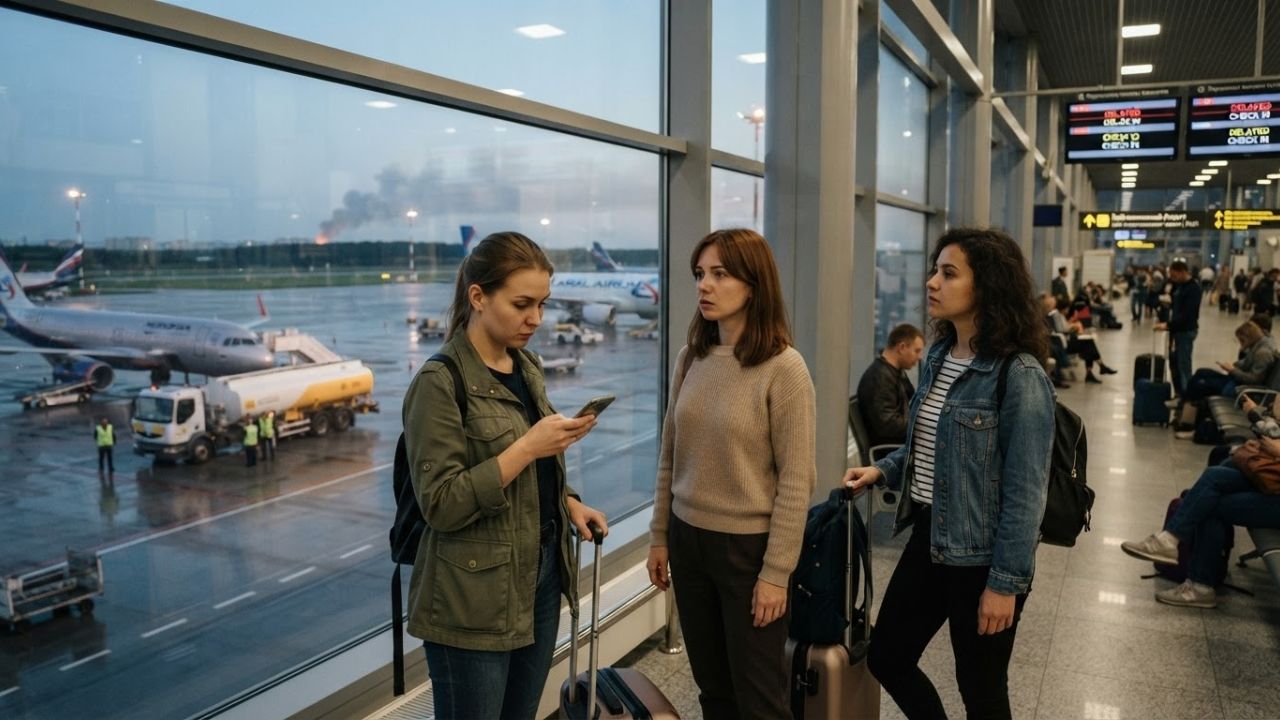
Image generated by AI
Sochi International Airport has imposed emergency aircraft refueling restrictions following a nighttime oil depot fire near the airfield, restricting fuel access exclusively to LUKOIL LLC and triggering rolling flight delays, cancellations, and arrival holds across southern Russia.
The operational disruption began early on September 5, 2026, after emergency services responded to blazes at fuel storage facilities in the Sochi area of Krasnodar Krai. Russian civil aviation authorities issued a formal Notice to Air Missions (NOTAM) mandating that all commercial carriers operating through Sochi International Airport (AER) secure and verify fuel supplies exclusively through LUKOIL LLC prior to flight dispatch. With aviation fuel distribution constrained, airlines face severe scheduling adjustments, passenger delays, and intermittent ground stops across one of Russia’s primary Black Sea transit hubs.
The Local Trend Revealed: NOTAM Mandate Restricts Fueling to LUKOIL LLC
The sudden restriction highlights the acute operational vulnerability of aviation infrastructure during regional emergency incidents. Sochi International Airport serves as the principal gateway to the Black Sea coast and the Caucasus alpine resorts of Krasnaya Polyana, handling thousands of leisure travelers and business passengers daily.
Under standard conditions, commercial airlines utilize diverse fueling arrangements to maintain brisk turnaround times on the apron. However, the overnight fire at local oil storage facilities disrupted standard supply lines, prompting immediate regulatory intervention:
- Single-Supplier Mandate: Under the NOTAM, aircraft refueling services at the airport are restricted exclusively to LUKOIL LLC.
- Pre-Departure Fuel Verification: Operating airlines must verify and confirm fuel availability with the designated supplier before dispatching aircraft to or from Sochi.
- Intermittent Movement Holds: The Federal Air Transport Agency (Rosaviatsiya) introduced temporary arrival and departure holds, adjusting flight movements dynamically based on tarmac safety assessments.
- Flight Cancellations and Rescheduling: With fueling logistics restricted to a single channel, airlines experienced cascading delays and selective flight cancellations to prevent aircraft from becoming stranded on the tarmac.
Sochi Airport Incident Profile & Operational Metrics
| Disruption Parameter | Official Operational Status | Passenger Impact & Advisory |
|---|---|---|
| Airport Facility | Sochi International Airport (AER) | Adler District, Sochi, Krasnodar Krai |
| Incident Trigger | Nighttime attack causing oil depot fire | Specialized fire crews deployed to contain fuel depot blaze |
| Regulatory Notification | Aviation NOTAM issued | Mandatory fuel pre-confirmation before flight departure |
| Authorized Fuel Supplier | LUKOIL LLC (exclusive operator) | Alternate fuel distribution channels temporarily suspended |
| Aviation Authority Oversight | Federal Air Transport Agency (Rosaviatsiya) | Active monitoring, temporary movement limits imposed and lifted |
| Operational Consequence | Flight delays, rescheduling, select cancellations | Extended waiting times; rebooking required for cancelled flights |
| Facility Status | Open under safety restrictions | Not permanently closed; operational flow adjusted dynamically |
Supply Chain Realities: Why Aviation Fuel Logistics Govern Airfield Operations
Aviation kerosene supply chains form the lifeblood of airport functionality. While runways, taxiways, and terminal concourses remain physically intact, an interruption in fuel delivery immediately compromises an airline's ability to maintain flight schedules.
Jetliners cannot legally depart without specific minimum fuel reserves calculated under strict aviation safety regulations. These include taxi fuel, trip fuel, alternate destination diversion fuel, and a mandatory 30-to-45-minute contingency holding reserve. When fuel pumping is restricted to a single provider:
- Apron Bottlenecks: Ground service bowsers and hydrant dispensers experience extended turnaround times between aircraft stands, slowing routine 40-minute turns into multi-hour waits.
- Weight and Balance Adjustments: Carriers unable to guarantee rapid turnaround refueling in Sochi must consider tankering—carrying extra return fuel on inbound flights—which increases aircraft gross weight and burns additional fuel en route.
- Network Knock-On Effects: Inbound aircraft held at origins or diverted to alternative gateways like Mineralnye Vody (MRV) or Stavropol (STW) displace crews and aircraft rotations throughout domestic flight networks.
Cultural & Environmental Value: Ecological Monitoring and Transit Resilience
Sochi occupies a sensitive ecological position between the Black Sea shoreline and the protected biosphere reserves of Sochi National Park and the Western Caucasus. Managing emergency fuel incidents requires stringent coordination between aviation regulators and environmental protection services.
Regional emergency personnel and Krasnodar Krai environmental monitoring teams established containment protocols to prevent hydrocarbon runoff from reaching nearby waterways, including the Mzymta River basin that empties into the Black Sea adjacent to the airport perimeter. By concentrating all fueling operations under LUKOIL LLC’s inspected infrastructure, airport authorities established controlled oversight to maintain safety and minimize hazardous environmental risks.
Simultaneously, travelers caught in flight interruptions are shifting toward low-emission electric surface transit to navigate the region. The electrified Lastochka high-speed rail network links the airport's integrated rail terminal with Adler, Sochi Central, and the mountain cluster at Rosa Khutor, providing a dependable, eco-conscious overland alternative while flight schedules normalize.
Visitor Insider Tips: Navigating Sochi Travel Disruptions
Travelers facing delays or schedule changes at Sochi International Airport can protect their itineraries and comfort by utilizing local logistics strategies:
- Board the Lastochka Electric Train: If your inbound flight is delayed or you need to transit between the airport and Sochi city center, avoid hailing roadway taxis along the congested Kurortny Prospekt. Take the Lastochka electric express train directly from the Sochi Airport railway platform. Trains reach central Sochi in 45 minutes and Krasnaya Polyana in under an hour, offering comfortable seating and scenic views for a fraction of private taxi fares.
- Know Your Passenger Rights Under FAP-82: Russian Federal Aviation Regulations (FAP-82) require airlines to provide specific passenger amenities regardless of whether delays stem from operational or weather disruptions. After 2 hours of delay, passengers are entitled to two phone calls or emails plus complimentary soft drinks. After 4 hours, the carrier must provide a hot meal. If delays extend beyond 8 hours during the day (or 6 hours at night), the airline must arrange free hotel lodging with complimentary ground transfers and baggage storage.
- Confirm Departure Before Heading to Adler: Do not travel to the airport terminal on previous schedules without verifying that your inbound aircraft is airborne. Use official airline mobile apps and the Sochi Airport live flight information display system (FIDS) to confirm that fuel clearance has been granted for your specific flight number.
- Savor Local Caucasian Cuisine Near the Coast: If your departure faces a prolonged daytime delay, leave your heavy luggage at the terminal storage lockers and take a short 10-minute ride to the Adler seaside promenade. Sample authentic regional specialties such as freshly baked Adjarian khachapuri (cheese boat bread topped with butter and egg), pan-fried Black Sea barabulka (red mullet), or wood-fired lamb shashlik seasoned with Caucasian mountain herbs at open-air coastal cafes.
- Identify Quiet Terminal Zones: The main terminal concourse at Adler can become loud during irregular operations. Head to the second-floor departure gallery near the eastern wing for quieter gate seating, accessible charging stations, and views of the Caucasus mountain ridge.
Tourism Outlook: Operational Adaptation in the Black Sea Hub
The temporary fueling constraints at Sochi International Airport emphasize the resilience demanded of modern travel hubs facing unexpected external disruptions. While the Federal Air Transport Agency (Rosaviatsiya) continues to evaluate conditions and adjust movement regulations, collaborative management between airport operators, municipal authorities, and fuel distributors ensures passenger safety remains paramount.
For travelers, navigating unpredictable operational environments requires proactive schedule monitoring, a clear understanding of regulatory protections, and flexibility to embrace regional rail alternatives. As ground operations stabilize, Sochi continues to welcome visitors to its subtropical coastline and alpine resorts, backed by comprehensive safety protocols that safeguard both passenger journeys and the surrounding coastal environment.
Related Travel Guides
Disclaimer
This article is for informational and educational purposes only. It does not constitute legal, financial, or professional advice. While we strive to provide accurate and up-to-date information, travel policies, regulations, and conditions change rapidly. Always verify information with official sources before making travel decisions. Nomad Lawyer makes no representations about the accuracy, reliability, completeness, or suitability of the information provided. Readers should consult qualified professionals for advice specific to their circumstances. The views expressed in this article are those of the author and do not necessarily reflect the views of Nomad Lawyer.
Naina Thakur
Contributor & Travel Specialist
Travel enthusiast and legal writer covering visa regulations, responsible tourism, and cultural journeys across global destinations.
Learn more about our team →