
Spain, Romania, and Balkans Emerge as Top Offbeat Summer Travel Destinations in 2026
Travelers are abandoning overcrowded Mediterranean hubs for budget-friendly, quiet tourism in Spain's north, Romania, Bulgaria, Montenegro, and Slovenia in 2026.

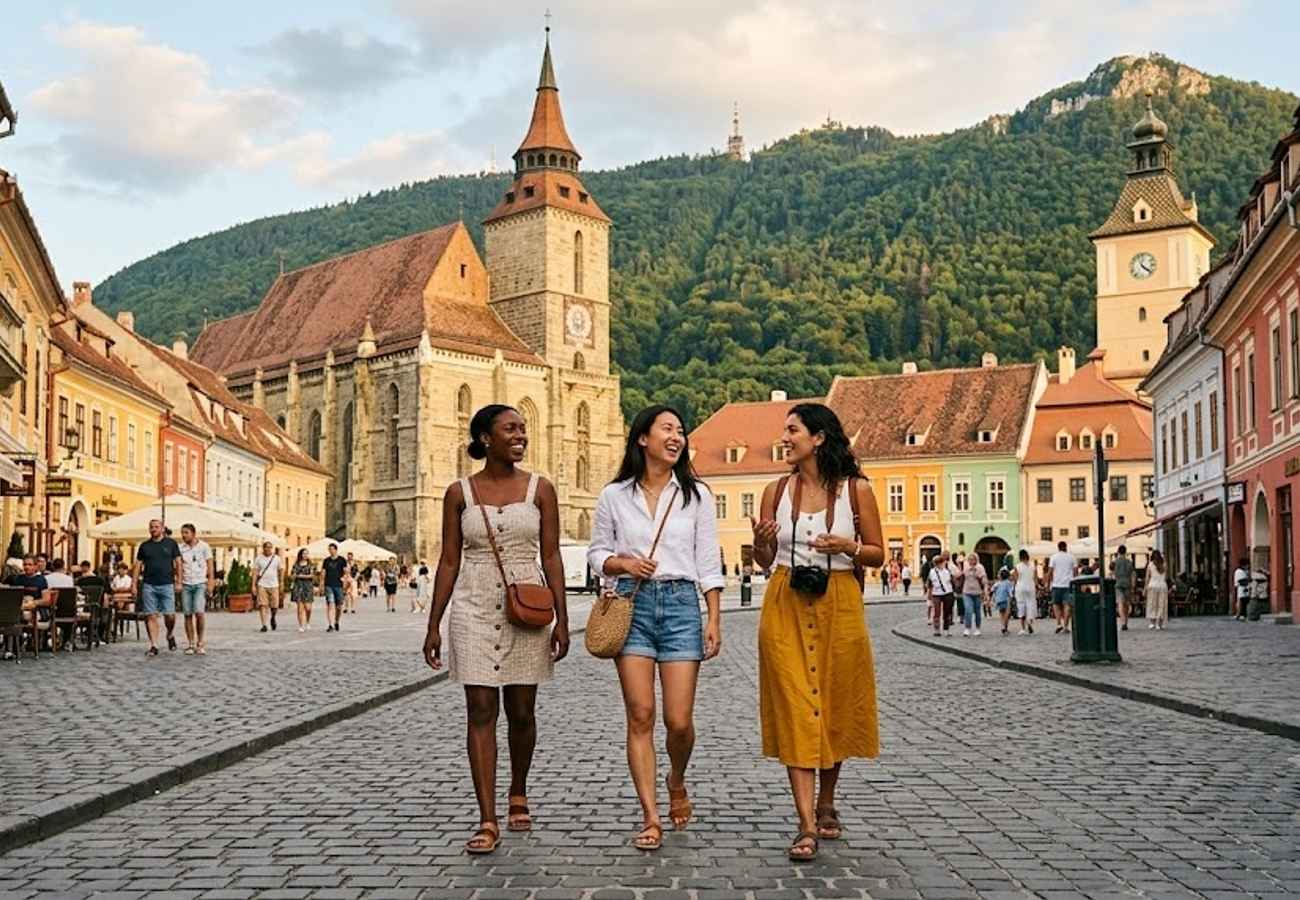
Image generated by AI
Rising costs and extreme overcrowding in traditional Mediterranean hotspots have triggered a migration toward "quiet tourism." In 2026, travelers are pivoting toward Spain’s northern coast, Romania, Bulgaria, Montenegro, and Slovenia to find budget-friendly experiences and world-class regional cuisine.
The era of spending €400 per night for basic lodging in Santorini or enduring three-hour museum queues in Paris is losing its appeal. Market data indicates a structural shift in how tourists navigate the continent. Spain’s Ministry of Industry and Tourism estimates foreign visitors will spend approximately €64 billion during the summer season, but this capital is no longer concentrated in a few hubs. Under the national Spain Tourism Strategy 2030, spending is dispersing toward rural interior zones and northern Atlantic estuaries.
Our analysis of current travel patterns shows a clear preference for value over volume. This is driven by three primary factors: the pursuit of cooler microclimates to avoid Mediterranean heatwaves, the high purchasing power available in Eastern Europe, and strategic government policies designed to combat overtourism.
Regional Breakdown: Costs and Key Experiences
Galicia and the Costa da Morte, Spain
Galicia serves as a green, temperate alternative to the scorched southern provinces. The Costa da Morte is defined by granite cliffs and a seafood culture that remains remarkably affordable.
- The Value Proposition: Many local bars still provide complimentary tapas with a €3 glass of Albariño wine.
- Accommodation: Pilgrim albergues (€12–€18/night); mid-range guesthouses (€45–€70/night).
- Dining: Menú del día (€12–€15); boiled octopus/polbo á feira (€10–€14).
- Logistics: Regional train from Santiago to A Coruña (€5–€9); Cathedral entry is free.
- Top Activities: Hiking the Camiño dos Faros, exploring Muxía, and visiting Lugo’s walled city.
Brașov and the Transylvanian Alps, Romania
Data from the National Institute of Statistics (INS) shows a growing share of foreign tourist nights in Transylvania’s mountain regions, where August temperatures often drop to a pleasant 15–18°C (60s Fahrenheit).
- The Value Proposition: High-quality cultural immersion at a fraction of Western European costs.
- Accommodation: Hostels (€10–€15/night); Old Town family guesthouses (€35–€55/night).
- Dining: Traditional sarmale with polenta (€8–€12); local draft beer (€2).
- Logistics: Bran Castle admission (
€24/120 RON); Black Church entry (€3/15 RON); Tâmpa Cable Car (€6); city bus (€0.50). - Top Activities: Zărnești Gorge hiking and early-morning visits to Bran Castle.
Ulcinj Riviera, Montenegro
Avoiding the cruise crowds of Kotor, Ulcinj offers a blend of Ottoman architecture and the 12-kilometer Velika Plaža beach.
- The Value Proposition: Massive beach spans that eliminate the "shoulder-to-shoulder" experience found in Italy or Croatia.
- Accommodation: Beachside apartments/sobe (€20–€40/night); 3-star hotels (€45–€70/night).
- Dining: Seafood platter for two (€22–€30); Vranac wine glass (€3); Turkish coffee (€1.50).
- Logistics: Sunbed and umbrella rental (€8–€12); Citadel Museum (€2.50); beach shuttle (€1.50).
- Top Activities: Kitesurfing at Velika Plaža and visiting the Solana Salt Pans.
Plovdiv, Bulgaria
The National Statistical Institute (NSI) reports a 3.2% year-over-year increase in international leisure arrivals to Plovdiv, driven by the city's status as one of the world's oldest continuously inhabited settlements.
- The Value Proposition: A creative hub in the Kapana district focusing on "slow food" and craft microbreweries.
- Culinary Highlights: Tarator (cold cucumber-walnut soup), shopska salads, and Thracian rosé.
- Accommodation: Hostels (€10–€14/night); boutique Old Town guesthouses.
Summer 2026 Budget Comparison
| Destination | Avg. Daily Budget | Mid-Range Hotel (Night) | Local Beer/Wine | Primary Appeal |
|---|---|---|---|---|
| Galicia, Spain | €40–€80 | €45–€70 | €3 | Seafood & Atlantic Coast |
| Brașov, Romania | €35–€65 | €35–€55 | €2 | Alpine Forests & Medieval History |
| Ulcinj, Montenegro | €35–€70 | €45–€70 | €3 | Wide Beaches & Ottoman Culture |
| Plovdiv, Bulgaria | €35–€65 | €10–€40 | €2 | Ancient Ruins & Creative Districts |
Why This Matters: The Logistics of "Quiet Tourism"
From a logistical perspective, this shift represents a move from "trophy travel"—visiting famous landmarks for social currency—to "experiential travel." For the traveler, the real impact is the restoration of the price-to-quality ratio. When a three-course seafood lunch in Spain costs €14, the economic incentive to avoid the "tourist traps" of the south becomes overwhelming.
Industry observers note that this is not merely a trend but a response to macroeconomic pressure. Daily budgets in Eastern Europe are currently less than half of those found in major Western capitals. Furthermore, as climate change makes southern Europe increasingly inhospitable in July and August, the "Northern Drift" toward Galicia and the Carpathians will likely become a permanent fixture of the European summer map.
Industry Outlook
Expect national tourism boards to further incentivize "geographic spread." Turespaña and similar bodies in the Balkans are moving away from raw headcount metrics and toward "quality of spend" and "distribution of impact." In the coming seasons, we anticipate more direct flight connectivity to secondary airports in northern Spain and the Balkans as airlines pivot to meet this demand for offbeat destinations.
The era of the overcrowded cobblestone alley is ending; the era of the undiscovered estuary has arrived.
Related Travel Guides
Disclaimer
This article is for informational and educational purposes only. It does not constitute legal, financial, or professional advice. While we strive to provide accurate and up-to-date information, travel policies, regulations, and conditions change rapidly. Always verify information with official sources before making travel decisions. Nomad Lawyer makes no representations about the accuracy, reliability, completeness, or suitability of the information provided. Readers should consult qualified professionals for advice specific to their circumstances. The views expressed in this article are those of the author and do not necessarily reflect the views of Nomad Lawyer.
Kunal K Choudhary
Co-Founder & Contributor
A passionate traveller and tech enthusiast. Kunal contributes to the vision and growth of Nomad Lawyer, bringing fresh perspectives and driving the community forward.
Learn more about our team →