
Southwest Louisiana Tourism Strategy 2026: 91% of Residents Back Bold Regional Growth
A landmark community study reveals that 91% of Southwest Louisiana residents support tourism expansion, positioning Lake Charles as a primary hub for authentic Cajun and Creole travel in 2026.

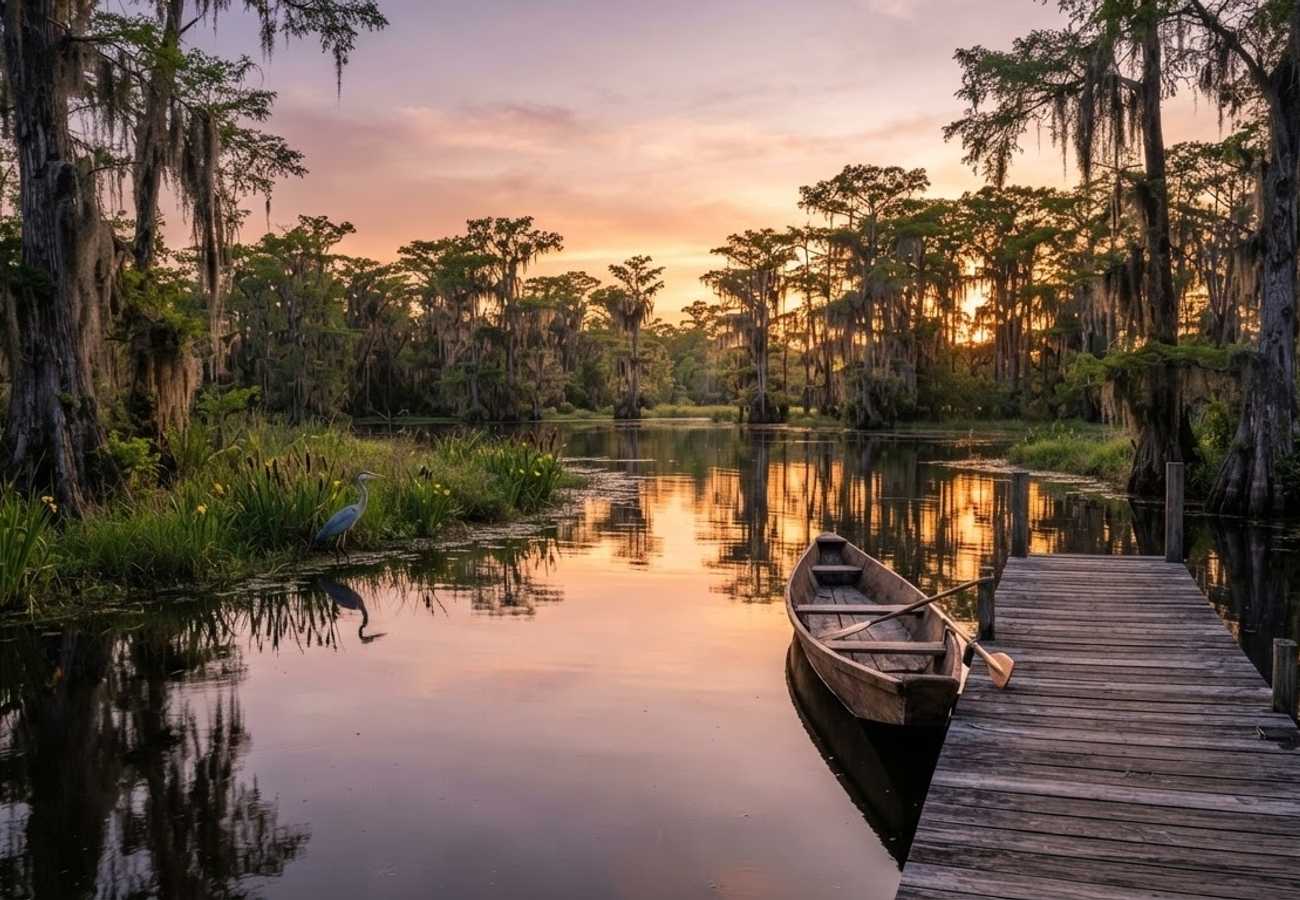
Image generated by AI
Southwest Louisiana is pivoting toward an aggressive tourism expansion strategy following a community perception study that confirms overwhelming local endorsement. Data indicates that 91% of residents view tourism as a positive force for the Lake Charles area, signaling a shift in how the region leverages its cultural and natural assets for economic gain.
The research marks a transition in regional sentiment. Tourism is no longer categorized merely as a service for outsiders but is now recognized as a primary engine for local employment and business scalability. This level of public alignment is a critical prerequisite for destination growth, ensuring that expansion does not clash with local identity or cultural authenticity.
Regional Growth Drivers and Assets
Lake Charles has emerged as the strategic gateway for this expansion. The region is targeting a specific segment of the travel market: those seeking "authentic" experiences beyond the traditional, high-traffic Louisiana corridors.
Our analysis of the region's value proposition identifies three primary pillars driving this demand:
- Eco-Tourism and Nature: High demand for coastal landscape exploration, birdwatching, boating, and wildlife habitats within the region's extensive wetlands.
- Culinary Heritage: A focused push on Cajun and Creole seafood traditions and locally inspired gastronomy.
- Cultural Immersion: Leveraging music festivals, historic community sites, and traditional celebrations to attract longer-stay visitors.
Economic Impact and Local Integration
The surge in visitor numbers is projected to create a ripple effect across several local sectors. The demand is not limited to luxury hospitality but extends to small-scale entrepreneurs and service providers.
- Infrastructure Demand: Increased requirements for hotels, transportation services, and entertainment venues.
- Entrepreneurial Opportunity: New avenues for local artisans, craftspeople, and traditional food producers to reach a global audience.
- Employment Diversification: Job creation across the hospitality, retail, and recreation industries.
Strategic Framework for Sustainable Development
Despite the 91% approval rating, the regional strategy emphasizes "responsible tourism." This approach aims to prevent the pitfalls of mass tourism by focusing on infrastructure quality over raw volume.
The Louisiana Office of Tourism guidelines are being integrated into the local plan to ensure visitor growth protects the very resources—wetlands and cultural landmarks—that attract travelers. Priorities include enhancing visitor facilities and promoting lesser-known attractions to distribute the economic benefits across a wider geographic area.
Regional Tourism Sentiment Data
| Metric | Finding | Impact |
|---|---|---|
| Resident Approval Rate | 91% | High social license for infrastructure expansion |
| Primary Hub | Lake Charles | Centralized gateway for regional distribution |
| Core Attractions | Cajun/Creole Culture, Wetlands | Shift toward authenticity-based travel |
| Economic Focus | Small Business/Hospitality | Diversification of local employment |
Why This Matters
From a logistical and market perspective, the 91% resident support figure is the most significant data point. In many emerging destinations, "tourism friction"—where locals resent visitors due to rising costs or overcrowding—stifles growth. Southwest Louisiana has bypassed this hurdle.
For travelers, this means a more welcoming environment and a higher probability of encountering genuine local interactions rather than "tourist traps." From an industry standpoint, this creates a low-risk environment for investors in the hospitality and boutique hotel sectors. The region is not just selling a location; it is selling a community-backed experience, which is a powerful differentiator in the competitive 2026 US travel market.
Industry Outlook
Expect a shift toward higher-yield, lower-impact tourism. The focus will likely move away from day-trippers toward "slow travel" advocates who engage with the Cajun and Creole heritage over several days.
As the region implements its growth strategy, we anticipate an increase in specialized eco-tours and culinary circuits. The success of this model will depend on the region's ability to scale its infrastructure without eroding the "authentic" charm that currently drives its appeal.
Southwest Louisiana is successfully converting local pride into a scalable economic asset.
Related Travel Guides
Disclaimer
This article is for informational and educational purposes only. It does not constitute legal, financial, or professional advice. While we strive to provide accurate and up-to-date information, travel policies, regulations, and conditions change rapidly. Always verify information with official sources before making travel decisions. Nomad Lawyer makes no representations about the accuracy, reliability, completeness, or suitability of the information provided. Readers should consult qualified professionals for advice specific to their circumstances. The views expressed in this article are those of the author and do not necessarily reflect the views of Nomad Lawyer.
Kunal K Choudhary
Co-Founder & Contributor
A passionate traveller and tech enthusiast. Kunal contributes to the vision and growth of Nomad Lawyer, bringing fresh perspectives and driving the community forward.
Learn more about our team →