
India Must Move From Tourism Promotion to Destination Competitiveness
India shifts tourism strategy in 2026, pivoting from promotional campaigns to building world-class destinations. New infrastructure investments aim to enhance visitor experiences and boost foreign exchange earnings.

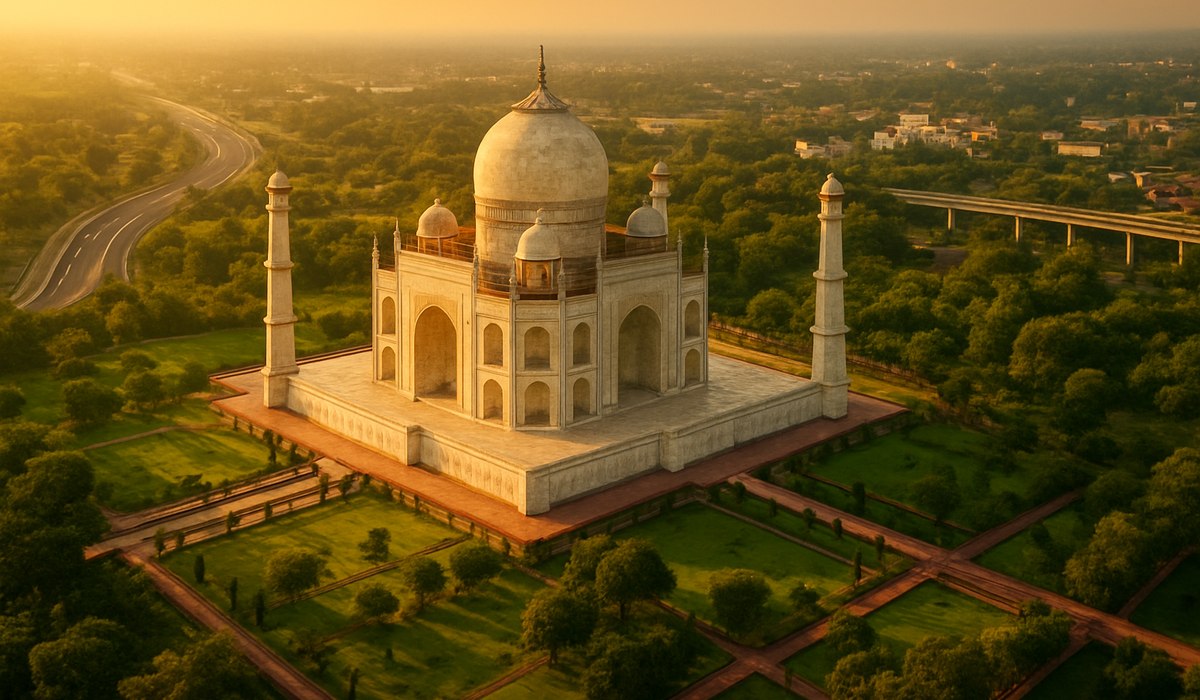
Image generated by AI
India Pivots Tourism Strategy: From Marketing to Destination Excellence
India is fundamentally reshaping its tourism approach, moving beyond traditional promotional campaigns toward building genuinely competitive, world-class destinations. This strategic pivot, unveiled at the Global Travel Market 2026, signals a decisive shift in how the nation positions itself in the international travel landscape. Rather than relying solely on marketing budgets, India now prioritizes infrastructure development, visitor experience enhancement, and sustainable tourism practices that attract discerning global travelers seeking authentic, high-quality experiences.
The transformation reflects a deeper understanding that destination competitiveness—not advertising volume—drives long-term tourism revenue and employment growth. This approach aligns India with global best practices embraced by leading tourism destinations worldwide.
From Marketing to Infrastructure: India's Tourism Pivot
India's tourism ministry recognizes that sustainable growth requires foundational investments rather than cyclical promotional spending. The new strategy emphasizes upgrading transportation networks, accommodation standards, and accessibility across major and emerging destinations.
Cities and regions are receiving dedicated funding for infrastructure modernization, including airport expansions, railway corridor improvements, and digital connectivity enhancements. Smart tourism initiatives are being deployed to streamline visitor journeys from arrival to departure. This infrastructure-first approach creates lasting competitive advantages—modern facilities attract premium travelers willing to spend more per visit, extending average stay duration and increasing per-capita tourism revenue.
The pivot also addresses critical gaps identified through international travel surveys. Travelers consistently cite infrastructure quality, safety, and operational efficiency as primary destination-selection criteria. By investing in these fundamentals, India positions itself to capture a larger share of the growing global travel market. Visit India's official tourism board for current infrastructure projects and development timelines.
World-Class Destinations and Visitor Experience Enhancement
India's tourism competitiveness strategy centers on transforming select destinations into world-class hubs that rival international competitors. This involves curating unique experiences, training hospitality professionals, and establishing consistent service standards across tourism sectors.
Experience enrichment encompasses cultural authentication, adventure tourism infrastructure, wellness retreats, and heritage conservation programs. Each destination develops distinctive identity and value propositions rather than offering generic tourism packages. Agra, Jaipur, Goa, Kerala, and emerging destinations are receiving specialized investment aligned with their unique assets and market positioning.
Visitor experience metrics are being systematized through feedback mechanisms and international hospitality certifications. Hotels, restaurants, and tour operators meeting global standards receive preferential support and marketing channels. This quality-tier approach ensures travelers encounter consistently excellent service, directly influencing satisfaction ratings and repeat visitation rates.
Technology integration enhances visitor journeys through seamless booking, real-time translation services, and mobile-first information platforms. Check TripAdvisor reviews for current traveler feedback on Indian destinations and accommodations to gauge experience improvements firsthand.
Economic Impact: Foreign Exchange and Employment Growth
Tourism's economic contribution extends far beyond hotel revenues. The sector generates substantial foreign exchange earnings while creating employment across hospitality, transportation, retail, and cultural industries. India's tourism competitiveness strategy directly targets these economic multipliers.
Infrastructure improvements create construction and engineering jobs during development phases. Upgraded facilities generate sustained employment across operational roles—hospitality staff, guides, drivers, artisans, and support services. Experience-focused tourism particularly benefits rural communities through cultural tourism, heritage site operations, and artisan collaborations.
Foreign exchange earnings increase when destinations become genuinely competitive. Premium travelers spend more, stay longer, and return repeatedly. International conference tourism, MICE (Meetings, Incentives, Conferences, Exhibitions) business, and corporate retreat markets generate high-value visitors. By establishing world-class facilities and reliable experiences, India captures these lucrative market segments previously dominated by established competitors.
Employment growth extends to skills development, certification programs, and professional advancement pathways. Tourism workers benefit from structured training and career progression, increasing sector attractiveness for younger workforce demographics.
Global Travel Market 2026 and Strategic Partnerships
The Global Travel Market 2026 event provided platform for India to showcase its tourism transformation to international stakeholders, travel agencies, tour operators, and destination marketers. Strategic partnerships announced at the event create distribution channels and promotional collaborations benefiting Indian destinations.
International tourism boards, airlines, and hospitality groups are increasingly partnering with India to develop tailored travel products for their clientele. These partnerships extend market reach without proportional marketing expenses—partner networks leverage existing customer relationships to promote Indian destinations.
Technology partnerships accelerate digital transformation, enabling seamless booking integration and real-time inventory management across Indian accommodations and activities. Regional tourism partnerships within South Asia foster collaborative marketing and unified visa policies that simplify travel logistics for international visitors.
Cross-sector partnerships between tourism operators, government agencies, and conservation organizations ensure sustainable destination development. These collaborations balance visitor access with environmental preservation and community benefit, building long-term destination resilience.
Best Time to Visit India in 2026
India's climate varies dramatically across regions, making timing crucial for optimal visitor experiences. October through March represents the peak season, offering pleasant temperatures, clear skies, and ideal conditions for sightseeing throughout northern and central regions.
Northern India experiences winter's cooling effect from October, creating comfortable conditions for exploring Delhi, Jaipur, Agra, and Rajasthan's desert landscapes. Temperatures range from 10-25°C, eliminating summer's oppressive heat.
Southern India remains warm year-round, but October-February provides respite from monsoon humidity. Coastal regions like Goa and Kerala benefit from post-monsoon freshness during this period, with lush landscapes and manageable weather.
April through June brings intense heat to northern plains, reaching 40-45°C, though hill stations offer cooler alternatives. Monsoon season (June-September) disrupts travel across most regions with heavy rainfall, though Kerala's monsoon tourism attracts specialized visitors seeking dramatic natural displays.
December and January represent peak demand periods, coinciding with international holiday travel. Early October and late February-March offer pleasant conditions with reduced crowding and lower accommodation rates.
How to Get There
International accessibility has improved significantly with expanded flight operations and enhanced airport infrastructure. Major international airports in Delhi, Mumbai, Bangalore, and Hyderabad handle direct flights from North America, Europe, Asia, and Middle East origins.
Most international visitors require visas obtained through Indian embassy applications or e-visa systems (valid up to 60 days for tourism). Processing typically requires 3-7 business days, though expedited services are available.
Internal connectivity across India relies on extensive airline networks linking major cities and regional hubs. Railways provide economical alternatives for longer journeys, with modern express trains offering comfortable overnight travel. Domestic flights cost $40-150 for typical routes, making multiple destinations accessible within single itineraries.
Ground transportation combines taxis, ride-sharing apps, rental cars with drivers, and guided tour operations. Major cities offer metro systems and local transit options for budget-conscious travelers. Tourist hubs have well-established transportation networks navigating historical sites and natural attractions.
Travelers should verify current visa requirements, vaccination protocols, and entry documentation with Indian diplomatic missions before departure, as regulations evolve seasonally.
Key Destination Competitiveness Metrics and Initiatives
| Initiative | Target Destinations | Investment Focus | Expected Timeline |
|---|---|---|---|
| Airport Infrastructure Upgrade | Delhi, Mumbai, Bangalore, Hyderabad | Terminal modernization, runway expansion | 2026-2028 |
| Heritage Conservation | Agra, Jaipur, Varanasi, Khajuraho | Site restoration, visitor facilities | Ongoing through 2027 |
| Adventure Tourism Development | Himachal Pradesh, Uttarakhand, Goa | Trail infrastructure, safety certifications | 2026-2029 |
| Digital Connectivity | All major tourist regions | Mobile networks, payment infrastructure | 2026-2027 |
| Hospitality Standards | Pan-India | Staff training, service certifications | Continuous program |
| Sustainable Tourism | Coastal regions, hill stations | Environmental protection, community benefit | 2026-2030 |
What This Means for Travelers
Disclaimer
This article is for informational and educational purposes only. It does not constitute legal, financial, or professional advice. While we strive to provide accurate and up-to-date information, travel policies, regulations, and conditions change rapidly. Always verify information with official sources before making travel decisions. Nomad Lawyer makes no representations about the accuracy, reliability, completeness, or suitability of the information provided. Readers should consult qualified professionals for advice specific to their circumstances. The views expressed in this article are those of the author and do not necessarily reflect the views of Nomad Lawyer.
Kunal K Choudhary
Co-Founder & Contributor
A passionate traveller and tech enthusiast. Kunal contributes to the vision and growth of Nomad Lawyer, bringing fresh perspectives and driving the community forward.
Learn more about our team →