
India's Monsoon Trail: Why Slow Travelers Are Ditching Beach Season for Lush Green Paradises in 2026
Indian monsoon destinations like Lonavala, Alleppey, and Chikmagalur are reshaping global travel trends as slow-travel enthusiasts abandon peak seasons for authentic, crowd-free experiences during the rainy months.

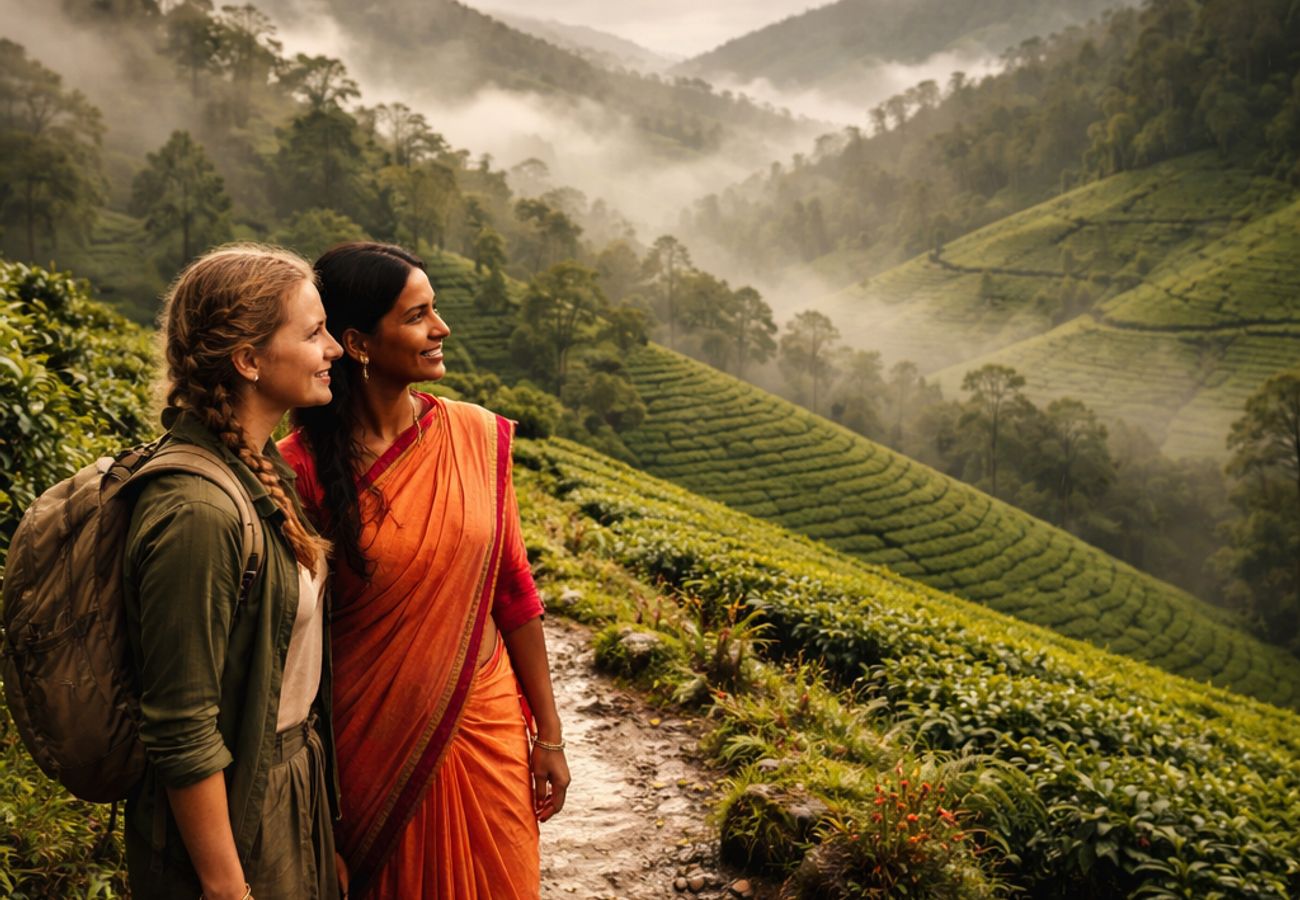
Image generated by AI
The global travel industry is witnessing a seismic shift. While most vacationers chase sunshine and empty beaches, a rapidly growing cohort of international wanderers is doing something radically different: heading straight into India's monsoon season.
This isn't recklessness. It's revolution.
From June onwards, travelers worldwide are deliberately trading their Instagram-perfect beach itineraries for mist-laden mountains, rain-soaked valleys, and tranquil backwaters. The result? Lonavala, Mahabaleshwar, Saputara, Chikmagalur, and Alleppey have become the unexpected darlings of the global slow-travel movement—transforming what was once considered an "off-season" liability into a premium, therapeutic experience.
Reddit: "The monsoon is when India stops performing and starts breathing. You actually see the place as it truly exists, not as a postcard." — r/travel
The Economics of Rain: Why Hotels Are Thriving During the Downpour
Here's what nobody anticipated: the rainy months are now generating year-round revenue streams for hospitality operators.
Traditionally, monsoon seasons spelled economic doom for Indian hill stations. Empty rooms. Skeletal staff schedules. Cancelled bookings. Today, that narrative has flipped entirely. International and domestic travelers are actively seeking out precipitation-heavy periods, fundamentally restructuring how hotels, eco-lodges, and boutique resorts operate their seasonal models.
This paradigm shift creates genuine economic resilience. When international visitors stop crowding peak-season destinations, local communities benefit from reduced environmental strain, lower accommodation costs, and more authentic cultural interactions. Meanwhile, hospitality staff work year-round, regional artisans maintain consistent income streams, and independent businesses no longer face the feast-or-famine cycle that once plagued Indian tourism.
The financial impact extends beyond lodging. Airlines are expanding connectivity. Regional transport operators are upgrading infrastructure. Tourism boards are reshaping marketing strategies. According to travel industry analysts, this stabilization of seasonal volatility represents a fundamental restructuring of how tourism economics function in climatically volatile regions.
Lonavala: The Gateway That Proves Proximity Powers Premiums
Nestled in the Sahyadri mountain range, Lonavala undergoes extraordinary transformation during June and July. The entire landscape becomes a cascading blanket of emerald, with seasonal waterfalls thundering down rocky cliffs and thick mist rolling across impossibly deep valleys.
But Lonavala's real competitive advantage isn't its scenery—it's its accessibility.
Located just 90 kilometers from Mumbai Airport, 70 kilometers from Pune Airport, and 65 kilometers from the newly operational Navi Mumbai Airport, Lonavala represents the perfect storm for the slow-travel demographic. These aren't adventure backpackers requiring weeks of planning. They're corporate professionals, digital nomads, and affluent families seeking three-to-five-day wellness retreats.
This geographic proximity has transformed the entire business model. Weekend getaway culture is now booming when it was previously dormant. Wellness resort operators design exclusive three-day packages specifically timed for monsoon meditation retreats, cocoon experiences, and cloud-forest hiking. Occupancy rates that once dipped to 30% during off-season months now hover consistently at 70-80%.
The infrastructure investment response has been dramatic. Local roads have been widened. Rail connectivity has been modernized. Boutique hotels now feature rooftop rain-watching experiences and indoor culinary theaters celebrating monsoon cuisine.
Reddit: "Lonavala in July is like the earth is waking up. Everything smells like wet stone and alive. You can't get that in December." — r/IndiaTravel
Alleppey's Backwater Transformation: Where Eco-Tourism Meets Wellness
Now shift your perspective 1,500 kilometers south to Kerala's Alleppey, where the monsoon isn't just weather—it's medicine.
Situated along the Vembanad Lake, Alleppey offers something entirely different from mountain stations: a wetland ecosystem that truly comes alive during the rainy months. The landscape transforms into an impossibly vivid green, houseboats navigate mist-laden lagoons, and traditional Ayurvedic centers experience unprecedented demand.
The wellness angle here is not marketing fiction. The cool, humid monsoon atmosphere actually enhances traditional therapeutic treatments. Practitioners report that rainy-season humidity opens pores more effectively, optimizing oil absorption during Ayurvedic massage therapies. International health-conscious travelers—the demographic willing to spend $3,000-$5,000 weekly on wellness retreats—specifically book monsoon sessions.
Cochin International Airport, just 85 kilometers away, provides seamless connectivity. Kottayam railway station offers an alternative for travelers preferring scenic overland journeys. This infrastructure accessibility converts Alleppey from an exotic outlier into a accessible therapeutic destination.
The economic impact on local communities is substantial. Boatmen, artisans, hospitality staff, and small business operators no longer face seasonal unemployment. Kerala's tourism board reports that monsoon-season visitor numbers have increased 40% over the past three years, directly correlating with expanded employment across the region.
Chikmagalur: Where Coffee Country Embraces the Clouds
The Western Ghats hill station of Chikmagalur represents yet another facet of this monsoon revolution.
Famous for its coffee plantations, Chikmagalur becomes genuinely mythical during the rainy season. Mist clings to coffee bushes. Rocky trails transform into gushing streams. The entire landscape exhales an intoxicating aroma that only emerges when water saturates the soil.
International slow-travel enthusiasts are discovering that monsoon season offers the authentic, behind-the-scenes agricultural experience that peak-season tourism cannot replicate. Coffee estate homestays host visitors during harvest preparation periods. Local farmers explain cultivation practices. Travelers participate in genuine agricultural work rather than staged tourist activities.
This model supports small-scale family enterprises that would otherwise be economically vulnerable. It keeps rural communities economically viable while offering travelers genuine cultural immersion rather than commodified experiences.
The Larger Movement: Redefining What "Peak Season" Means
What's happening across these destinations reflects a fundamental philosophical shift in international tourism consciousness.
The old paradigm: sunny weather equals superior travel. Off-season means inferior experience.
The new paradigm: seasonal diversity offers distinct, irreplaceable experiences. Rain isn't a travel obstacle—it's a travel opportunity.
This reframing has profound environmental implications. Travelers choosing off-season travel reduce carbon emissions from packed flights and overcrowded infrastructure. They distribute economic benefits across entire calendar years rather than concentrating them in three-month peak windows. They preserve ecological fragility by reducing environmental strain during vulnerable seasons.
Airlines, sensing this shift, are expanding routes to secondary cities. Boutique lodging operators are investing in monsoon-specific amenities. Local governments are upgrading infrastructure with genuine year-round capacity in mind.
The 2026 travel landscape is fundamentally different from 2023. India's monsoon destinations aren't niche curiosities anymore. They're category-defining experiences reshaping how the global travel industry understands seasonality, sustainability, and authentic cultural engagement.
The rainy season isn't coming to India—it's already revolutionizing how the world travels.
Related Travel Guides
Lufthansa Flights Major Disruption Friday: UFO Cabin Crew Strike April 10
China Tourism Luxury: 2026 Hospitality Revolution Transforms Asia
Disclaimer
This article is for informational and educational purposes only. It does not constitute legal, financial, or professional advice. While we strive to provide accurate and up-to-date information, travel policies, regulations, and conditions change rapidly. Always verify information with official sources before making travel decisions. Nomad Lawyer makes no representations about the accuracy, reliability, completeness, or suitability of the information provided. Readers should consult qualified professionals for advice specific to their circumstances. The views expressed in this article are those of the author and do not necessarily reflect the views of Nomad Lawyer.
Preeti Gunjan
Contributor & Community Manager
A passionate traveller and community builder. Preeti helps grow the Nomad Lawyer community, fostering engagement and bringing the reader experience to life.
Learn more about our team →