
Southwest Airlines Moves Into Long-Haul International and Premium Lounges
Southwest Airlines moves toward international expansion and premium lounges in 2026, marking a significant departure from its no-frills budget model. The carrier now competes directly with legacy carriers despite CEO denials.

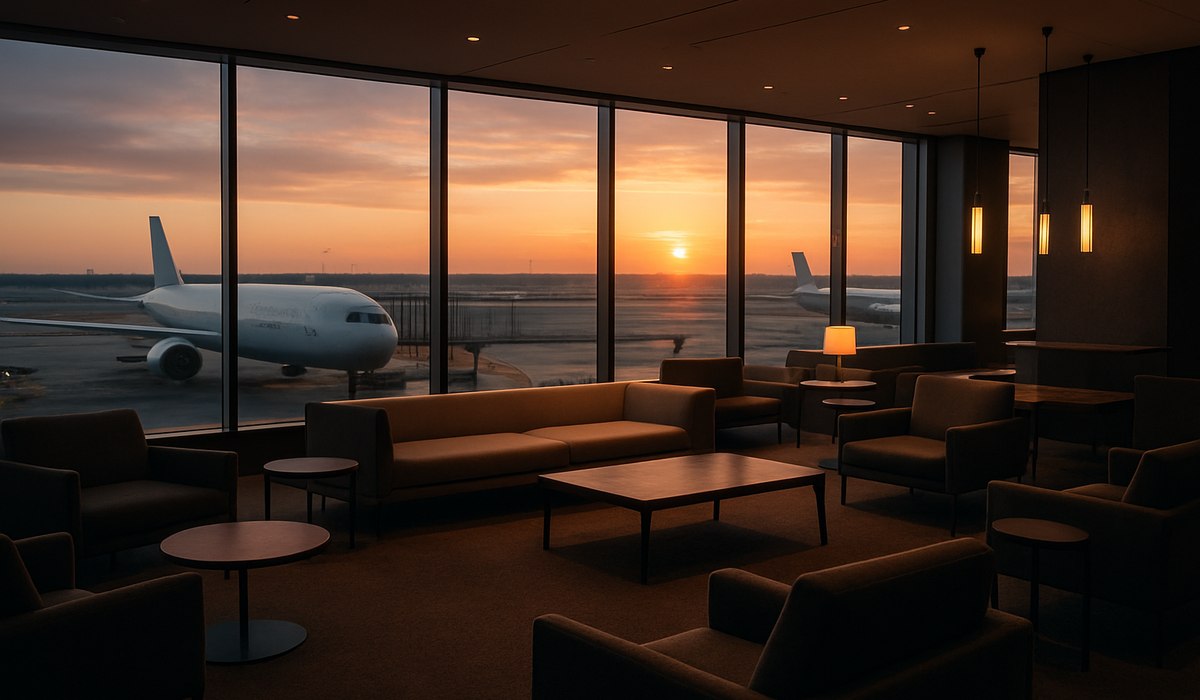
Image generated by AI
Southwest Airlines Moves Into a New Era of Premium Travel
Southwest Airlines moves decisively away from its budget-carrier roots with ambitious plans for long-haul international routes and premium airport lounges rolling out across its network in 2026. The Dallas-based carrier, long synonymous with open seating and ultra-low fares, is now investing heavily in amenities and destinations traditionally reserved for legacy carriers like Delta, United, and American. Despite leadership insisting the airline "doesn't have to become Delta," industry observers note that Southwest Airlines moves increasingly mirror the very strategies the carrier spent decades differentiating itself from.
This strategic pivot represents one of the most significant transformations in Southwest's 55-year history. The reinvention aims to capture premium leisure and business travel segments, reshape its loyalty program, and position the airline competitively in a post-pandemic aviation landscape where passenger expectations have fundamentally shifted toward premium experiences and expanded international connectivity.
Southwest's Strategic Shift Away From the Budget Model
For decades, Southwest built its brand identity on simplicity: one aircraft type, no assigned seats, no premium cabin, no frills. That formula proved wildly successful. Today's Southwest Airlines moves challenge virtually every pillar of that original business model.
The airline is now introducing premium lounges at major hub cities including Dallas Love Field, Denver, Las Vegas, and Phoenix. These lounges offer WiFi, complimentary beverages, snacks, and quiet work spaces—amenities absent from Southwest's operation since its inception. The rollout includes partnerships with lounge access programs, allowing elite frequent flyers priority entry. This move directly competes with Delta Sky Club, United Club, and American Flagship Lounges.
Additionally, Southwest Airlines moves include selective premium cabin introduction on select routes. While the airline stops short of calling it "business class," the new premium section features wider seats, complimentary premium beverages, and priority boarding. These additions represent substantial deviation from Southwest's founding principle of uniform service levels. The carrier justified the changes by citing passenger demand data and competitive necessity in retaining high-value customers.
International Expansion and Route Changes Reshape Network
Southwest Airlines moves now extend into long-haul international markets previously considered outside its strategic scope. The carrier announced new transatlantic and transpacific service beginning in 2026, including routes from U.S. gateway cities to Mexico, Central America, the Caribbean, and select European destinations.
The international expansion directly impacts Southwest's fleet planning and operational complexity. The airline is taking delivery of Boeing 737 MAX aircraft, which enables the 3,000+ nautical mile range necessary for transoceanic service. This represents a departure from Southwest's previous focus on leisure routes connecting secondary and tertiary U.S. markets.
These Southwest Airlines moves require significant infrastructure investment. The carrier is expanding crew bases, adding maintenance facilities capable of servicing international aircraft, and establishing partnerships with ground handling companies in foreign markets. The international strategy targets leisure travelers seeking beach destinations and business professionals traveling between U.S. and European offices—demographics Southwest historically underserved.
Premium Lounge Strategy and Business Travel Focus
Premium lounges directly target the business traveler segment, historically Southwest's weakest demographic. Corporate travel managers have steered clients toward carriers offering lounge access, seat selection, and premium cabin amenities. Southwest Airlines moves now address these competitive gaps.
The lounge expansion includes technology upgrades: wireless charging stations, video conferencing facilities, and mobile apps showing real-time flight status. Premium lounge members receive priority customer service lines, reducing wait times during irregular operations. Early lounges opened in 2026 at Phoenix Sky Harbor and Denver International, with additional openings scheduled through 2027.
This strategic pivot requires staff training and cultural adjustments. Southwest, known for its egalitarian, employee-centric culture, must now manage premium tier differentiation—a significant shift from the airline's historical emphasis on treating all passengers equally. Leadership acknowledges this transformation but frames it as necessary evolution rather than abandonment of core values.
Loyalty Program Evolution and Competitive Positioning
Southwest Airlines moves include substantial modifications to its Rapid Rewards frequent flyer program. The carrier introduced elite status tiers with distinct benefits: priority boarding, priority baggage handling, lounge access, and cabin upgrade entitlements. This tiered structure mirrors United MileagePlus, American AAdvantage, and Delta SkyMiles programs.
The enhanced loyalty program aims to increase passenger lifetime value. Data shows elite members spend significantly more on additional services, premium seating, and premium drinks. Southwest Airlines moves toward loyalty gamification include partnerships with hotel chains, car rental companies, and retail merchants, allowing elite members to accelerate status qualification through non-airline spending.
These changes reflect Southwest's competitive positioning within the industry. The airline recognizes that pure price competition no longer suffices in markets where consumers increasingly value convenience, amenities, and loyalty rewards. By restructuring Rapid Rewards, Southwest Airlines moves closer to legacy carrier loyalty economics while maintaining lower baseline fares.
Passenger Impact and Operational Implications
Southwest Airlines moves toward premium services raise questions about pricing accessibility. While the carrier maintains that base fares remain competitive, the elimination of certain complimentary services (such as premium beverages on some routes) effectively increases travel costs for price-sensitive customers. Business travel advocates note that Southwest's historical advantage—low fares with no hidden fees—has partially eroded with the introduction of premium cabin pricing and lounge memberships.
Operationally, the international expansion and premium service introduction increase complexity significantly. Southwest must now manage multiple aircraft types, complex crew scheduling across time zones, and foreign regulatory compliance. This operational expansion contradicts the carrier's previous strategy of homogeneous fleet management and simplified routing.
Employee impact remains uncertain. While Southwest's labor relations historically exceed industry standards, the introduction of premium tier differentiation and international service may require new job classifications and skill training. Crew scheduling becomes substantially more complicated with long-haul international routes, potentially affecting the work-life balance advantages Southwest employees traditionally enjoyed.
Key Data and Timeline
| Factor | Details |
|---|---|
| New Lounge Locations (2026) | Phoenix Sky Harbor, Denver International, Dallas Love Field, Las Vegas Harry Reid |
| International Routes Announced | Mexico, Central America, Caribbean, select European gateways |
| Aircraft Type | Boeing 737 MAX (range 3,550+ nautical miles) |
| Premium Cabin Rollout | Select transcontinental and international routes beginning Q2 2026 |
| Loyalty Program Tiers | Three elite status levels with distinct benefits and qualification metrics |
| Fleet Expansion Timeline | 24 Boeing 737 MAX deliveries scheduled through 2027 |
What This Means for Travelers
Southwest Airlines moves create opportunities and challenges for different passenger segments. Here's what frequent flyers should know:
-
Evaluate loyalty tier qualification: The restructured Rapid Rewards program offers meaningful benefits at elite levels. Calculate whether your annual Southwest spending justifies targeting status through spending or purchased qualification.
-
Compare lounge access value: Premium lounge memberships carry annual fees. Determine if lounge amenities align with your travel frequency and work style requirements.
-
Monitor fare structures: Watch pricing closely on newly announced international routes. Southwest's entry pricing may undercut legacy carriers, but premium cabin pricing requires comparison shopping.
-
Verify international baggage policies: Confirm baggage policies on new international routes, as Southwest's traditional two free bags may have exceptions on certain markets.
-
Track fleet expansion: The Boeing 737 MAX rollout impacts route announcements. Review FlightAware for Southwest's newest route announcements and scheduling.
-
Check seating policies: Understand how premium cabin introduction affects standard seating availability and boarding order on affected routes.
-
Review corporate travel agreements: If your employer contracts with Southwest, inquire about corporate preferred pricing on new premium services.
Frequently Asked Questions
Is Southwest becoming like Delta or other legacy carriers? Southwest Airlines moves toward premium services and international
Disclaimer
This article is for informational and educational purposes only. It does not constitute legal, financial, or professional advice. While we strive to provide accurate and up-to-date information, travel policies, regulations, and conditions change rapidly. Always verify information with official sources before making travel decisions. Nomad Lawyer makes no representations about the accuracy, reliability, completeness, or suitability of the information provided. Readers should consult qualified professionals for advice specific to their circumstances. The views expressed in this article are those of the author and do not necessarily reflect the views of Nomad Lawyer.
Kunal K Choudhary
Co-Founder & Contributor
A passionate traveller and tech enthusiast. Kunal contributes to the vision and growth of Nomad Lawyer, bringing fresh perspectives and driving the community forward.
Learn more about our team →