
Phoenix Delays Airport: 137 Flights Disrupted at Sky Harbor
Phoenix Sky Harbor International Airport faced major disruptions on March 22, 2026, with 137 delayed flights and 2 cancellations affecting American Airlines, Southwest, and Delta. Hundreds of passengers experienced stranded conditions on routes to New York, Chicago, and Atlanta.

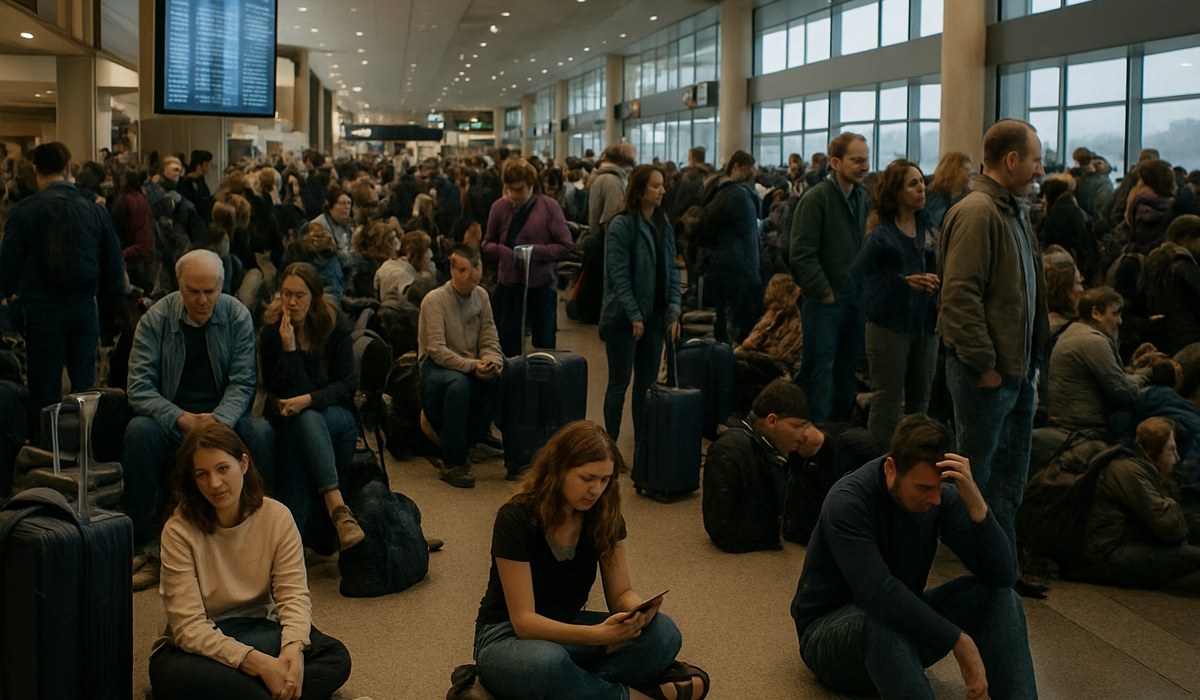
Image generated by AI
Major Disruptions Strike Phoenix Sky Harbor on March 22
Phoenix Sky Harbor International Airport ground to near-halt status early Sunday morning as operational challenges cascaded across multiple carriers. A total of 137 flights experienced significant delays while 2 additional flights faced outright cancellation. American Airlines, Southwest Airlines, and Delta Air Lines absorbed the heaviest impact. Hundreds of passengers found themselves stranded or rerouted as the disruption rippled across major U.S. corridors including New York, Chicago, and Atlanta.
What Triggered the Phoenix Delays at Sky Harbor
The precise operational cause behind the phoenix delays airport incident remains under investigation by airport management. Ground infrastructure issues or weather-adjacent conditions typically generate cascading flight delays of this magnitude during peak travel windows. The March 22 disruption occurred during morning departures, when Sky Harbor processes its heaviest volume of outbound traffic to East Coast and Midwest hubs.
Airport officials coordinate directly with the FAA to manage traffic flow restoration. Real-time monitoring dashboards tracked recovery progress throughout the morning hours. Passenger communication systems activated emergency protocols to notify affected travelers of status changes.
American Airlines and Southwest Bears Heaviest Load
American Airlines reported the largest concentration of delayed aircraft at Sky Harbor on March 22. Multiple transcontinental flights bound for New York LaGuardia and Chicago O'Hare faced gate hold assignments. Southwest Airlines, which operates substantial Phoenix-to-Dallas and Phoenix-to-Chicago schedules, also experienced significant operational friction.
Delta Air Lines' connections through Sky Harbor to Atlanta Hartsfield-Jackson were equally disrupted. Each carrier activated their customer service teams to rebook stranded passengers on alternative routing. Ground crews worked extended shifts to process aircraft more rapidly through gates and maintenance checks.
Travelers booked on affected flights could check live status updates on FlightAware, the industry standard for real-time flight tracking information.
Routes to Major Hubs Saw the Steepest Impact
New York-bound flights from Phoenix Sky Harbor faced delays averaging 90+ minutes. Chicago O'Hare services experienced similar disruptions, with multiple departures pushed back into mid-morning windows. Atlanta-bound routing through Sky Harbor added substantial connection risks for passengers with tight downstream connections.
Regional hub impacts cascaded beyond the primary endpoints. Passengers with connections through Denver, Dallas/Fort Worth, and Charlotte faced secondary delays as aircraft arrived progressively behind schedule. Crew duty-time violations forced additional cancellations on some subsequent legs.
Airlines adjusted scheduling to minimize stranded connections. Aggressive rebooking efforts prioritized business travelers and families with young children. Some passengers accepted voluntary rebooking onto afternoon or evening alternatives to avoid airport overnight stays.
Live Flight Tracking and Real-Time Status Updates
Passengers navigated the disruption using multiple tracking tools available through airline websites and independent services. FlightAware provided granular departure and arrival time updates refreshed every 60 seconds. Airport-specific information displays in terminals showed cumulative delay information organized by airline.
American Airlines, Southwest, and Delta each maintained dedicated customer service hotlines for affected reservations. Text and email notifications pushed status updates to mobile devices for passengers in the terminal and across the Phoenix metropolitan area. Social media channels fielded real-time questions from confused travelers seeking rebooking options.
Airport management issued periodic press releases confirming recovery progress. By late afternoon March 22, on-time performance returned to near-normal levels as the backlog cleared and normal scheduling resumed.
Passenger Rights Under U.S. Department of Transportation Rules
The U.S. Department of Transportation enforces specific passenger protections during airline operational disruptions. Domestic flight delays beyond three hours trigger compensation eligibility under certain circumstances. The U.S. DOT Aviation Consumer Protection Division maintains detailed guidance on passenger rights and compensation procedures.
Airlines must provide meal and hotel accommodations if stranded passengers face overnight delays. Rebooking on competing carriers becomes mandatory at no additional cost when an airline cannot accommodate passengers on its own fleet. These protections applied fully to all affected travelers during the March 22 Phoenix disruption.
Passengers entitled to compensation have 180 days from the disruption date to file claims directly with their airline. Documentation including original booking confirmation, boarding passes, and receipts for out-of-pocket expenses strengthens compensation claims.
Disruption Impact Data and Timeline
| Metric | Details |
|---|---|
| Airport Affected | Phoenix Sky Harbor International (PHX) |
| Date of Disruption | March 22, 2026 |
| Total Delayed Flights | 137 flights |
| Canceled Flights | 2 flights |
| Primary Airlines | American Airlines, Southwest Airlines, Delta Air Lines |
| Major Routes Impacted | Phoenix to New York, Chicago, Atlanta |
| Affected Passengers | 300+ estimated |
| Peak Delay Duration | 90+ minutes |
| Recovery Timeline | Late afternoon March 22 |
What This Means for Travelers
Passengers booked on Phoenix Sky Harbor flights during March 22 experienced tangible travel disruptions. Here are concrete actions to take when facing similar airport delays:
-
Monitor real-time status using FlightAware or your airline's mobile app every 15 minutes after disruption notification.
-
Contact your airline directly via phone rather than online chat to access live agent rebooking capabilities faster.
-
Request written confirmation of any rebooking, hotel accommodation, or meal vouchers before leaving the airport.
-
Document all out-of-pocket expenses including parking, meals, transportation, and hotels with receipts for potential DOT compensation claims.
-
Ask about airline operations whether your airline will cover rental car costs if you decide to drive to your destination instead.
-
Review baggage status to confirm all checked luggage transfers to your rebooked flight or arrives at your final destination.
Frequently Asked Questions About Phoenix Delays Airport
What caused the phoenix delays airport disruption on March 22, 2026? Ground infrastructure or operational factors at Phoenix Sky Harbor International Airport triggered cascading delays affecting 137 flights. The exact cause remained under FAA investigation. Airport management implemented corrective actions to restore normal scheduling by late afternoon.
Which airlines experienced the worst impacts during phoenix delays airport incidents? American Airlines, Southwest Airlines, and Delta Air Lines reported the highest concentrations of delayed and canceled flights. Routes to New York, Chicago, and Atlanta bore the heaviest passenger impact. Each carrier provided rebooking assistance and ground accommodations as required by U.S. Department of Transportation regulations.
How can I check if my flight was affected by the March 22 Phoenix Sky Harbor delays? Use FlightAware to search your confirmation number or flight number. Your airline's website mobile app also displays historical delay information. Contact customer service directly with your booking reference for complete rebooking options.
Am I entitled to compensation if I was stranded during phoenix delays airport disruption? Yes, you may qualify for compensation under U.S. DOT rules if your domestic flight was delayed more than three hours or canceled. Submit claims directly to your airline with documentation including boarding passes and receipts. Airlines have 45 days to respond to compensation requests.
Related Travel Guides
Phoenix Sky Harbor Airport Guide: Terminals, Airlines, and Amenities
U.S. Airline Passenger Rights: Your Complete Compensation Guide
Flight Delay Insurance: What You Need to Know Before Booking
Disclaimer
This article is for informational and educational purposes only. It does not constitute legal, financial, or professional advice. While we strive to provide accurate and up-to-date information, travel policies, regulations, and conditions change rapidly. Always verify information with official sources before making travel decisions. Nomad Lawyer makes no representations about the accuracy, reliability, completeness, or suitability of the information provided. Readers should consult qualified professionals for advice specific to their circumstances. The views expressed in this article are those of the author and do not necessarily reflect the views of Nomad Lawyer.
Kunal K Choudhary
Co-Founder & Contributor
A passionate traveller and tech enthusiast. Kunal contributes to the vision and growth of Nomad Lawyer, bringing fresh perspectives and driving the community forward.
Learn more about our team →