
Southwest Airlines Flight WN4229 Boeing 737 MAX 8 Diverts to Las Vegas from Los Angeles to Phoenix 2026
Southwest Airlines Flight WN4229, a Boeing 737 MAX 8 traveling from Los Angeles to Phoenix, was diverted to Harry Reid International Airport in Las Vegas on July 20, 2026, causing significant passenger delays.

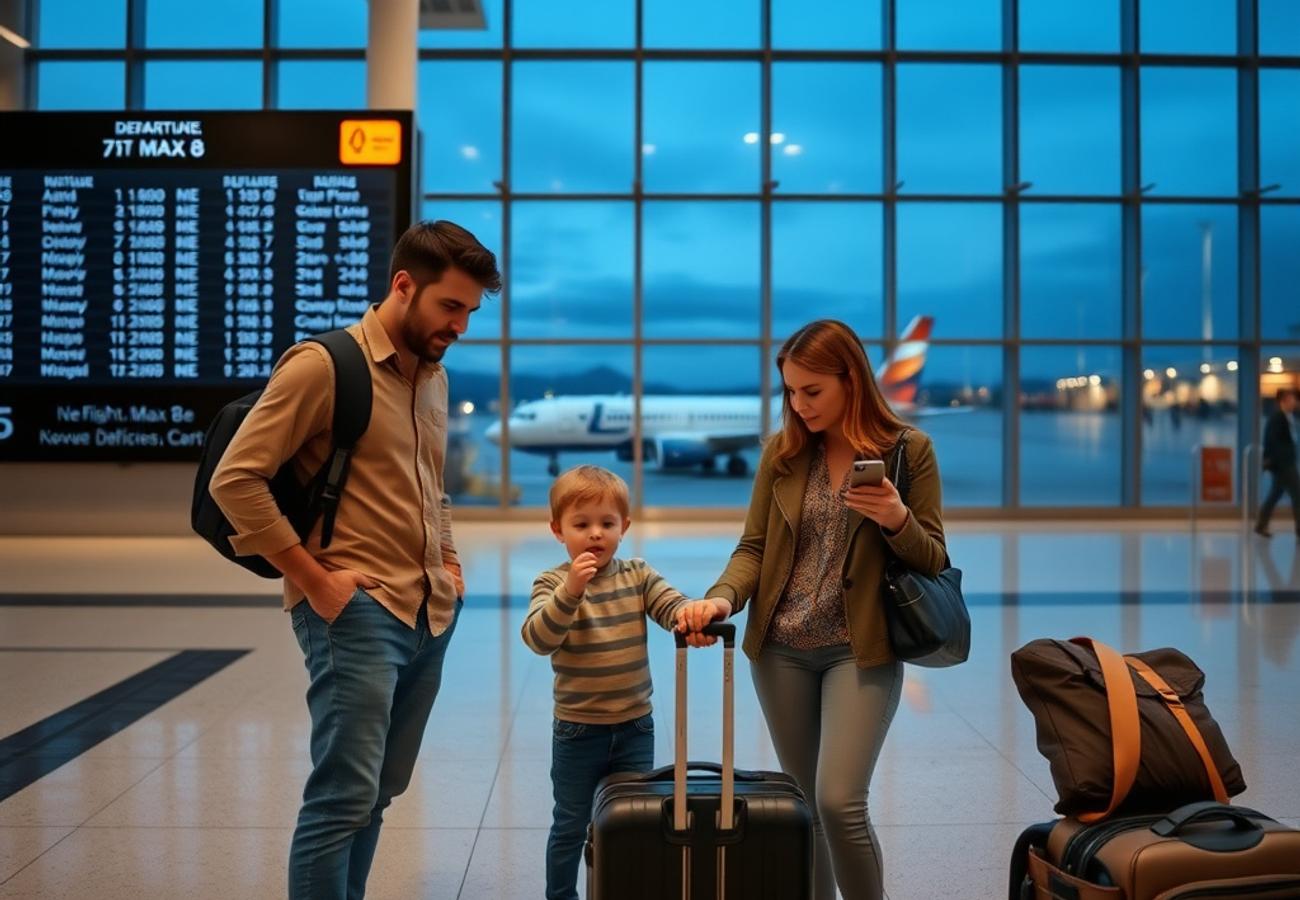
Image generated by AI
On July 20, 2026, Southwest Airlines Flight WN4229 experienced an unexpected route change, resulting in a diversion to Harry Reid International Airport (LAS) in Las Vegas. The flight, which was scheduled to connect Los Angeles International Airport (LAX) to Phoenix Sky Harbor International Airport (PHX), landed safely in Nevada instead of its intended destination in Arizona.
The diversion disrupted a high-demand domestic corridor used extensively by both business and leisure travelers. While the aircraft arrived safely, the shift in destination created immediate logistical challenges for passengers attempting to reach Phoenix.
Flight Logistics and Timeline
The operation was carried out using a Boeing 737 MAX 8, registered as N8848Q. The aircraft departed from Gate 13 at Los Angeles International Airport at 7:35 PM PDT.
Rather than continuing its trajectory toward Phoenix, the crew redirected the aircraft to Las Vegas. The flight touched down at Harry Reid International Airport at 10:07 PM PDT. This resulted in a total arrival delay of approximately 1 hour and 37 minutes compared to the original scheduled time.
Operational Analysis of the Diversion
The specific cause for the diversion was not immediately disclosed. In aviation, such maneuvers are typically precautionary and can be triggered by several variables:
- Technical Assessments: Onboard sensor alerts or mechanical irregularities requiring immediate inspection.
- Medical Emergencies: The need to land at the nearest capable facility to provide urgent care to a passenger or crew member.
- Weather Patterns: Sudden atmospheric changes or visibility issues at the destination airport.
- Air Traffic Control (ATC): Directives from controllers based on airspace congestion or safety protocols.
Harry Reid International Airport was selected as the alternative landing site due to its robust infrastructure and capacity to support large aircraft and passenger volumes. Because Las Vegas is located roughly 300 miles from Phoenix, the diversion necessitated additional coordination by Southwest Airlines to transport passengers to their final destination.
Impact on the LAX-PHX Route
The route between Los Angeles and Phoenix is a critical link in the southwestern United States. It serves as a primary artery for regional commerce and tourism. When a flight like WN4229 is diverted, it creates a ripple effect for passengers with onward connections in Phoenix, which is a major hub for Southwest.
The use of the Boeing 737 MAX 8 on this route highlights the airline's reliance on fuel-efficient, medium-capacity aircraft for short-haul domestic hops. Despite the reliability of the MAX fleet, the July 20 incident underscores the volatility of short-haul operations where a single diversion can impact a significant percentage of a day's scheduled capacity on a specific route.
Flight Detail Summary
The following table provides the verified data regarding the disruption of Flight WN4229.
| Flight Detail | Information |
|---|---|
| Flight Number | WN4229 / SWA4229 |
| Aircraft Model | Boeing 737 MAX 8 |
| Aircraft Registration | N8848Q |
| Departure Airport | Los Angeles International (LAX) |
| Scheduled Destination | Phoenix Sky Harbor (PHX) |
| Actual Landing Site | Harry Reid International (LAS) |
| Departure Time | 7:35 PM PDT (July 20, 2026) |
| Arrival Time (LAS) | 10:07 PM PDT (July 20, 2026) |
| Total Delay | 1 hour 37 minutes |
| Departure Gate | Gate 13 |
Passenger Recovery and Next Steps
Following the landing in Las Vegas, Southwest Airlines focused on restoring travel arrangements. For passengers stranded in Nevada, the airline typically evaluates three primary recovery options:
- Rebooking: Placing passengers on the next available flight from Las Vegas to Phoenix.
- Ground Transport: Arranging buses or shuttles for the 300-mile trip to Arizona.
- Alternative Routing: Utilizing other available aircraft within the regional network to clear the backlog.
Passengers were directed to use the Southwest mobile application and official email notifications for real-time updates on their modified itineraries.
Safety remains the primary driver in all aviation diversion decisions, ensuring that aircraft land at facilities best equipped to handle unexpected operational needs.
Related Travel Guides
Disclaimer
This article is for informational and educational purposes only. It does not constitute legal, financial, or professional advice. While we strive to provide accurate and up-to-date information, travel policies, regulations, and conditions change rapidly. Always verify information with official sources before making travel decisions. Nomad Lawyer makes no representations about the accuracy, reliability, completeness, or suitability of the information provided. Readers should consult qualified professionals for advice specific to their circumstances. The views expressed in this article are those of the author and do not necessarily reflect the views of Nomad Lawyer.
Raushan Kumar
Founder & Lead Developer
Full-stack developer with 11+ years of experience and a passionate traveller. Raushan built Nomad Lawyer from the ground up with a vision to create the best travel and law experience on the web.
Learn more about our team →