
Southwest Airlines Flight WN2314 Boeing 737 Diverts Back to Las Vegas During Phoenix Route in 2026
Southwest Airlines Flight WN2314 experienced an unexpected route change on July 20, 2026, forcing a Boeing 737 to return to Las Vegas before finally reaching Phoenix.

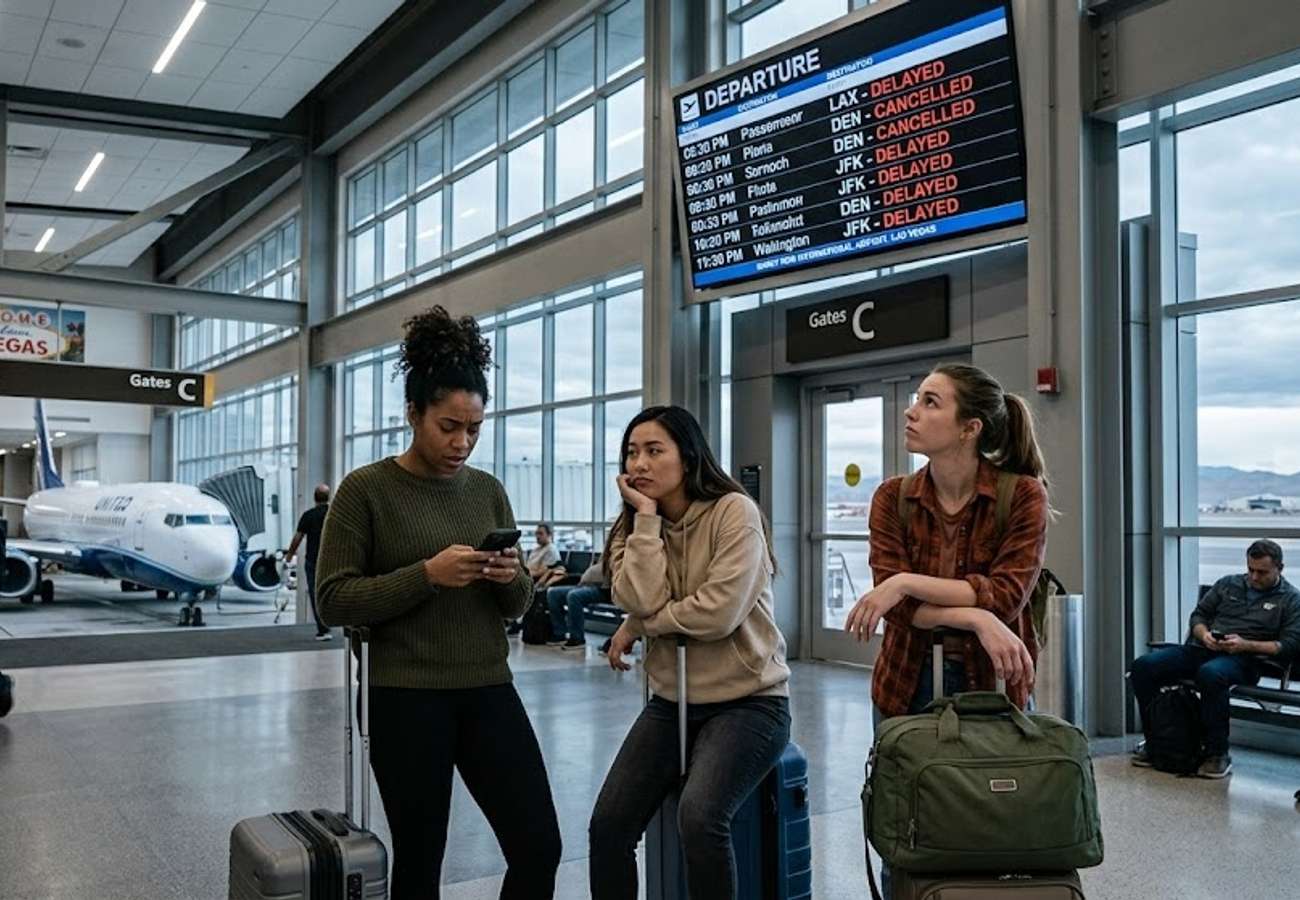
Image generated by AI
A scheduled short-haul jump between two of the Southwest's most active hubs turned into a multi-hour ordeal when a technical or operational shift forced a mid-air turnaround.
The Local Trend Revealed
On July 20, 2026, the routine corridor between Nevada and Arizona saw a significant operational disruption. Southwest Flight WN2314, operated by a Boeing 737 registered as N948WN, departed from Gate C5 at Harry Reid International Airport (LAS) destined for Phoenix Sky Harbor International Airport (PHX).
Shortly after takeoff, the aircraft deviated from its planned flight path. Rather than proceeding to Arizona, the flight crew and airline operations team opted to return the aircraft to its point of origin in Las Vegas. While the specific catalyst for the return—whether technical, weather-related, or passenger-driven—was not immediately disclosed, the decision underscores the strict safety protocols governing the Boeing 737 fleet, which serves as the primary workhorse for Southwest's domestic network.
The diversion resulted in a substantial delay for those on board. After landing back at Harry Reid International Airport for necessary checks and operational adjustments, the aircraft eventually resumed its journey. Flight tracking data confirms that Flight WN2314 finally touched down at Phoenix Sky Harbor International Airport Gate D2 at 11:59 PM MST, marking a total delay of 3 hours and 4 minutes.
Cultural & Environmental Value (Information Gain)
The route connecting Las Vegas and Phoenix is more than just a commuter hop; it is a vital economic artery for the Southwest US. This corridor supports a massive influx of leisure travelers visiting the Grand Canyon and the Red Rocks of Sedona, as well as business professionals linking the tech hubs of Phoenix with the hospitality epicenter of Las Vegas.
From a sustainability perspective, the decision to return to a primary hub like Harry Reid International Airport is often the most resource-efficient choice. Because Southwest maintains a heavy operational presence in Las Vegas, the airport offers immediate access to specialized maintenance crews and replacement parts. This prevents the aircraft from being stranded at a smaller regional airfield, which would require "ferrying" engineers and equipment over long distances, thereby increasing the carbon footprint of the recovery operation.
Visitor Insider Tips
For those navigating the high-frequency routes between Las Vegas and Phoenix, operational shifts are a reality of summer travel in the desert.
- The Summer Heat Factor: July is peak heat for both cities. Be aware that extreme temperatures can occasionally lead to "weight restrictions" or technical delays during takeoff and landing. Always carry a portable power bank, as diversions can drain phone batteries while you wait for updates.
- Airport Navigation: If you are diverted back to Harry Reid (LAS), remember that the airport is designed for rapid transit. Use the official Harry Reid International Airport digital signage for real-time gate changes, as diverted flights are often reassigned to different terminals to manage congestion.
- Dining in the Delay: If stuck in Las Vegas during a delay, avoid the immediate gate snacks. Head toward the Terminal 1 food court for local Nevada-style fare or a quick "Vegas-style" buffet snack to pass the time.
- Documentation: In the event of a 3+ hour delay, immediately document the disruption via the airline's app and take screenshots of the arrival time (e.g., the 11:59 PM MST arrival) to facilitate any travel insurance claims or reimbursement requests.
Tourism Outlook
The resilience of the Las Vegas-Phoenix corridor remains strong despite occasional disruptions. As both cities continue to grow—Phoenix as a burgeoning tech hub and Las Vegas as a diversified entertainment destination—the demand for high-frequency, short-haul flights will only increase.
The long-term impact of such diversions is minimal, but it highlights the necessity for airlines to maintain robust "recovery networks." The ability of Southwest to turn around Flight WN2314 and still deliver passengers to their destination on the same calendar day, despite a three-hour setback, demonstrates the operational flexibility required to sustain tourism in the American Southwest.
Safe travels are a result of cautious decisions, even when they lead back to the starting gate.
Related Travel Guides
Disclaimer
This article is for informational and educational purposes only. It does not constitute legal, financial, or professional advice. While we strive to provide accurate and up-to-date information, travel policies, regulations, and conditions change rapidly. Always verify information with official sources before making travel decisions. Nomad Lawyer makes no representations about the accuracy, reliability, completeness, or suitability of the information provided. Readers should consult qualified professionals for advice specific to their circumstances. The views expressed in this article are those of the author and do not necessarily reflect the views of Nomad Lawyer.
Kunal K Choudhary
Co-Founder & Contributor
A passionate traveller and tech enthusiast. Kunal contributes to the vision and growth of Nomad Lawyer, bringing fresh perspectives and driving the community forward.
Learn more about our team →