Southwest Airlines Assigned Seating Shift 2026: Passenger Conflict on Orlando to Fort Myers Route

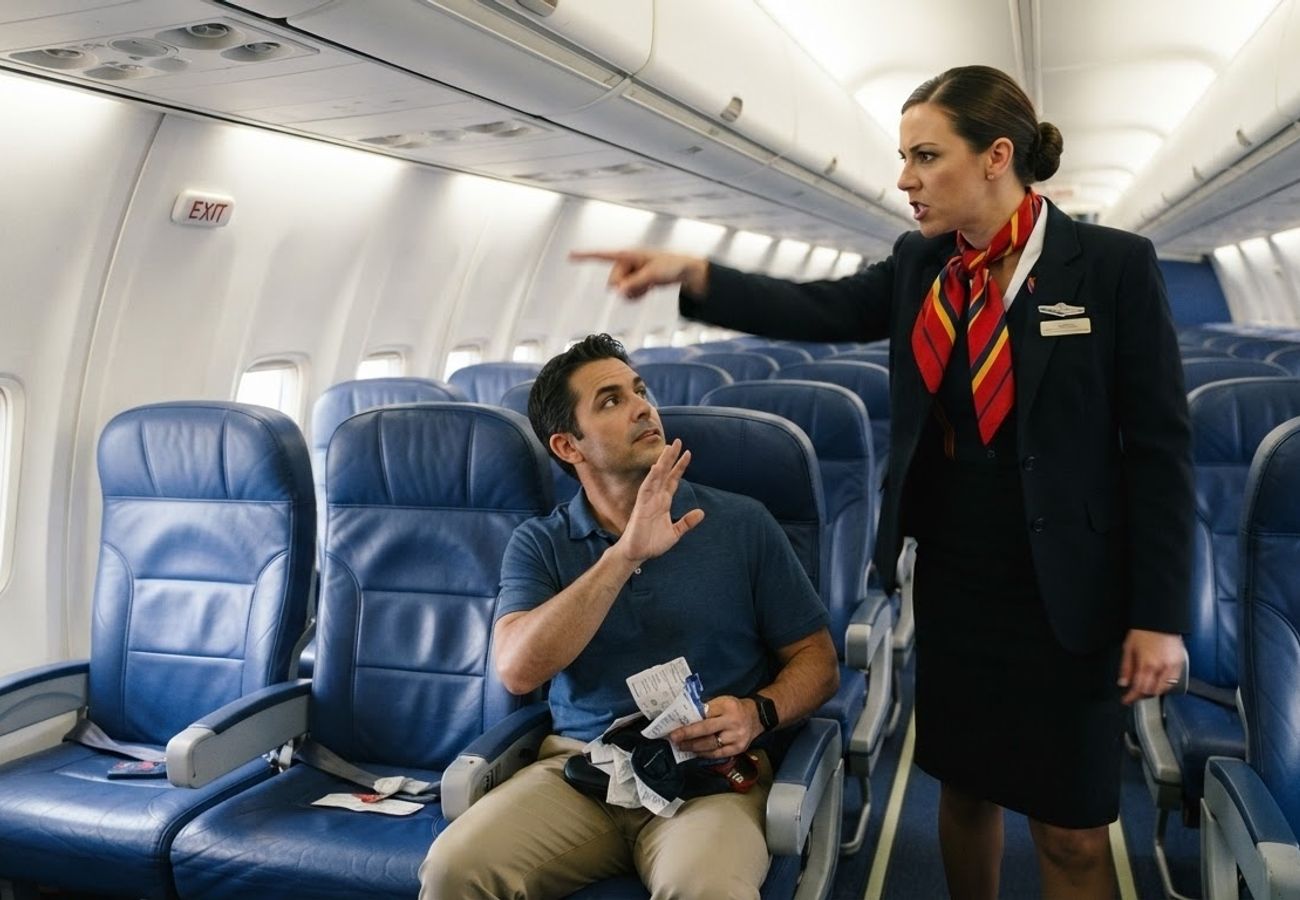
Image generated by AI
Southwest Airlines transitioned from its legendary open-seating model to a rigid assigned-seat system in January 2026, a move that has fundamentally altered the passenger-crew dynamic. This shift is now manifesting in high-friction encounters, as evidenced by a recent incident on a 35-minute flight from Orlando to Fort Myers where a passenger was threatened with a flight diversion for moving a single seat over in a nearly empty cabin.
The Friction of Monetized Seating in Numbers
The incident occurred on a Boeing 737-700, an aircraft designed for up to 137 passengers. On this specific leg, the aircraft was operating at approximately 27% capacity, carrying only 37 passengers. Despite the vast amount of available space—with entire rows across the aisle remaining vacant—the crew enforced a strict adherence to the assigned seating manifest.
The conflict began when a passenger, assigned to a center seat, moved to an adjacent empty aisle seat to alleviate crowding caused by a passenger of size in the window seat. The crew's reaction was immediate and severe: the flight attendant threatened to contact the flight deck and return the aircraft to Orlando to "sort out" the seating violation. This represents a significant escalation in crew enforcement since the January 2026 policy change, moving from the "free-for-all" culture to a strict revenue-protection model where aisle seats are now monetized.
According to data from the International Air Transport Association (IATA), the move toward "unbundling" services—where seats, bags, and priority boarding are sold separately—is a global trend aimed at increasing Average Revenue Per Passenger (ARPP). For Southwest, this means the aisle seat is no longer just a location; it is a paid product.
Comparative Context: The Death of Open Seating
For decades, Southwest operated as the primary outlier among the "Big Four" U.S. carriers by eschewing assigned seats. The 2026 pivot aligns them with Delta, United, and American, but the transition has created a cultural clash between long-term loyalists and new operational mandates.
The following table breaks down the current 2026 Southwest seating hierarchy, illustrating how the airline has segmented its cabin to maximize yield.
| Tier | Seating Access | Boarding Priority | Key Benefit |
|---|---|---|---|
| Basic | Standard | Last Group | Lowest Price Point |
| Choice | Standard | General | 6x Rapid Rewards Points |
| Choice Preferred | Preferred/Standard | Groups 3-4 | 10x Rapid Rewards Points |
| Choice Extra | Extra Legroom | Groups 1-2 | 14x Rapid Rewards Points & WiFi |
This tiered structure transforms the cabin from a communal space into a tiered marketplace. When a passenger moves from a "Basic" center seat to a "Choice" aisle seat, the crew views it not as a comfort adjustment, but as "seat poaching" or the unauthorized consumption of a higher-tier product.
What This Means for Travelers
The era of flexibility on Southwest has ended. For those booking travel in the remainder of 2026, the following data-driven advice applies:
- Budget for the Aisle: If you prioritize physical space or accessibility, you must now pay for the "Choice" or "Choice Preferred" tiers. Expecting to "slide over" into an empty aisle seat is now a high-risk maneuver that may lead to confrontations with crew members tasked with enforcing revenue boundaries.
- Weight and Balance Awareness: While the crew in this incident may have overreacted, there is a technical basis for seating restrictions. As noted by industry professionals, on flights with low load factors (like the 37 passengers on this 737-700), the Federal Aviation Administration (FAA) guidelines regarding center of gravity are critical. Passengers moving toward the rear of a nearly empty plane can affect the aircraft's trim and fuel efficiency during takeoff.
- Document Your Seat: In the event of a dispute, refer to your digital boarding pass. If you are in a "Basic" seat and the cabin is empty, request permission from the crew before moving. The current climate suggests that unilateral movement is being interpreted as a violation of policy.
Forward Projection: The Standardization of the U.S. Cabin
The trajectory of the U.S. domestic market is moving toward total standardization. With Southwest now mirroring the revenue models of its competitors, we can expect a further increase in "ancillary revenue" dependencies.
Market movements suggest that by 2027, we will see more "dynamic pricing" for seats, where the cost of an aisle seat fluctuates in real-time based on the remaining capacity of the flight. The friction seen on the Orlando to Fort Myers route is a leading indicator of a broader trend: the professionalization of the cabin crew as "revenue protectors" rather than just safety officers. As airlines squeeze margins, the tolerance for "free" upgrades—even in an empty plane—will likely drop to zero.
FAQ: Southwest Assigned Seating 2026
Can I still move seats if the flight is empty? Technically, you should remain in your assigned seat. While some crews are lenient, the 2026 policy encourages strict adherence to the manifest for revenue and weight-and-balance reasons. Always ask the flight attendant first.
Why is Southwest charging for aisle seats now? The airline has shifted to a tiered revenue model (Basic, Choice, Preferred, Extra) to increase profit margins and align its business model with other major U.S. carriers.
Will this lead to more flight delays? While unlikely to cause systemic delays, individual disputes over seating—like the threat to return to Orlando—can cause boarding friction and minor departure hold-ups if passengers refuse to comply with crew instructions.
Which tier offers the most flexibility? The "Choice Extra" tier provides the highest level of flexibility, including the best boarding priority (Groups 1-2) and access to extra legroom seats.
The open-seating era was a cultural anomaly; the new reality is a calculated ledger where every inch of the cabin has a price tag.
Related Travel Guides
This article is for informational purposes. Flight routes, passenger regulations, visa rules, and transit advisories are subject to change by airlines and aviation authorities. Readers are advised to verify schedules and travel documentation with relevant carriers and border agencies before departure.
Related Stories
Mount Fuji First Sunrise Flights 2027: Japan Airlines New Year Aerial Guide
Cambodia Beyond Angkor Wat: Etihad Airways and Tourism Board Travel Guide 2026