
Southeast Asia Hotel Bookings Set to Surge Over 14% in 2026 as Domestic Travel Dominates
Digital travel spending in Southeast Asia rose 13.3% in 2026, driven by a massive shift toward domestic tourism and intra-ASEAN travel across Thailand, Vietnam, Malaysia, and the Philippines.

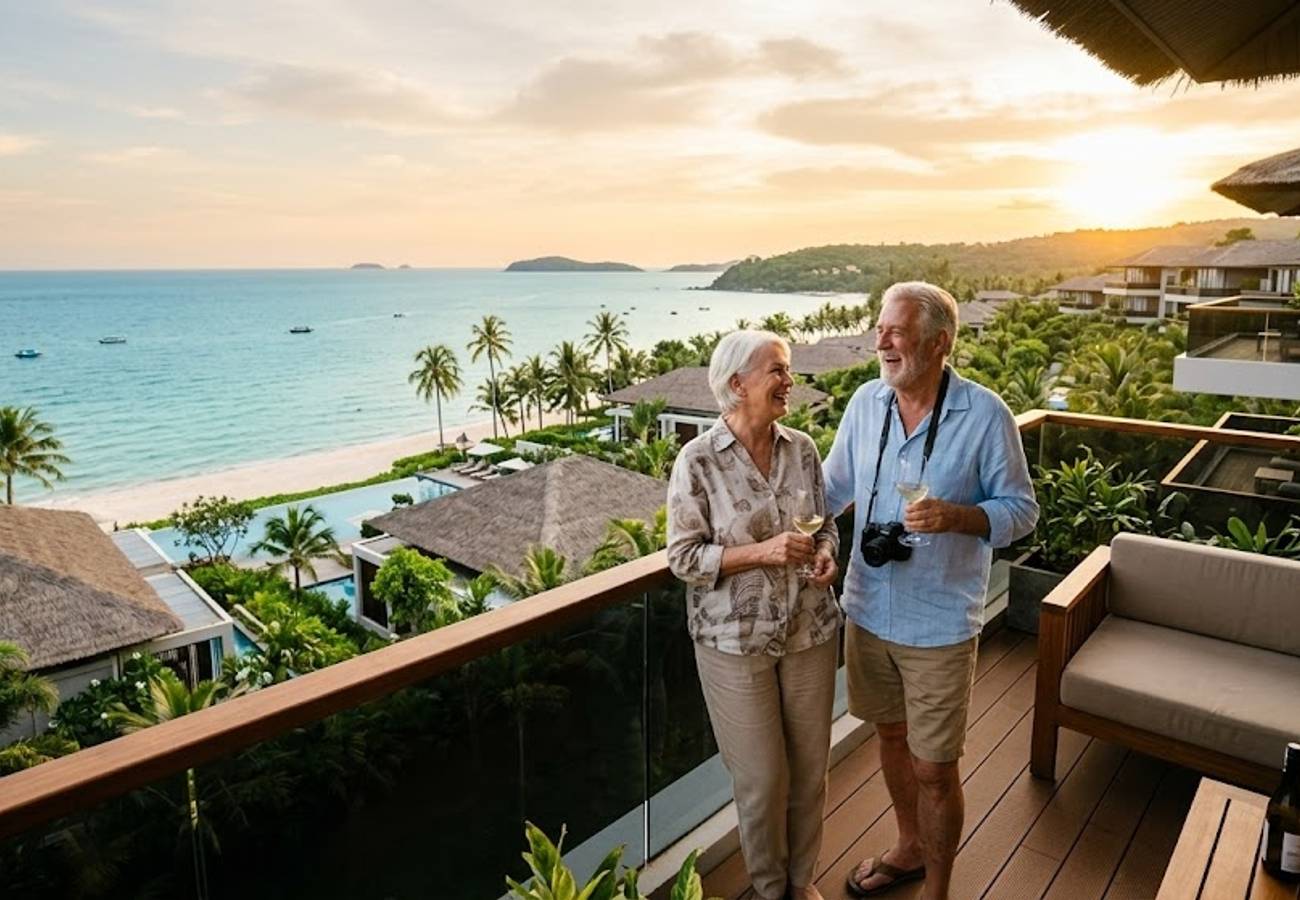
Image generated by AI
Digital travel spending across Southeast Asia has increased by 13.3% as of July 2026, signaling a decisive shift toward domestic and short-haul regional tourism.
Fresh data from Google and Visa indicates that travelers are abandoning expensive long-haul international trips in favor of destinations closer to home. This behavioral pivot has triggered a surge in hotel reservations and regional flight searches, primarily benefiting key hubs in Thailand, Vietnam, Malaysia, and the Philippines.
Regional Market Performance and Digital Shifts
The acceleration in digital travel spending reflects a broader consumer trend: the use of online platforms for the entire travel lifecycle, from destination research to final itinerary booking. This digital-first approach has intensified booking activity across the ASEAN bloc, creating a more interconnected regional tourism ecosystem.
Thailand: The Domestic Powerhouse
Thailand has successfully implemented a domestic-first strategy to insulate its tourism economy.
- Domestic Priority: 66% of Thai travelers prioritized holidays within Thailand in 2026.
- Bangkok Growth: Search volume for the capital surged by 35%.
- Chiang Mai's Ascent: The city is now ranked as the 6th most popular destination across all of Asia for 2026, driven by demand for wellness and cultural heritage.
Vietnam: Rapid Infrastructure Expansion
Vietnam is currently one of the fastest-growing markets in the region, supported by a surge in luxury hospitality developments.
- Search Volume: Accommodation searches increased by nearly 50%.
- Top Performer: Phu Quoc recorded the highest growth in hotel bookings and online searches.
- Luxury Integration: The entry of brands like Four Seasons and Nobu in Da Nang and Hanoi has attracted affluent regional and international travelers.
Malaysia and the Philippines: Urban and Coastal Demand
Both nations are seeing concentrated growth in specific high-demand hubs.
- Malaysia: Recorded 10.6 million visitor arrivals in early 2026. Kuala Lumpur saw booking intent increase by over 50%.
- Philippines: Cebu emerged as the fastest-growing destination, seeing the largest increase in regional travel searches due to its nature-based tourism and diving sectors.
Key Tourism Metrics 2026
| Metric | Value / Growth | Region/Entity |
|---|---|---|
| Digital Travel Spending | +13.3% | Southeast Asia (Overall) |
| Thai Domestic Travel Preference | 66% | Thailand |
| Bangkok Search Volume | +35% | Thailand |
| Vietnam Accommodation Searches | ~50% | Vietnam |
| Malaysia Visitor Arrivals | 10.6 Million | Malaysia (Early 2026) |
| Kuala Lumpur Booking Intent | +50% | Malaysia |
| Family-Focused Travel Searches | ~60% | Southeast Asia (Overall) |
Why This Matters: The Shift to "Micro-Tourism"
Our analysis of the Google and Visa data indicates a fundamental restructuring of the Southeast Asian travel market. The move away from long-haul travel toward "drivecations" and intra-ASEAN trips is not merely a temporary trend but a response to affordability and flexibility requirements.
This shift creates a significant opportunity for secondary cities. As primary hubs like Bangkok and Kuala Lumpur reach saturation, the growth in places like Chiang Mai and Phu Quoc suggests that travelers are seeking "meaningful" and "slower" experiences. Furthermore, the fact that 60% of searches are now focused on group or family travel forces a pivot in hospitality assets; hotels must move away from single-occupancy models toward multi-generational, family-friendly infrastructure to capture this dominant market segment.
Forward Outlook
Expect a continued surge in hotel bookings exceeding 14% through the remainder of 2026. Tourism operators will likely shift marketing budgets away from global campaigns and toward hyper-local, regional targeting. We anticipate a rise in specialized "family-package" offerings and a continued expansion of luxury hospitality in Vietnam's secondary cities to accommodate the growing regional affluent class.
The era of the long-haul luxury tour is being superseded by the rise of the regional digital nomad and the domestic family getaway.
Related Travel Guides
Disclaimer
This article is for informational and educational purposes only. It does not constitute legal, financial, or professional advice. While we strive to provide accurate and up-to-date information, travel policies, regulations, and conditions change rapidly. Always verify information with official sources before making travel decisions. Nomad Lawyer makes no representations about the accuracy, reliability, completeness, or suitability of the information provided. Readers should consult qualified professionals for advice specific to their circumstances. The views expressed in this article are those of the author and do not necessarily reflect the views of Nomad Lawyer.
Kunal K Choudhary
Co-Founder & Contributor
A passionate traveller and tech enthusiast. Kunal contributes to the vision and growth of Nomad Lawyer, bringing fresh perspectives and driving the community forward.
Learn more about our team →