
Marriott International Expands Thailand Footprint with New Hotels in Bangkok, Pattaya, and Phuket for 2026
Marriott International and FICO Corporation are launching a strategic expansion across Thailand's primary tourism hubs, introducing diverse concepts from luxury JW Marriott to tech-forward citizenM to challenge regional competition.

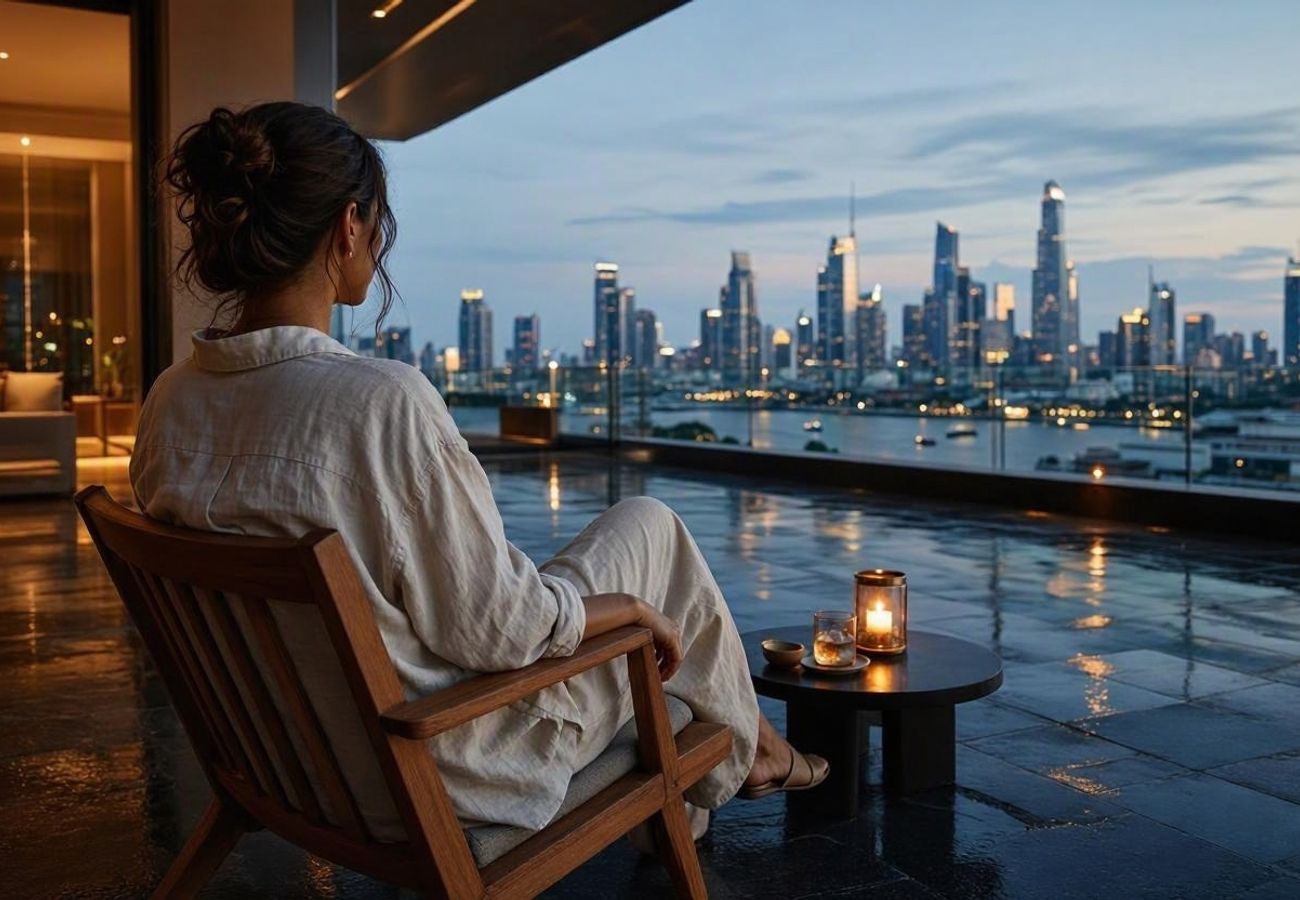
Image generated by AI
Most travelers view Thailand's hotel market as a saturated sea of luxury resorts, but a new strategic shift is moving toward "hyper-segmented" hospitality. Marriott International and FICO Corporation are not just adding rooms; they are deploying a surgical strike of diverse brand identities—ranging from the tech-centric citizenM to the flexible Four Points Flex—specifically designed to peel market share away from regional rivals like Singapore and Vietnam.
The Strategic Pivot in Thai Hospitality
Thailand is currently engaged in a high-stakes competition for Southeast Asian dominance. While the country has long relied on its cultural allure, the latest partnership between Marriott International and FICO Corporation signals a move toward a more sophisticated, tiered accommodation strategy. By diversifying the types of stays available in Bangkok, Pattaya, and Phuket, Thailand is attempting to capture every possible traveler persona, from the high-net-worth executive to the budget-conscious digital nomad.
This expansion is a direct response to the evolving demands of the international visitor. The goal is to move beyond the "one-size-fits-all" resort model and instead offer specific environments that match the rhythm of the city or the vibe of the coast.
What Makes These Destinations Different
The rollout is not uniform; it is tailored to the specific economic and social drivers of each hub.
Bangkok: The Urban Laboratory In the capital, the focus is on versatility. The introduction of JW Marriott caters to the luxury tier, focusing on high-service wellness and corporate facilities. Conversely, citizenM targets the "modern urban explorer"—travelers who prioritize smart-room technology and social lobbies over traditional concierge services. Then there is Four Points Flex by Sheraton, which fills the gap for functional, value-driven stays for those on short city breaks.
Pattaya: The Hybrid Escape Pattaya is shifting its image from a purely nightlife-driven spot to a versatile coastal break. The introduction of Series by Marriott is particularly interesting here. This collection allows hotels to maintain a unique, local identity while plugging into the global Marriott loyalty network. It is a move designed to attract visitors who want "authentic" local character without sacrificing the reliability of a global brand.
Phuket: The Leisure Anchor As the primary gateway for long-term leisure and island hopping, Phuket continues to be the anchor for resort-style expansions, ensuring that the luxury pipeline remains full to compete with the emerging high-end markets in Vietnam.
Hotel Concept Comparison
| Brand | Target Audience | Primary Focus | Key Location |
|---|---|---|---|
| JW Marriott | Luxury/Corporate | Premium service & wellness | Bangkok |
| citizenM | Tech-savvy Urbanites | Design, efficiency, technology | Bangkok |
| Four Points Flex | Value-seekers/Short-stays | Functionality & affordability | Bangkok |
| Series by Marriott | Boutique Lovers | Local character & identity | Pattaya |
Visitor Insider Tips
Having spent significant time navigating the Thai hospitality scene, I recommend these local strategies for those visiting these hubs:
- Bangkok Base: If you are staying in the new urban-centric hotels, avoid the Sukhumvit main road during rush hour (4 PM – 8 PM). Use the Bangkok Mass Transit System (BTS) or river taxis to move between districts.
- Pattaya Timing: To avoid the heaviest crowds, visit Pattaya as a mid-week extension of a Bangkok trip. The "Series" style boutique hotels are best explored in the quieter areas away from Walking Street for a more authentic experience.
- Phuket Logistics: When booking luxury resorts, always check the proximity to the "Old Town." While the beaches are the draw, the cultural heart of Phuket is in the town center, where the best local eateries are located.
- Etiquette Note: Regardless of how modern the hotel is, remember that Thai culture values Greng Jai (consideration for others). Soft tones and a polite Wai (bow) go further than any loyalty status when dealing with local staff.
Cultural and Environmental Context
The rapid expansion of global chains like Marriott creates a complex tension between international standardization and local heritage. While these developments bring significant investment and jobs, there is a growing push for "regenerative tourism."
The use of the Series by Marriott model in Pattaya is a nod to this need for preservation; by allowing hotels to keep their individual identities, the brand avoids the "cookie-cutter" effect that often erases local architectural nuances. Furthermore, the Tourism Authority of Thailand (TAT) has been increasingly pushing for sustainable development to protect the fragile ecosystems of Phuket and the Gulf of Thailand from over-development. Visitors are encouraged to support hotels that implement plastic-free initiatives and employ local community members in leadership roles.
FAQ: Visiting Thailand 2026
What is the best time to visit Bangkok and Phuket? The cool, dry season from November to February is ideal. However, visiting during the "shoulder" months of May or September often yields better rates at luxury properties like the JW Marriott.
Do I need a visa for Thailand in 2026? Visa requirements vary by nationality. Many Western travelers benefit from visa-exemption schemes, but you should check the official Thai Embassy website for the most current entry requirements.
How do I get from Bangkok to Pattaya? The most efficient way is via a private car or shuttle service, typically a 2-hour drive. For a more local experience, public buses from the Ekkamai Terminal are available and affordable.
Is it safe for solo travelers? Yes, Thailand is generally very safe for solo travelers. Using reputable brands like Marriott provides an added layer of security and reliable communication for those unfamiliar with the region.
The battle for Southeast Asian luxury is no longer about who has the most rooms, but who understands the traveler's psyche the best.
Related Travel Guides
Disclaimer
This article is for informational and educational purposes only. It does not constitute legal, financial, or professional advice. While we strive to provide accurate and up-to-date information, travel policies, regulations, and conditions change rapidly. Always verify information with official sources before making travel decisions. Nomad Lawyer makes no representations about the accuracy, reliability, completeness, or suitability of the information provided. Readers should consult qualified professionals for advice specific to their circumstances. The views expressed in this article are those of the author and do not necessarily reflect the views of Nomad Lawyer.
Kunal K Choudhary
Co-Founder & Contributor
A passionate traveller and tech enthusiast. Kunal contributes to the vision and growth of Nomad Lawyer, bringing fresh perspectives and driving the community forward.
Learn more about our team →