
South Water Caye Marine Reserve Guide: Snorkeling and Accommodation Options in Belize 2026
Explore the South Water Caye Marine Reserve in southern Belize, comparing shore snorkeling from island resorts with boat excursions from mainland hubs like Placencia and Hopkins.

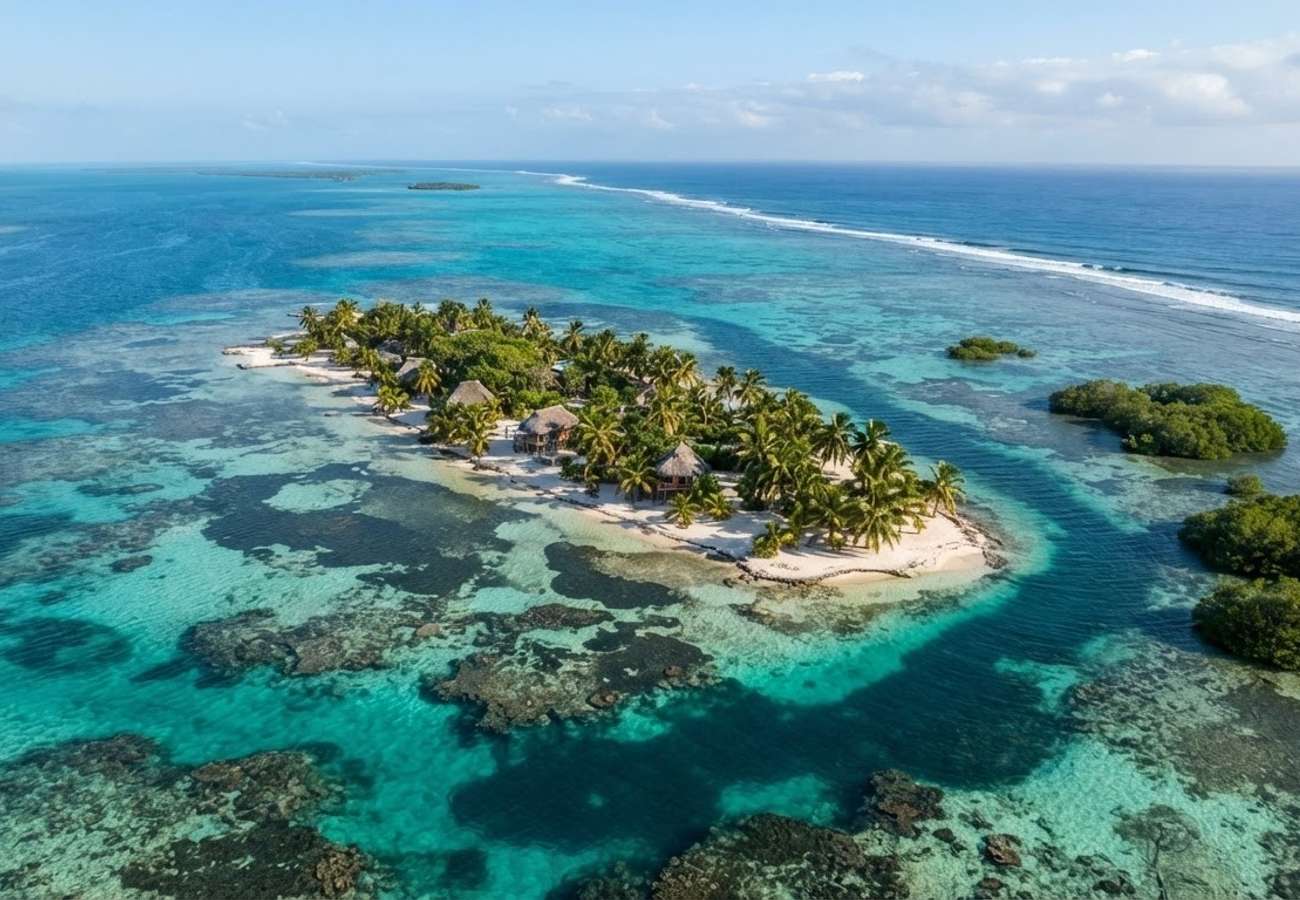
Image generated by AI
For travelers seeking immediate access to a living coral reef without the need for long boat transfers, South Water Caye in southern Belize offers a rare combination of shore-accessible marine life and protected biodiversity. Located within the expansive South Water Caye Marine Reserve, this destination allows visitors to transition from beach sand to coral walls in minutes, though mainland hubs like Placencia, Hopkins, and Dangriga remain the primary logistical gateways for most tourists.
The appeal of South Water Caye lies in its geography. While many Caribbean destinations require significant nautical travel to reach the "drop-off" or the main barrier, this specific region of the Belize Barrier Reef sits remarkably close to the island's edge. This proximity transforms the snorkeling experience from a scheduled event into a spontaneous activity.
Navigating the South Water Caye Marine Reserve
The South Water Caye Marine Reserve stands as the largest protected maritime area within the Belize Barrier Reef system, situated off the coast of the Stann Creek District. This protected zone is a complex ecosystem comprising barrier reefs, patch reefs, seagrass meadows, and mangrove-dense cayes. Because South Water Caye is positioned near the center of this reserve, it serves as a strategic vantage point for exploring diverse aquatic habitats.
Industry reports indicate that the reserve is highly valued for its ecological variety. Within a single 24-hour window, a visitor can experience three distinct environments: the shallow, vibrant coral gardens near the shoreline, the deeper spur-and-groove formations found in the channels, and the expansive seagrass beds where southern stingrays and eagle rays congregate to feed. Additionally, excursions to nearby mangrove cayes reveal a different biological profile, featuring juvenile fish and unique species like upside-down jellyfish.
Access to these waters is strictly regulated to ensure environmental preservation. Visitors are generally required to employ licensed guides and pay mandatory park fees. These regulations enforce "no-touch, no-take" policies, preventing tourists from damaging the fragile coral structures or removing marine life. Guides are essential not only for legal compliance but for safety, as they monitor currents and identify the safest entry points to avoid boat channels and reef crests.
Compared to the high-traffic zones of the Hol Chan Marine Reserve near Ambergris Caye, South Water Caye remains a quieter alternative. This lower density of tourism means that snorkelers often encounter fewer crowds, though the trade-off is a longer transit time for those basing themselves on the mainland.
Shore Snorkeling Logistics at South Water Caye
The primary advantage of staying on the island is the ability to snorkel directly from the shore. At established properties such as Blue Marlin Beach Resort and Pelican Beach Resort, guests can enter the water from the docks or the southern beach. By following sandy channels, swimmers can reach low coral ridges and patch reefs populated by brain corals, fan corals, and large schools of blue tangs.
For the guest, this means the ability to integrate snorkeling into a daily routine. Rather than waiting for a scheduled tour, visitors can spend 30 to 45 minutes exploring the near-reef zone before breakfast or returning at sunset to observe snappers and grunts moving through the shallows. This level of autonomy is a significant draw for experienced water enthusiasts.
However, shore access requires a keen understanding of ocean conditions. The reef crest can amplify wave energy and currents, particularly during trade winds or winter cold fronts. Local operators typically advise against crossing the reef crest or attempting to reach deep drop-offs without professional guidance. Instead, novice snorkelers are directed to the lee-side beaches, where they can safely observe juvenile fish and scattered coral heads in calmer waters.
Exploring Boat-Accessible Sites and Deep Water Habitats
While shore snorkeling is convenient, the most dramatic geological formations and diverse species are located further out. Most island resorts and mainland operators provide half-day or full-day excursions to reach these high-value sites. Frequent destinations include the channels between Carrie Bow Caye and South Water Caye, the patch reefs surrounding Twin Cayes, and outer barrier sites known as Angel Reef.
These boat-accessed locations offer a different visual experience, featuring massive barrel sponges and star corals on steeper reef faces. In these deeper currents, snorkelers often spot Creole wrasse and horse-eye jacks. Many itineraries combine these dives with visits to "picnic cayes" such as Bread and Butter or Tobacco Caye.
The reserve's mangrove systems provide a critical contrast to the open reef. Tours departing from Dangriga or Hopkins often include drifts around Twin Cayes, where red mangrove roots create a nursery for schoolmaster snappers and juvenile barracuda. This intersection of mangrove, seagrass, and coral highlights the interdependence of the Belizean marine ecosystem.
For those with SCUBA certification, the reserve is equally attractive. Dive shops in Placencia and Hopkins frequently organize two-tank dives that follow the contour of the coral ridges before descending into sandy channels. These trips often accommodate mixed groups, allowing divers to explore the depths while snorkelers observe turtles and rays from the surface.
Comparing Accommodations: Island Resorts vs Mainland Hubs
Choosing a base of operations depends on the traveler's priority regarding budget, convenience, and amenities.
| Feature | South Water Caye (Island Stay) | Mainland (Hopkins, Dangriga, Placencia) |
|---|---|---|
| Reef Access | Immediate / Shore-based | Boat-dependent (30-60 min transit) |
| Cost | Generally higher per night | Wide range (Budget to Luxury) |
| Dining/Nightlife | Limited to resort options | Diverse restaurants, bars, and cafes |
| Atmosphere | Secluded, nature-focused | Cultural, social, and bustling |
| Flexibility | Spontaneous snorkeling | Scheduled tour departures |
Staying on the caye provides a "living on the reef" experience but limits access to external services. Conversely, mainland towns offer a broader cultural experience and more varied lodging, from simple guesthouses to mid-range beachfront hotels.
From Hopkins, full-day excursions typically involve a 30 to 45-minute boat ride, multiple snorkel stops, and a beach lunch. Dangriga, being geographically closer to the reserve, offers a growing number of outfitters and often shorter transit times to the marine protected areas.
Why This Matters for the Modern Traveler
For the traveler, the choice between a caye stay and a mainland base is a trade-off between autonomy and infrastructure. Staying on South Water Caye removes the "clock" from the experience; you are not beholden to a boat captain's schedule, allowing for a deeper, more meditative connection with the ocean. This is ideal for those practicing "slow travel" or those with a high comfort level in the water.
From a logistical standpoint, basing in Placencia or Hopkins is more sustainable for those on a budget or those who prefer a variety of culinary and social experiences. However, it transforms the reef into a "destination" rather than a "backyard." For families or novice snorkelers, the mainland approach is often safer and more structured, as every interaction with the reef is mediated by a professional guide from start to finish.
Ultimately, the South Water Caye Marine Reserve represents one of the last frontiers in Belize where the barrier reef feels truly accessible, provided the visitor respects the strict environmental regulations designed to keep these waters pristine for 2026 and beyond.
A journey to the southern reef is as much about the silence of the mangroves as it is about the color of the coral.
Related Travel Guides
Disclaimer
This article is for informational and educational purposes only. It does not constitute legal, financial, or professional advice. While we strive to provide accurate and up-to-date information, travel policies, regulations, and conditions change rapidly. Always verify information with official sources before making travel decisions. Nomad Lawyer makes no representations about the accuracy, reliability, completeness, or suitability of the information provided. Readers should consult qualified professionals for advice specific to their circumstances. The views expressed in this article are those of the author and do not necessarily reflect the views of Nomad Lawyer.
Preeti Gunjan
Contributor & Community Manager
A passionate traveller and community builder. Preeti helps grow the Nomad Lawyer community, fostering engagement and bringing the reader experience to life.
Learn more about our team →