
South Korea Revives Abandoned DMZ Border Railway Project for Future Tourism
South Korea resumes Gyeongwon Line restoration near the DMZ, creating a future transport gateway for environmental, historical, and regional border tourism.

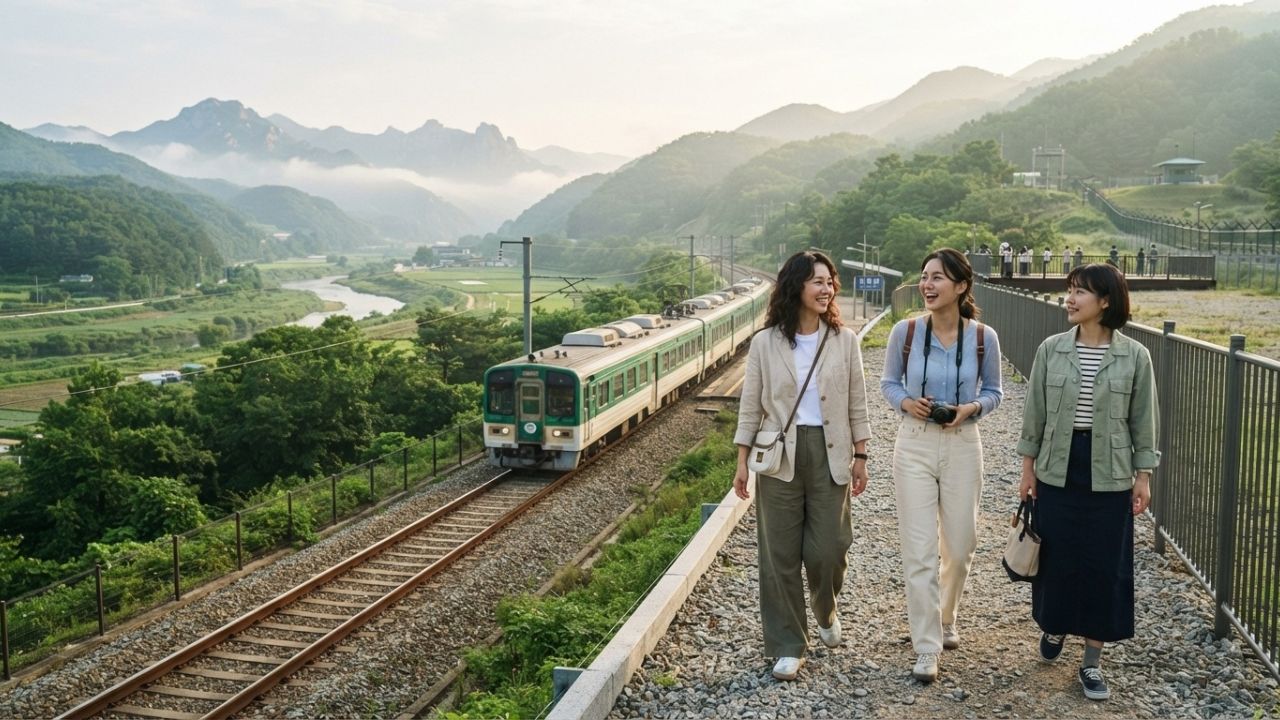
Image generated by AI
South Korea is moving ahead with plans to revive the Gyeongwon Line railway project near the Demilitarized Zone (DMZ), establishing a critical gateway for future travel and border tourism.
Rebuilding the DMZ Transit Corridor
The development of transport networks in border regions represents a key element of South Korea's long-term infrastructure strategy. In an effort to prepare for future regional connectivity, Seoul is resuming work on the Gyeongwon Line restoration project. The Gyeongwon Line has long been considered a historically significant corridor, having connected the southern and northern parts of the Korean Peninsula before division disrupted transportation.
The restoration initiative was originally launched in 2015 as a major infrastructure step to build regional links. However, the project was suspended in 2016 as security concerns and diplomatic disagreements between the two nations intensified. According to the official plans released by the South Korean Ministry of Unification, the revived connection will rebuild a disconnected section of railway line close to the Demilitarized Zone (DMZ). Rebuilding this border infrastructure is expected to provide safe transport access to border regions and support long-term economic integration.
By focusing on this border corridor, the government is looking beyond current security barriers. Rebuilding this section of the Gyeongwon Line keeps the possibility of future transport expansion open, showing that infrastructure planning can continue even during periods of diplomatic uncertainty.
Accessing the Wonsan-Kalma Coastal Resort
The strategic value of the Gyeongwon Line is further enhanced by its potential connection to North Korea's eastern coast, particularly the Wonsan region. Wonsan has been a major focus of tourism development in the North, centered around the Wonsan-Kalma coastal resort area. This large-scale resort development contains beachfront facilities and visitor infrastructure designed to expand tourism capacity.
A fully restored Gyeongwon Line could serve as a direct rail link connecting South Korea to Wonsan if cross-border relations resume. This connection would open significant travel corridors and support economic exchanges, allowing tourists to travel directly to the eastern coast by train.
However, the execution of this vision faces immediate barriers. In recent years, North Korea has taken physical steps to dismantle cross-border transport infrastructure, including destroying sections of previously linked roads and railways. While these actions present significant political challenges, South Korea’s decision to resume its side of the railway project demonstrates a commitment to keeping future transport options alive.
Funding Border Development and Regional Integration
To support the regional development strategy, South Korea is also examining ways to expand the role of its Inter-Korean Cooperation Fund. Established to support humanitarian programs, cultural exchanges, and joint economic projects involving the North, the fund has seen very low usage over the last ten years due to stalled cross-border relations.
With most direct cooperation programs suspended, the proposed adjustments would allow the fund to be utilized for border-area development projects, peace-related economic initiatives, and research programs. This realignment ensures that available resources are put to productive use, helping to fund infrastructure and support local communities.
These border communities have historically experienced slower economic growth due to strict security measures and limited development opportunities. By directing resources toward regional railway stations, historical museums, and peace parks, the government aims to create new business opportunities for local tourism operators, transport providers, and independent shops.
Gyeongwon Line Infrastructure Specifications
| Project Parameter | Details & Historical Milestones |
|---|---|
| Railway Line | Gyeongwon Line (border section near the DMZ) |
| Initial Launch Year | 2015 |
| Suspension Year | 2016 (due to rising security concerns and diplomatic disputes) |
| Strategic Travel Destination | Wonsan-Kalma coastal resort area (North Korea's eastern coast) |
| Financial Backing Mechanism | Inter-Korean Cooperation Fund (realignment proposed for border development) |
| Primary Project Objective | DMZ border tourism expansion and long-term regional transit integration |
Strategic Takeaways for Border Regional Tourism
- Long-Term Planning: The Gyeongwon Line restoration project serves as a key foundation for future transport links despite current geopolitical challenges.
- Economic Boost: Improved rail access is expected to revitalize border communities that have historically faced slower growth due to strict security regulations.
- Resort Connectivity: The project preserves the long-term potential for a rail link to the Wonsan-Kalma coastal resort area on North Korea's eastern coast.
- Flexible Funding: Realignment of the Inter-Korean Cooperation Fund ensures resources can be used for border development even while direct cooperation is suspended.
Frequently Asked Questions: DMZ Railway Restoration
Why was the Gyeongwon Line project suspended?
The Gyeongwon Line restoration was originally suspended in 2016, just one year after its launch, due to rising security concerns and diplomatic disputes between South and North Korea.
How will the project benefit local border communities?
Improved railway infrastructure will make DMZ tourism sites more accessible, supporting local businesses, tourism operators, and communities that have faced slow economic growth.
What is the Inter-Korean Cooperation Fund's role?
South Korea plans to expand the fund's scope to support border development, peace economic initiatives, and research, ensuring resources are utilized while direct cross-border projects remain paused.
Related Travel Guides
Disclaimer
This article is for informational and educational purposes only. It does not constitute legal, financial, or professional advice. While we strive to provide accurate and up-to-date information, travel policies, regulations, and conditions change rapidly. Always verify information with official sources before making travel decisions. Nomad Lawyer makes no representations about the accuracy, reliability, completeness, or suitability of the information provided. Readers should consult qualified professionals for advice specific to their circumstances. The views expressed in this article are those of the author and do not necessarily reflect the views of Nomad Lawyer.
Kunal K Choudhary
Co-Founder & Contributor
A passionate traveller and tech enthusiast. Kunal contributes to the vision and growth of Nomad Lawyer, bringing fresh perspectives and driving the community forward.
Learn more about our team →