South Korea Prepares for Jinju Namgang Yudeung Festival 2026 Opening October 3

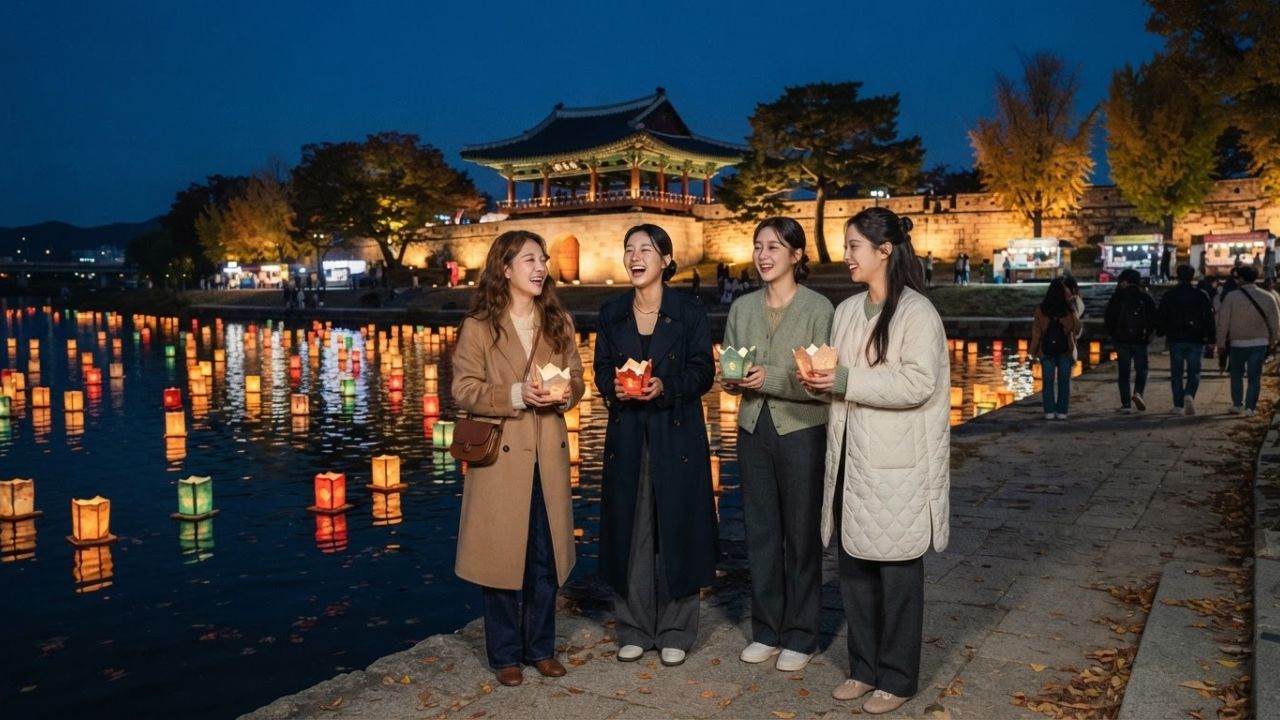
South Korea’s historic city of Jinju will host the Jinju Namgang Yudeung Festival from October 3 to October 18, 2026. Set along the Namgang River and Jinju Fortress in Gyeongsangnam-do, the 16-day autumn festival combines floating lantern displays, wishing light installations, and traditional performances to drive night tourism in the southern province.
[JINJU, South Korea] — Tourism authorities in South Gyeongsang Province (Gyeongsangnam-do) are preparing for international visitor arrivals ahead of the Jinju Namgang Yudeung Festival 2026. Staged annually along the banks of the Namgang River, the autumn festival will operate across a 16-day schedule running from October 3 through October 18, 2026.
Centering around the historic Jinju Fortress grounds, the celebration illuminates the riverway with thousands of hand-crafted floating lanterns (yudeung), interactive wishing tunnels, and large-scale light sculptures. The festival offers international travelers a cultural alternative to metropolitan hubs like Seoul and Busan, promoting regional travel across South Korea's southern peninsula.
Namgang River Floating Lantern Exhibitions Anchor October 3–18 Staging
The term yudeung refers to the traditional Korean custom of floating paper lanterns on water. Rooted in military signal tactics used during the 1592 Jinjuseong Fortress battle during the Imjin War, the modern festival transforms historic defense traditions into a peaceful cultural exhibition.
Key festival attractions across the October 3–18 schedule include:
- Floating Lantern Installations: Hundreds of illuminated structures floating along the Namgang River, representing traditional Korean folklore, historical figures, and modern artistic themes.
- Wishing Lantern Tunnel: An interactive walkway lined with thousands of illuminated red and yellow paper lanterns inscribed with personal messages from visitors.
- Jinju Fortress Night Illumination: Historic stone walls and pavilions of Jinjuseong Fortress outlined with LED light displays and traditional lanterns.
- Cultural Performances: Live traditional Korean folk music (gugak), street parades, martial arts demonstrations, and evening fireworks over the river.
The combination of historic stone architecture, floating river lights, and evening entertainment makes the festival one of South Korea's premier night tourism attractions.
Regional Transit Links Connect Seoul and Busan to Gyeongsangnam-do
Located in South Gyeongsang Province, Jinju functions as a primary cultural gateway connected to major national transport networks. The city’s location allows domestic and international travelers to integrate the lantern festival into broader autumn travel routes across southern South Korea.
Transit routing options for visitors include:
- High-Speed Rail from Seoul: Travelers departing Seoul Station or Yongsan Station can access KTX high-speed train services arriving at Jinju Station in approximately 3 hours and 30 minutes.
- Regional Connections from Busan: Express buses and regional rail lines connect Busan to Jinju in roughly 1 hour and 30 minutes, making the festival an accessible day-trip or overnight excursion.
- Local Shuttle and Walkways: Festival zones along the Namgang River and Jinju Fortress are connected via pedestrian bridges, illuminated walkways, and municipal shuttle buses.
Because peak evening weekend hours draw heavy visitor volumes, local tourism boards recommend reserving hotel accommodations near Jinju city center well in advance.
Night Tourism Growth and Regional Economic Dispersal
Promoting night tourism events like the Jinju Namgang Yudeung Festival aligns with South Korea’s national tourism strategy to disperse international visitors beyond the capital city. Extending tourist activity into the evening hours increases length of stay and drives visitor spending across regional hospitality businesses.
The economic impact of the 16-day autumn staging includes:
- Hospitality and Accommodation Surges: High occupancy rates across regional hotels, traditional hanok stays, and local guesthouses in Gyeongsangnam-do.
- Food and Beverage Commerce: Direct visitor spending across night markets and street food stalls offering regional delicacies like Jinju bibimbap and grilled eel.
- Cultural Preservation Funding: Event revenues support local artisans, lantern-making workshops, and historical preservation initiatives at Jinju Fortress.
Diverting autumn tourist traffic into South Gyeongsang Province strengthens regional municipal economies while showcasing authentic Korean cultural traditions.
Jinju Namgang Yudeung Festival 2026 Event Benchmark Profile
| Event Parameter | Official Festival Benchmark / Operational Specification |
|---|---|
| Official Event Name | Jinju Namgang Yudeung Festival 2026 (진주남강유등축제) |
| Location & Region | Jinju, Gyeongsangnam-do (South Gyeongsang Province), South Korea |
| Festival Staging Period | October 3, 2026 – October 18, 2026 (16-Day Event Window) |
| Primary Event Venues | Namgang Riverfront & Historic Jinju Fortress (Jinjuseong) Grounds |
| Core Cultural Theme | Floating Water Lanterns (Yudeung), Wishing Lights, & Night Illumination |
| Historical Foundation | Military River Signal Lanterns from the 1592 Battle of Jinjuseong |
| Key Attractions | Floating River Exhibits, Wishing Lantern Tunnel, Fortress Lights, & Fireworks |
| Transit Access - Seoul | KTX High-Speed Rail (~3.5 Hours) or Intercity Express Bus |
| Transit Access - Busan | Regional Express Bus / Rail (~1.5 Hours, Ideal Day-Trip Distance) |
| Peak Visitor Window | Evening Hours (Sunset to 23:00) for Full River Illumination Viewing |
Economic Analysis: Cultural Festivals Drive Secondary Market Growth
International demand for experiential cultural travel continues to expand across Asia. By staging large-scale illuminated art exhibitions, Jinju competes effectively alongside major Asian autumn festivals, positioning South Gyeongsang Province as a destination for cultural photography and heritage travel.
The commercial benefits of the festival model include:
- Extended Outbound Itineraries: Encourages international travel agencies to design multi-destination South Korea tours combining Seoul, Gyeongju, Busan, and Jinju.
- Seasonal Tourism Balance: Captures high autumn travel volume during South Korea's October national holiday period.
- Independent Traveler Appeal: Clear public transport links and English-language visitor signage allow independent travelers to explore non-capital cities safely.
Positioning Jinju as a top-tier night tourism destination ensures sustainable long-term demand for regional tourism infrastructure.
Why This Matters (Information Gain & Experience)
For international travelers visiting South Korea in October, attending the Jinju Namgang Yudeung Festival offers a visually striking cultural experience outside major metropolitan centers. Walking through the illuminated grounds of Jinju Fortress and launching personal wishing lanterns onto the Namgang River provides an interactive connection to Korean heritage.
From a practical planning standpoint, scheduling visits during weekday evenings avoids heavy domestic weekend crowds. Combining an evening at the lantern festival with daytime visits to historic Jinju Fortress and local food markets allows travelers to maximize their autumn itinerary in Gyeongsangnam-do.
Frequently Asked Questions
What are the dates for the Jinju Namgang Yudeung Festival 2026?
The Jinju Namgang Yudeung Festival 2026 runs for 16 days, starting on October 3 and concluding on October 18, 2026.
Where is the festival held?
The festival takes place in Jinju, Gyeongsangnam-do, South Korea, centered along the Namgang River and within the historic grounds of Jinju Fortress (Jinjuseong).
How do travelers get to Jinju from Seoul and Busan?
From Seoul, travelers can take KTX high-speed trains to Jinju Station (approx. 3.5 hours) or intercity buses. From Busan, regional buses and trains reach Jinju in about 1.5 hours.
What is the history behind the Jinju floating lanterns?
The floating lanterns (yudeung) originate from the 1592 Battle of Jinjuseong during the Imjin War, when Korean forces used river lanterns as military signals and to communicate with family members outside the fortress.
Related Travel Guides
This article is for informational purposes. Flight routes, passenger regulations, visa rules, and transit advisories are subject to change by airlines and aviation authorities. Readers are advised to verify schedules and travel documentation with relevant carriers and border agencies before departure.
Related Stories

Café Gran Batey Utuado 2026: Analyzing the Economics of Puerto Rico's Family-Run Coffee Farms
10 Best New Mexico Desert Road Trips Reddit Travelers Recommend in 2027