
South Korea Creates Autumn Travel Wave 2026 With Powerful Discounts for Affordable Seasonal Adventures
South Korea Creates Autumn Travel Wave 2026 With Powerful Discounts for Affordable Seasonal Adventures

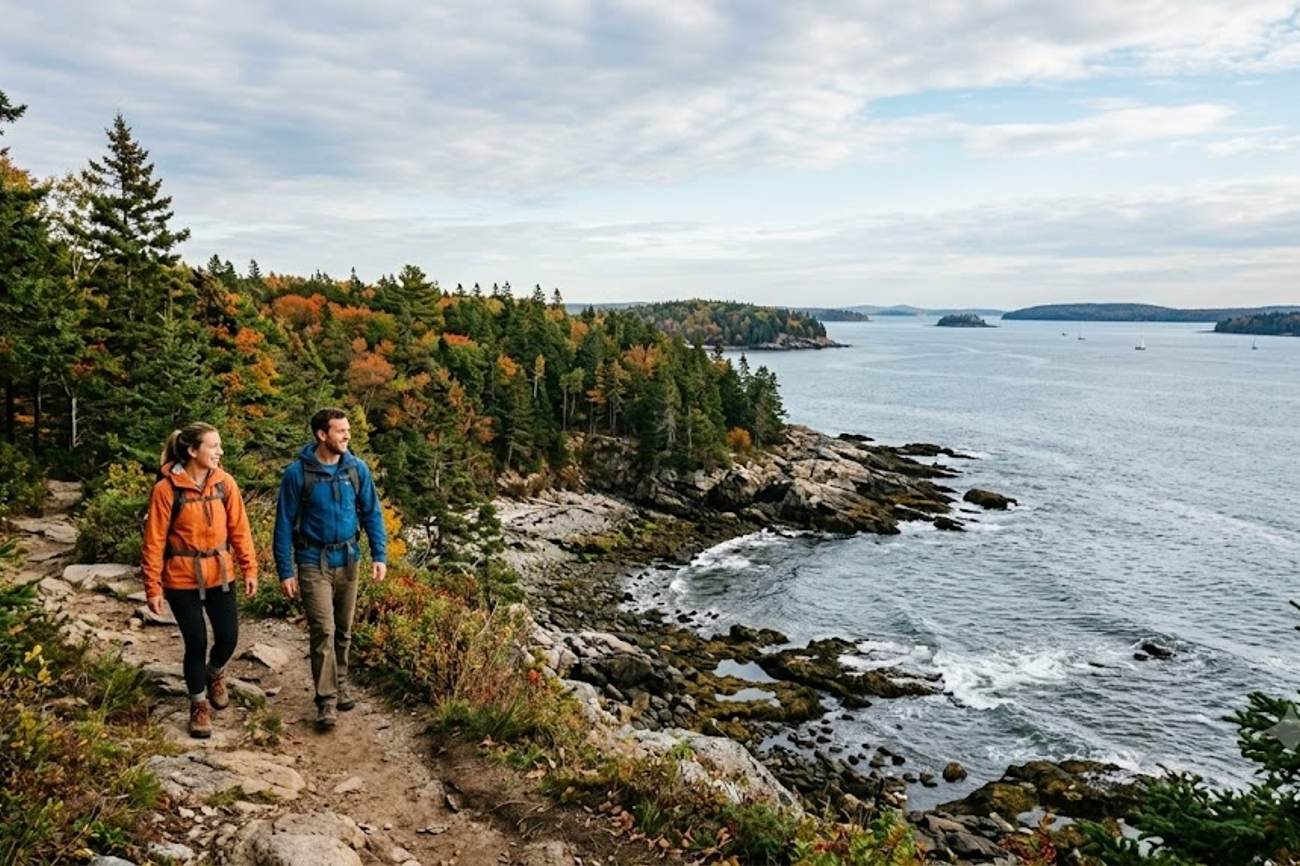
Image generated by AI
South Korea is paying people to visit its shrinking towns. In an unprecedented move to combat regional depopulation, the government is offering reward points to drivers who use navigation apps to visit specific "population-declining areas" during the 2026 autumn season.
The Shift Toward "Lighter Travel" in 2026
For years, the autumn rush in South Korea has been a concentrated surge toward a few iconic spots—think the maple leaves of Seoraksan or the palaces of Seoul. However, the Korea Tourism Organization and the Ministry of Culture, Sports and Tourism are pivoting. Their 2026 "Deeper Autumn, Lighter Travel" campaign, running from October to November, is less about promoting the "must-sees" and more about subsidizing the "unseen."
The goal is a deliberate redistribution of wealth. By slashing costs for transportation and lodging, the state is attempting to steer the flow of visitors away from the saturated metropolitan hubs and into the quiet, rural corridors of the peninsula. This isn't just a discount sale; it is a strategic economic intervention designed to inject liquidity into small-town businesses and revive communities that have seen their youth migrate to the cities.
What Makes the Korean Autumn Experience Unique
Autumn in Korea is more than just a change in weather; it is a cultural shift. The period between October and November is when the country transforms into a palette of deep reds and burnt oranges. While most travelers stick to the UNESCO World Heritage sites in the capital, the true soul of the season is found in the regional provinces.
The experience is defined by a specific kind of stillness. In the non-metropolitan areas, you find "hanok" villages where the air smells of burning wood and drying persimmons. The 2026 initiative specifically targets these areas, offering 80,000 accommodation discount coupons for stays outside major cities. These vouchers can reduce lodging costs by up to 70,000 won, making the traditional guesthouse experience accessible to those who would otherwise stick to budget hotels in Seoul.
For those who prefer the coast or the periphery, the campaign introduces an island travel discount program. Visitors can secure vouchers worth up to 50,000 won for island destinations, encouraging a move toward the slower rhythms of the archipelago. Even the outdoor community is catered to, with 10,000 won coupons specifically for camping, acknowledging the massive local trend of "chabak" (car camping) during the foliage peak.
Visitor Insider Tips
To make the most of the 2026 incentives, you need to navigate the system like a local. The most significant savings aren't found on a website, but through specific digital behaviors.
The Navigation Hack If you are renting a car, don't just use a generic map. Use the approved navigation services tied to the campaign. By routing yourself to designated population-declining areas, you can earn up to 30,000 reward points. This is the government's way of gamifying rural exploration.
The Rail Strategy Rail travel is the backbone of regional exploration. For 2026, the government is offering a 20,000 won discount on rail travel passes. More importantly, certain regional attractions provide vouchers that can cover the full cost of your train fare. Always check the local tourism office upon arrival at a regional station to see if your destination qualifies for a fare refund.
Maximizing the Regional Vacation Support This is where the biggest financial wins are. The government is offering refunds for half of eligible travel expenses via mobile local gift certificates. General visitors can recoup up to 100,000 won, but younger travelers—a demographic the government is desperate to attract to the countryside—can receive up to 140,000 won. Use these certificates at local markets and family-run eateries to experience authentic regional cuisine.
Timing Your Trip Align your visit with the Korea Grand Festival, which runs from late October to mid-November 2026. This period merges the tourism discounts with nationwide shopping promotions, allowing you to combine sightseeing with high-value shopping. For the most authentic experience, base yourself in a provincial city like Gyeongju or Jeonju rather than Seoul.
Cultural and Environmental Context
The 2026 campaign is a response to two pressing issues: regional extinction and environmental recovery. South Korea faces a severe demographic crisis where rural villages are disappearing as the population concentrates in the Seoul Capital Area. By subsidizing travel to these "vanishing" towns, the government is attempting to create a sustainable tourism economy that provides a lifeline to elderly residents and local artisans.
There is also a poignant element of recovery embedded in this initiative. Specific promotional activities and discounts are being directed toward coastal destinations that were devastated by heavy rainfall in recent years. Tourism here is being used as a tool for reconstruction, encouraging visitors to return to rain-affected areas to support businesses that are still struggling to regain their footing.
Furthermore, the push toward "Lighter Travel" encourages a slower pace. Instead of the "checklist" style of tourism—where visitors hit five sites in one day—the subsidies for longer stays and camping promote a more mindful interaction with the environment. This reduces the concentrated pressure on "over-touristed" spots and spreads the environmental footprint across a wider geographic area. For more information on official travel guidelines, visitors should consult Visit Korea.
FAQ: Visiting South Korea Autumn 2026
What is the best time to visit for the discounts? The primary window is October and November 2026. For the maximum overlap of tourism vouchers and shopping rewards, aim for the period between late October and mid-November during the Korea Grand Festival.
How do I access the transportation rewards? Road rewards (up to 30,000 points) are claimed via specific navigation apps when visiting declining population areas. Rail and flight discounts are typically applied through booking platforms or as vouchers at regional tourist hubs.
Is it safe for solo travelers to visit rural areas? Yes, South Korea is exceptionally safe for solo travelers. Rural areas are generally welcoming, and the increase in government-backed tourism infrastructure in these regions has improved signage and English-language support.
Do I need a visa for a short autumn trip? Visa requirements depend on your nationality. Many travelers can enter via the K-ETA (Korea Electronic Travel Authorization). Check the official embassy website or the Korea Tourism Organization for the most current entry requirements.
Trade the neon lights of Myeongdong for the crimson forests of the provinces—your wallet will thank you.
#SouthKoreaTravel2026 #AutumnInKorea #RegionalKoreaTourism #KoreaGrandFestival #VisitKorea2026
Related Travel Guides
- Unlock Epirus: How Denmark’s Terræn Tours is Redefining Greece Travel Beyond the Beaches
- Taiwan Expands North America Tourism Reach With Stronger Flights, Partnerships and Visitor Growth Plans
- Latvia Sets The Record Straight On Travel Charges And Social Media Review Myths Across Historic Riga And Coastal Jūrmala, Find Out Now
Disclaimer
This article is for informational and educational purposes only. It does not constitute legal, financial, or professional advice. While we strive to provide accurate and up-to-date information, travel policies, regulations, and conditions change rapidly. Always verify information with official sources before making travel decisions. Nomad Lawyer makes no representations about the accuracy, reliability, completeness, or suitability of the information provided. Readers should consult qualified professionals for advice specific to their circumstances. The views expressed in this article are those of the author and do not necessarily reflect the views of Nomad Lawyer.
Preeti Gunjan
Contributor & Community Manager
A passionate traveller and community builder. Preeti helps grow the Nomad Lawyer community, fostering engagement and bringing the reader experience to life.
Learn more about our team →