
South Bend International Airport Targets Nonstop Flights to New York and Denver in 2026 Expansion
South Bend International Airport is aggressively pursuing new nonstop routes to New York and Denver to boost Indiana tourism and regional business connectivity.

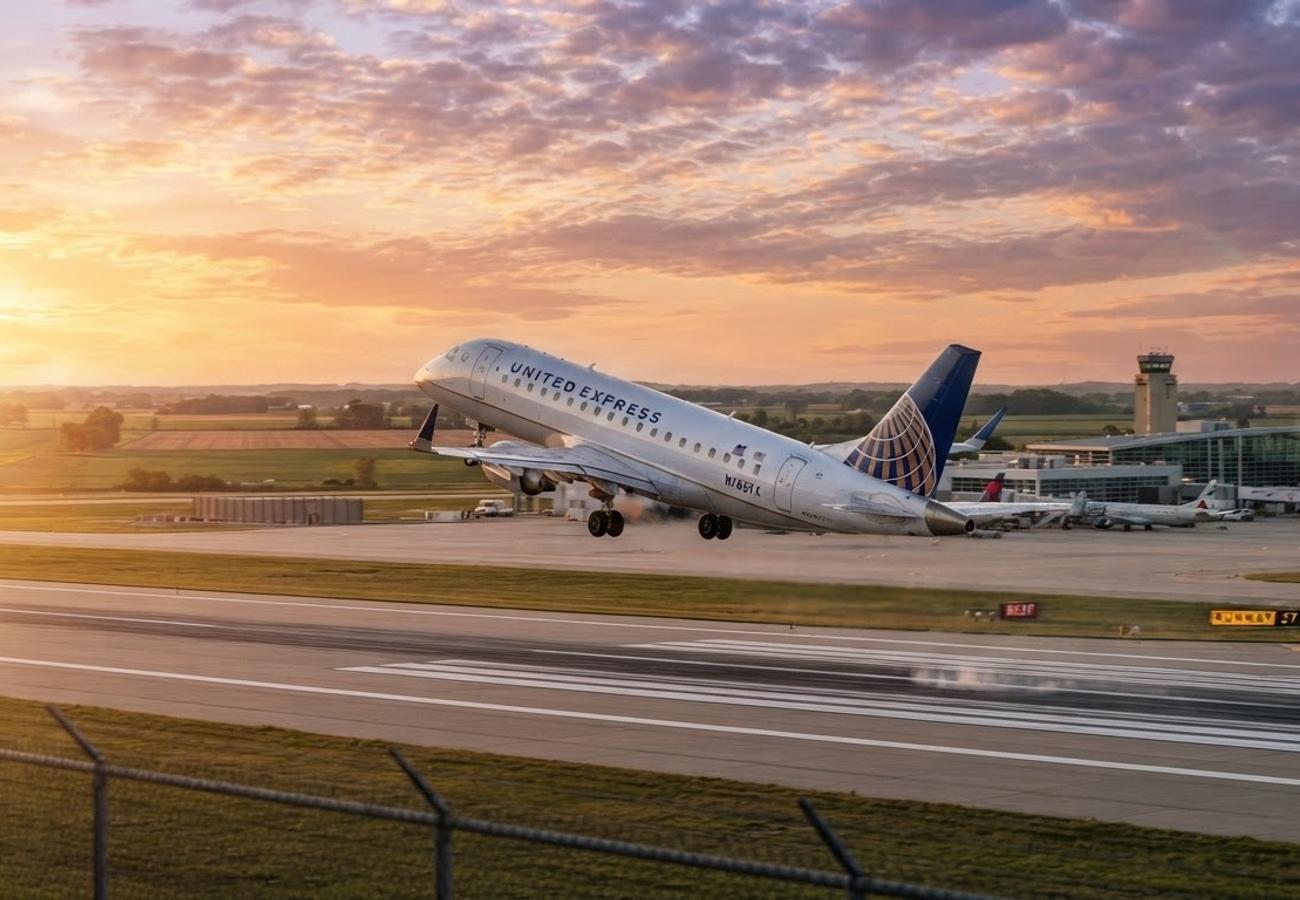
Image generated by AI
Direct air access to the East and West Coasts is the primary goal for South Bend International Airport (SBN) as it targets New York and Denver for new nonstop routes. These connections aim to eliminate the reliance on connecting hubs for Indiana residents and the wider Michiana region.
The Shift Toward Regional Aviation Autonomy
South Bend International Airport is pivoting its strategy to transform from a secondary regional strip into a primary gateway for northern Indiana and southwestern Michigan. The current push for nonstop services to New York and Denver is a calculated move to satisfy a growing demand for efficiency among business leaders, university faculty, and leisure travelers.
By targeting these two specific hubs, SBN is addressing a critical gap in the regional travel grid. New York serves as the undisputed center for global finance and media, while Denver acts as the essential portal to the Western United States and the Rocky Mountains. For the traveler, the shift means a move away from the stress of oversized hubs, offering a streamlined "curbside-to-gate" experience that larger airports cannot replicate.
The airport currently maintains a diverse carrier portfolio, serving passengers via American Airlines, Delta Air Lines, United Airlines, Allegiant Air, and Breeze Airways. Adding these high-demand routes would diversify the portfolio further, making the region more attractive for corporate investment and high-net-worth tourism.
Cultural and Environmental Value: Beyond the Flight Path
The impact of these routes extends far beyond passenger convenience. For the visitor, the real impact is the democratization of access to the Michiana region. Improved connectivity allows for a more organic flow of visitors to the University of Notre Dame for sporting events and academic conferences, as well as those visiting the region's heritage sites.
From an environmental and urban planning perspective, the expansion is tied to a multimodal transportation philosophy. The South Shore Line airport realignment is a pivotal project designed to synchronize rail and air travel. By relocating the airport rail connection and optimizing station arrangements, the region is reducing the carbon footprint associated with long-distance car commutes to distant hubs like Chicago or Indianapolis.
This integration of rail and air supports a more sustainable tourism model, encouraging visitors to use public transit to reach their final destinations in northern Indiana.
Visitor Insider Tips for the Michiana Region
For those traveling into South Bend, navigating the region requires a bit of local knowledge to avoid the crowds:
- The Notre Dame Window: If you are visiting for university events, book accommodations at least three months in advance. During home game weekends, local hotels reach 100% capacity.
- Off-Peak Exploration: Visit the region in late September or October. The autumn foliage in northern Indiana is stunning, and the crowds are significantly thinner than during the peak spring or football seasons.
- Local Dining: Skip the chains near the airport and head into downtown South Bend for authentic "Midwestern comfort" fare. Look for local eateries that highlight seasonal produce from Indiana farms.
- Transit Tip: Once the South Shore Line realignment is complete, prioritize the rail link over ride-shares for a faster, more scenic entry into the city center.
Tourism and Economic Outlook
The long-term trajectory for South Bend is one of increased economic resilience. In the modern economy, mobility equals competitiveness. By securing these routes, SBN isn't just moving people; it is moving capital. Direct flights make it easier for New York-based venture capitalists or Denver-based tech firms to visit northern Indiana for site inspections and partnership meetings.
The success of these routes depends on the competitive evaluation of airlines regarding market sustainability. However, the combination of a loyal local passenger base and improved infrastructure makes the prospect of a permanent New York-South Bend corridor highly likely, mirroring the success of previous routes to Newark Liberty International Airport.
The future of regional travel is no longer about the hub; it is about the direct connection.
Related Travel Guides
Disclaimer
This article is for informational and educational purposes only. It does not constitute legal, financial, or professional advice. While we strive to provide accurate and up-to-date information, travel policies, regulations, and conditions change rapidly. Always verify information with official sources before making travel decisions. Nomad Lawyer makes no representations about the accuracy, reliability, completeness, or suitability of the information provided. Readers should consult qualified professionals for advice specific to their circumstances. The views expressed in this article are those of the author and do not necessarily reflect the views of Nomad Lawyer.
Naina Thakur
Contributor & Travel Specialist
Travel enthusiast and legal writer covering visa regulations, responsible tourism, and cultural journeys across global destinations.
Learn more about our team →