
South America Maritime Cruise Guide 2026: Port Expansions, River Expeditions, and Cultural Routes
Explore South America's 2026 maritime cruise surge across Uruguay's deep-draft ports, Peru's Pacific corridors, Guyana's Essequibo eco-expeditions, and the Orinoco basin.

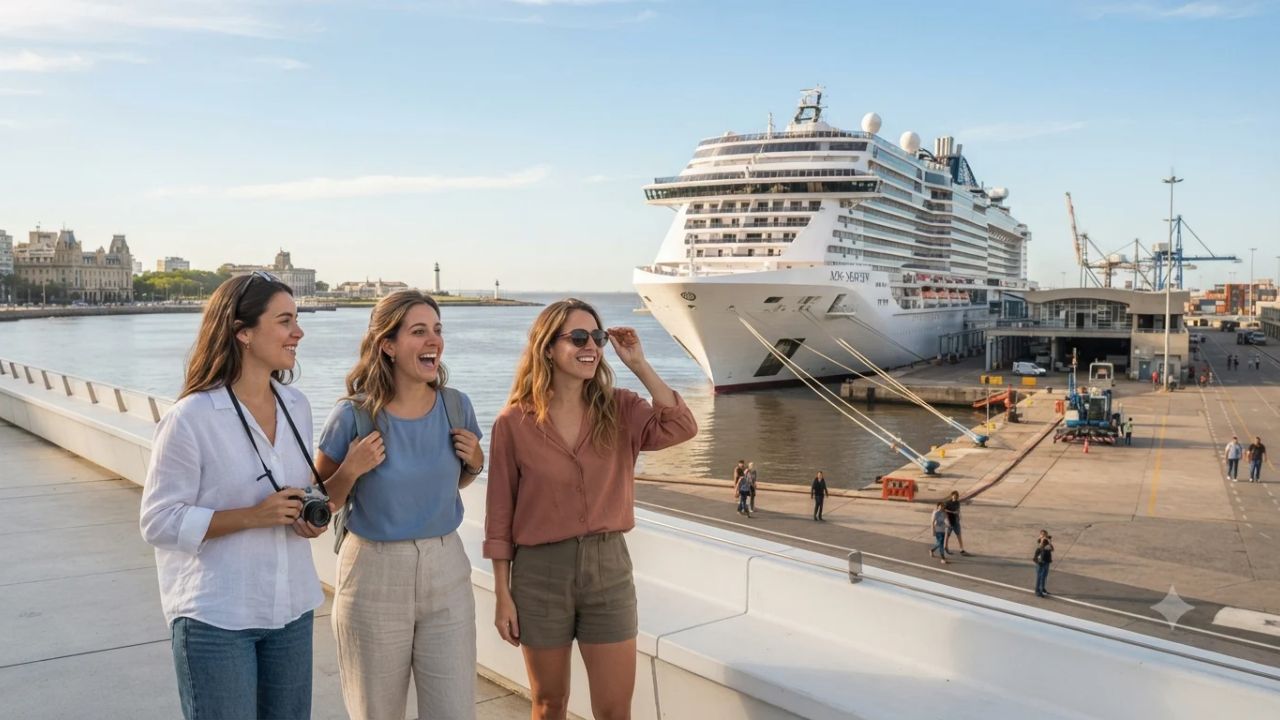
While mainstream cruise itineraries historically concentrated on Caribbean waters, South America's maritime travel market has surged to a record valuation of USD 117.05 billion in 2026, driven by an extraordinary 10.83% annual expansion in expedition cruising. From upgraded 11.5-metre draft channels along the River Plate to shallow-draught wilderness voyages carrying 120 passengers along the Orinoco, international travelers are discovering that the continent's most profound cultural treasures are best unlocked from the water.
Port Modernization and Coastal Expansion Across Four Gateways
The continental maritime surge is anchored by substantial infrastructure upgrades that accommodate both next-generation mega-liners and agile expedition vessels. According to economic data from the World Travel & Tourism Council, South America's Travel and Tourism GDP is expanding by 4.1% in 2026, comfortably outstripping global economic baselines. This growth reflects strategic port enhancements spanning the Atlantic coastline, the Pacific seaboard, and pristine equatorial river basins.
In Uruguay, comprehensive dredging and terminal overhauls at the Port of Montevideo and Punta del Este have increased draft tolerances to 11.5 metres, allowing neo-panamax ships operated by MSC Cruises, Princess Cruises, Celebrity Cruises, and Viking Ocean Cruises to complete full passenger turnarounds in under eight hours. The Ministerio de Turismo de Uruguay records quarterly visitor revenues exceeding USD 348.2 million, with cruise passengers spending an average of USD 553.6 during peak summer port calls. Meanwhile, across the Andes, PromPerú reports that Peru welcomed 1.95 million international arrivals between January and July 2026. While Jorge Chávez International Airport in Lima processes 65.9% of total entries, new express transit corridors linking the airport to Callao Port have slashed inter-modal transfer delays by 35%, enabling fly-cruise travelers to connect seamlessly between Andean highland circuits and Pacific voyages toward Paracas.
| Maritime Hub & Country | Primary Infrastructure Focus | Target Vessel Class & Capacity | Key Excursion & Cultural Highlights |
|---|---|---|---|
| Montevideo & Punta del Este (Uruguay) | 11.5-metre draft channels & under 8-hour turnarounds | Neo-panamax mega-liners (3,000+ passengers) | Historic Ciudad Vieja, Tannat wine tastings, luxury coastal promenades |
| Callao & Paracas (Peru) | Inter-modal express airport links (35% delay reduction) | Multi-destination ocean liners & coastal expedition craft | Pre-Columbian sites, Nazca Lines flyovers, Lima gastronomic districts |
| Essequibo River Basin (Guyana) | Community-run riparian docks & low-impact anchorages | Eco-expedition vessels (<200 passengers) | Kaieteur Falls access, rainforest birding, indigenous village conservation |
| Orinoco River Corridor (Venezuela) | Navigational dredging on shallow inland channels | Specialized expedition craft (<8,000 GT, ~120 passengers) | Historical Angostura landmarks, remote riverine biodiversity |
What Makes South America's Cruise Circuits Distinct
South America’s cruise network divides into two distinct yet complementary styles: high-yield Atlantic and Pacific coastal transits, and ultra-remote riverine eco-expeditions.
Along the southern Atlantic corridor, Uruguay provides a polished gateway where biometric processing gates reduce clearance times by 45%. Travelers stepping off ships in Montevideo find themselves directly in the colonial Ciudad Vieja, where historic meat markets and artisan stalls blend with private vineyard tours into the Canelones wine region. In Punta del Este, modern harbor facilities provide immediate access to Atlantic beaches and luxury open-air galleries.
Further north, Guyana Tourism Authority has pioneered an authentic community-first model along the Essequibo River. Highlighted during the Caribbean Tourism Organization SOTIC 2026 summit in partnership with the Aquila Centre, Guyana has certified over 350 indigenous community guides. By restricting vessel capacities to under 200 passengers, small expedition ships navigate winding rainforest waterways without disturbing delicate river ecosystems. Similarly, in Venezuela, shallow-draught ships under 8,000 gross tonnage bypass ocean restrictions to transport intimate groups of roughly 120 guests deep into the Orinoco basin, tracing historic independence landmarks linked to the Congress of Angostura in Ciudad Bolívar.
Visitor Insider Tips for South American Maritime Routes
- Optimal Booking Duration: Target the 8-to-14 day itinerary window, which cruise operators identify as the prime duration for balancing comprehensive shore time with open-water cruising between Atlantic and Pacific hubs.
- Gastronomic Excursions: Onshore culinary spending accounts for 42% of total passenger budgets. Skip generic shipboard buffets during port days; reserve private tastings of Tannat wines in Montevideo or book coastal ceviche workshops near Callao and Barranco in Lima.
- Biometric and Arrival Efficiency: Over 50% of regional reservations are now completed via digital mobile channels. Ensure your pre-arrival immigration profiles are uploaded digitally to take advantage of automated biometric gates that clear 3,000-passenger ships in record time.
- Micro-Mobility in Port Cities: Take advantage of municipal electric shuttles and smart bike-share stations installed across Montevideo's Rambla and Miraflores in Lima, which have reduced downtown congestion by 30% during morning disembarkation.
- Packing for Multi-Climate Itineraries: When combining Pacific coastal cruises with high-altitude excursions to Cusco or the Sacred Valley, pack modular layers including windproof shells and breathable merino wool to handle 20-degree temperature swings between sea level and 3,400-metre mountain passes.
Cultural and Environmental Context
The expansion of maritime travel across South America operates under increasingly stringent environmental and social governance standards. In 2026, regional maritime authorities mandate zero-discharge policies across sensitive marine reserves and inland waterways, requiring visiting vessels to run advanced wastewater purification systems and low-sulfur marine fuels.
In Guyana’s Essequibo basin, the cruise model guarantees that financial returns flow directly into village-managed conservation funds. Indigenous communities control access to riverine trails, preserving endangered giant river otters and harpy eagle habitats while maintaining sovereign stewardship over ancestral lands. Similarly, in Peru and Uruguay, heritage protection mandates ensure that passenger flows are distributed beyond congested city centers toward regional artisan cooperatives and family-owned vineyards. By prioritizing small-footprint expeditions and sustainable port infrastructure, South American nations are ensuring that maritime economic gains protect the ecological and cultural integrity of their coastlines.
FAQ: Visiting South America by Sea 2026
What are the primary cruise seasons for South America? The Southern Cone season in Uruguay and Argentina peaks from November through March, while Pacific routes in Peru and equatorial river expeditions in Guyana operate reliably year-round.
Do I need specialized visas for multi-country South American cruises? Most North American and European travelers receive visa-free entry for tourism across Uruguay, Peru, and Guyana, though individual passport validity of at least six months is mandatory.
How do expedition cruises differ from traditional mega-liners in this region? Expedition vessels carry fewer than 200 guests and feature shallow drafts designed for rainforest riverways like the Essequibo, whereas ocean liners carrying over 3,000 guests anchor at deep-water ports.
What currency should I carry for shore excursions in Montevideo and Callao? While major credit cards and US dollars are widely accepted in port terminals, carrying small denominations of Uruguayan Pesos or Peruvian Soles is recommended for local markets and artisan stands.
From the sunlit granite shores of Punta del Este to the primeval rainforest bends of the Essequibo, South America's maritime renaissance reveals a continent best understood where the water meets the wild.
Related Travel Guides
Disclaimer
This article is for informational and educational purposes only. It does not constitute legal, financial, or professional advice. While we strive to provide accurate and up-to-date information, travel policies, regulations, and conditions change rapidly. Always verify information with official sources before making travel decisions. Nomad Lawyer makes no representations about the accuracy, reliability, completeness, or suitability of the information provided. Readers should consult qualified professionals for advice specific to their circumstances. The views expressed in this article are those of the author and do not necessarily reflect the views of Nomad Lawyer.
Raushan Kumar
Founder & Lead Developer
Full-stack developer with 11+ years of experience and a passionate traveller. Raushan built Nomad Lawyer from the ground up with a vision to create the best travel and law experience on the web.
Learn more about our team →