
US Tourist Arrivals Surge in South Africa Amid Growing Visa Processing Friction
US travel to South Africa hits new peaks with 40,566 visitors in June 2026, but visa processing delays threaten future growth in the luxury tourism sector.

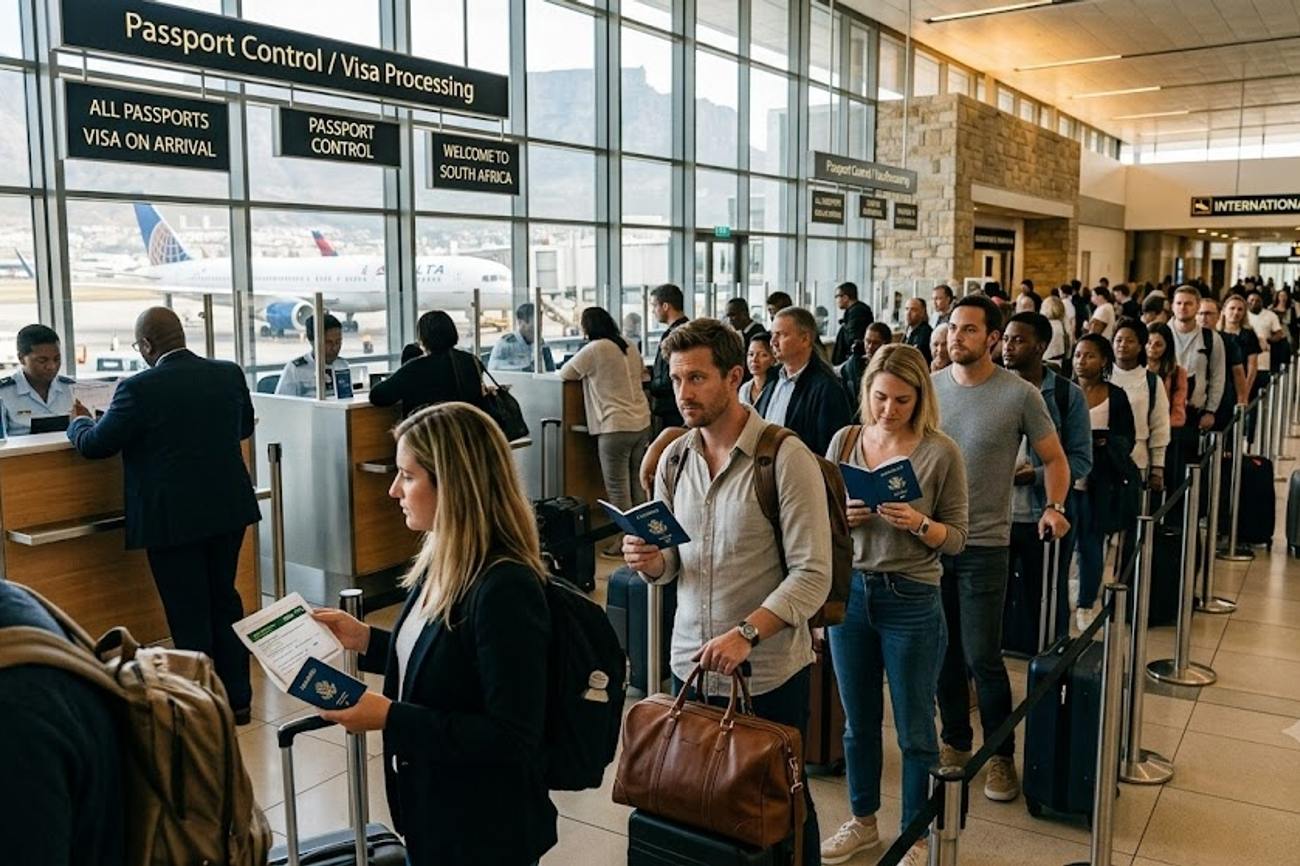
Image generated by AI
[Cape Town, September 8, 2026] — South Africa is witnessing a sharp increase in demand from the United States market, cementing its status as a premier destination for North American travelers seeking luxury wildlife and coastal experiences. While current data indicates a robust recovery in international arrivals, mounting concerns over visa processing timelines and entry uncertainties are emerging as primary obstacles to sustained tourism expansion.
The broader recovery of the South African tourism sector is gaining significant traction, fueled by a surge in global interest and a diversified portfolio of travel offerings. According to official tourism statistics, the nation hosted 6,576,169 international visitors between January and July 2026. This figure marks a 12.4% increase compared to the same seven-month window in 2025. Notably, overseas arrivals grew by 5.7%, signaling a strong appetite for long-haul travel.
The United States has solidified its position as a critical source of high-value tourism. In June 2026 alone, American visitors emerged as the leading overseas market, with 40,566 travelers arriving in the country. Despite these record numbers, tourism stakeholders are sounding the alarm, noting that opaque approval processes and application complexities may deter potential visitors from finalizing their itineraries.
Drivers of Increased American Interest in South Africa
The current spike in US travel demand is rooted in a growing preference for "multi-experience" journeys that blend high-end luxury with raw natural adventure. South Africa possesses a unique competitive advantage by offering Atlantic and Indian Ocean coastlines, world-renowned vineyards, and urban cultural hubs within a single national border.
Cape Town continues to serve as the primary magnet for US tourists. The city's appeal is driven by the iconic Table Mountain, its sophisticated culinary scene, and the surrounding Winelands. For many Americans, Cape Town functions as a soft entry point into the African continent, providing a high standard of tourism infrastructure before they venture further inland.
Simultaneously, Johannesburg remains the indispensable logistical hub. The city serves as the primary gateway for those transitioning toward business centers or connecting flights to remote safari lodges. The synergy between these two urban centers allows the country to capture a wide demographic of travelers, from corporate executives to leisure seekers.
Visa Bottlenecks and Entry Friction
While the desire to visit is high, the administrative path to entry is becoming a point of contention. Industry reports indicate that inconsistent processing timelines and uncertainty regarding visa approvals are creating significant friction for American travelers.
The impact of these delays is particularly acute for long-haul tourism. Because trips to South Africa typically involve substantial financial commitments—including expensive airfare, luxury safari bookings, and curated tour packages—travelers are often reluctant to pay non-refundable deposits without a guaranteed visa.
This uncertainty extends beyond leisure travel. Corporate visitors attending investment summits or professional conferences require predictable timelines to manage business schedules. Industry observers suggest that as global competition for high-spending tourists intensifies, the ease of entry is becoming as critical a factor as the destination's attractions. If the process remains cumbersome, travelers may pivot toward competing destinations with streamlined entry requirements.
The Economic Weight of the US Tourism Market
The United States is not merely a high-volume market but a high-value one. American visitors typically contribute significantly higher per-capita spending across the hospitality, aviation, and conservation sectors.
The economic ripple effect of US tourism is felt across several key areas:
- Luxury Hospitality: High demand for premium safari lodges and boutique hotels.
- Conservation: Direct funding for wildlife protection through national park fees and private reserve bookings.
- Local Commerce: Increased revenue for artisanal markets, regional wineries, and urban dining.
A typical American itinerary often spans multiple provinces, combining the coastal allure of the Western Cape with the wildlife density of the Kruger National Park and the cultural history of Johannesburg. This geographic spread ensures that tourism revenue is distributed across various local communities rather than being concentrated in a single city.
Strategic Shifts in Tourism Accessibility
Recognizing that accessibility is the primary bottleneck, South African authorities have prioritized the modernization of entry systems. The government is currently focusing on digital transformation and visa reforms to reduce the reliance on manual processing.
A central component of this strategy is the implementation of the Electronic Travel Authorisation (ETA) system. This digital shift is intended to accelerate approvals for selected markets, mirroring a global trend toward "frictionless" borders. Tourism officials argue that the transition to a digital-first approach is essential to remain competitive against other global destinations that have already adopted e-visa frameworks.
The Role of Wildlife and Conservation in Market Growth
Wildlife tourism remains the cornerstone of South Africa's appeal to the US market. The opportunity to encounter the "Big Five" in their natural habitat continues to be a primary driver for American bookings.
Kruger National Park and various private reserves are seeing increased interest in conservation-focused travel. This trend indicates a shift in American traveler preferences toward sustainable tourism, where the trip provides both a luxury experience and a contribution to environmental preservation. The integration of high-end luxury with authentic conservation efforts provides South Africa with a distinct edge in the global luxury travel market.
Impact Analysis: The High Cost of Bureaucracy
The tension between rising demand and administrative hurdles creates a volatile environment for tour operators. When visa approvals are delayed, the "leakage" of potential revenue is immediate. A single canceled luxury safari group can result in losses of tens of thousands of dollars for local operators.
Furthermore, the psychological impact of "visa anxiety" can damage a destination's brand. If the narrative among American travelers shifts from "South Africa is a must-visit" to "South Africa is too difficult to enter," the long-term growth trajectory could flatten regardless of how attractive the destinations remain.
Why This Matters (Expert Perspective)
For the modern traveler, the "experience" begins the moment they decide to book, not when they land. In an era of instant gratification and digital efficiency, a cumbersome visa process is a significant deterrent. From a logistical standpoint, the gap between South Africa's world-class tourism products (the lodges and landscapes) and its administrative processes (the visa office) creates a "service gap" that can alienate high-net-worth individuals.
For the US traveler, this means that flexibility is key. Until the ETA system is fully optimized and processing times become predictable, travelers should be advised to apply well in advance of their intended departure or utilize travel agents who specialize in South African entry requirements to mitigate risk.
Related Travel Guides
Disclaimer
This article is for informational and educational purposes only. It does not constitute legal, financial, or professional advice. While we strive to provide accurate and up-to-date information, travel policies, regulations, and conditions change rapidly. Always verify information with official sources before making travel decisions. Nomad Lawyer makes no representations about the accuracy, reliability, completeness, or suitability of the information provided. Readers should consult qualified professionals for advice specific to their circumstances. The views expressed in this article are those of the author and do not necessarily reflect the views of Nomad Lawyer.
Raushan Kumar
Founder & Lead Developer
Full-stack developer with 11+ years of experience and a passionate traveller. Raushan built Nomad Lawyer from the ground up with a vision to create the best travel and law experience on the web.
Learn more about our team →