
South Africa and Global Allies Champion Eco-Tourism Coalition Amid $200 Oil Shock and Strait of Hormuz Blockade: How US-Iran Conflict and Gulf Tensions Reshape Sustainable Travel and Africa’s Economic Future
As the $200 oil crisis and Strait of Hormuz blockade disrupt global aviation, South Africa joins Ghana, Lesotho, Switzerland, the US, and France in pioneering a resilient eco-tourism coalition.

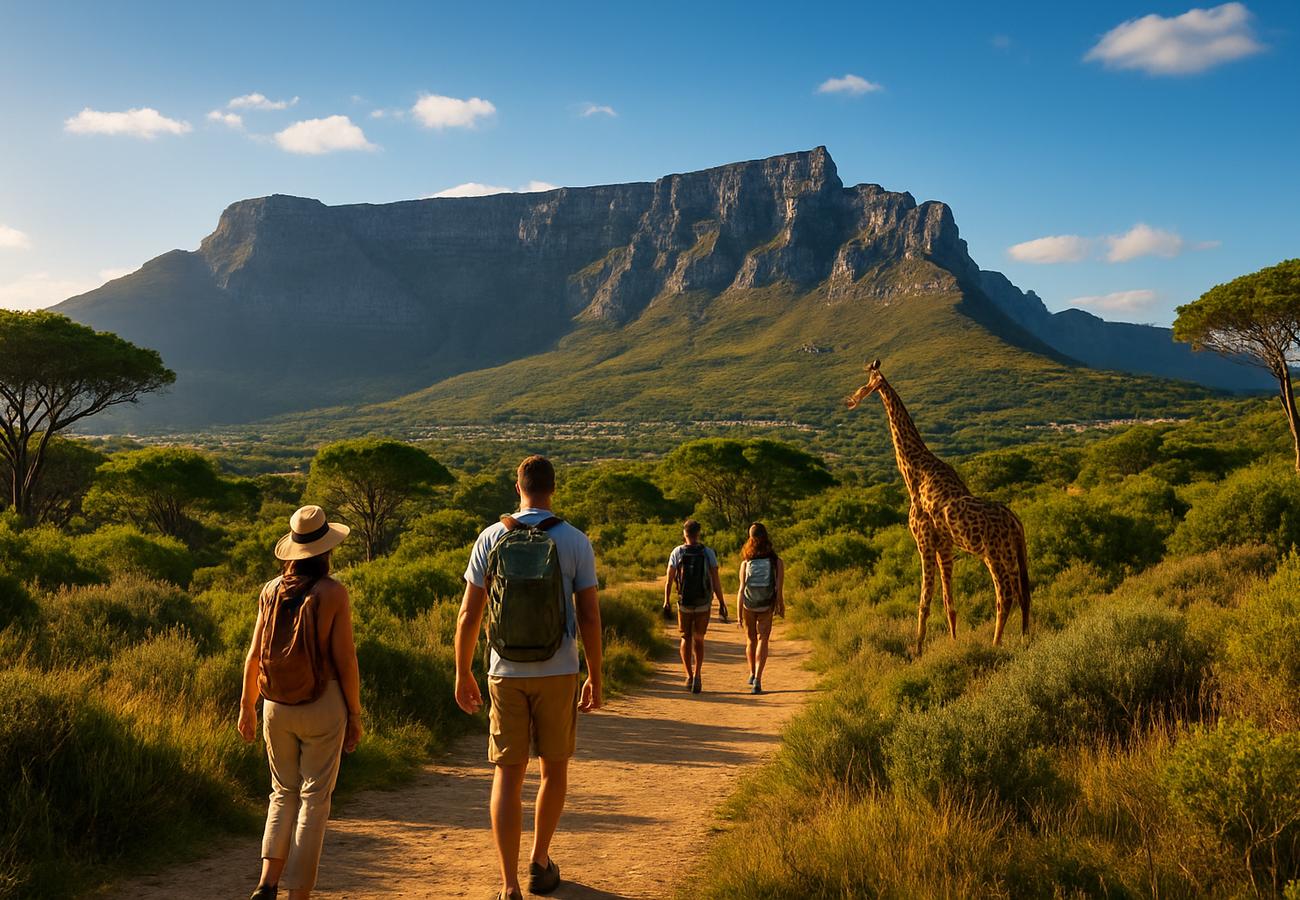
Image generated by AI
The global travel sector is undergoing a profound structural shift as it confronts an unprecedented $200 per barrel oil shock and the military blockade of the Strait of Hormuz. With the escalating US-Iran conflict driving long-haul airfares to historic highs and crippling traditional mass-market travel, a powerful coalition of pioneering nations has emerged to chart a new path. South Africa has officially joined Ghana, Lesotho, Switzerland, the United States, and France in launching a sweeping global eco-tourism expansion.
By focusing on "high-value, low-impact" sustainable travel, this strategic green alliance aims to rebuild Africa’s economic future, offering a highly resilient financial buffer against global fossil-fuel volatility while protecting natural heritage and empowering local communities.
Expanded Overview: Redesigning Global Travel Under Fossil-Fuel Volatility
The rise of the global eco-tourism coalition is a direct response to a changing economic landscape. Traditional, high-volume mass tourism is becoming financially unviable for many due to skyrocketing transportation costs.
The immediate trigger is the severe shipping gridlock in the Middle East. The blockade of the Strait of Hormuz—a critical passage carrying approximately 20% of the world's global oil supply—has caused a massive energy squeeze. As fuel prices spike, the tourism sectors of developing nations are turning toward sustainable, premium travel models. Rather than relying on high-frequency, low-margin tourist volumes, countries like South Africa are prioritizing longer-stay, high-spending eco-travelers, ensuring that conservation efforts and local communities remain funded despite the global aviation crisis.
Geopolitical Context: Persian Gulf Standoff and African Strategic Adaptation
The military standoff between the United States and Iran has disrupted major shipping routes in the Persian Gulf, raising international security concerns.
This conflict has directly impacted the major oil-producing countries of the region—including Saudi Arabia, the United Arab Emirates (UAE), Qatar, Kuwait, Oman, and Bahrain. These Gulf states are working hard to secure alternative export pipelines and protect their trade lanes. However, the ongoing instability has made global fuel markets highly unpredictable. To insulate themselves from this volatility, forward-thinking nations in Africa and Europe are rapidly shifting toward sustainable, self-sufficient energy solutions for their tourism infrastructure, using solar power, green technologies, and localized supply chains to run premium eco-lodges.
Global Energy Impact: Rising Airfares and Air Route Consolidation
With oil prices firmly established at $200 per barrel, airlines are under immense pressure. Jet fuel costs have forced carriers to raise long-haul ticket prices by 40% to 60%, leading to consolidated flight routes and a reduction in passenger capacities.
This energy crisis has made long-distance travel a premium experience. In this environment, destinations that offer unique, high-quality, and ecologically responsible travel experiences are much better positioned to compete. By offering immersive, carbon-neutral safaris and community-led conservation tours, the eco-tourism alliance is successfully attracting affluent, environmentally conscious travelers who are willing to pay premium rates despite rising flight costs.
Shipping and Trade Impact: Maritime Rerouting and Local Bottlenecks
The shipping disruptions in the Persian Gulf have forced commercial cargo vessels to bypass the Suez Canal and route around Africa's Cape of Good Hope. While this detour adds up to 14 days to maritime transit times and causes significant delays in global trade, it has also focused international attention on African ports and logistics.
However, the massive spike in shipping costs and maritime insurance premiums has made importing luxury resort supplies highly expensive. To counter these rising costs, eco-tourism operators are focusing on localized sourcing. By partnering with local farmers, artisans, and construction workers, eco-lodges are reducing their reliance on imported goods, building stronger regional supply chains, and keeping tourism revenues directly within local communities.
Regional Impact: The Strategic Dilemma of Gulf States
The prolonged energy crisis has also forced major Gulf states to re-evaluate their long-term economic strategies. Saudi Arabia, the UAE, and Qatar have invested heavily in building luxury, high-volume tourism sectors to prepare for a post-oil future.
However, with the Strait of Hormuz blocked and international aviation constrained, these nations are facing a slowdown in visitor arrivals. In response, Gulf travel operators are looking closely at the eco-tourism models being developed in South Africa and Switzerland. They are increasingly shifting their own investments toward sustainable, low-density desert resorts and solar-powered luxury escapes, recognizing that environmental sustainability is essential to the future of high-value travel.
How Coalition Nations Are Pioneering the Eco-Tourism Revolution
The global alliance is utilizing unique local resources and green innovations to redefine the sustainable travel landscape:
- South Africa: A pioneer in wildlife conservation, the country is integrating community-based ownership with luxury safaris in Kruger National Park and eco-lodges in the Drakensberg Mountains. This model generates thousands of green jobs for rangers, guides, and local artisans, proving that conservation can drive robust economic growth.
- Ghana: Ghana has integrated eco-tourism into its national development strategy, focusing on protecting its unique biodiversity in Mole National Park. By involving local communities in guiding tours and managing eco-resorts, Ghana ensures that tourism revenues are distributed equitably.
- Lesotho: Utilizing its rugged Maluti Mountains and pristine landscapes, landlocked Lesotho is rapidly becoming an adventure eco-tourism hotspot, developing sustainable hiking, trekking, and winter sports infrastructures that minimize environmental impact.
- Switzerland: A global leader in green travel, Switzerland sets the standard with its highly efficient, low-emission public transit systems, energy-efficient alpine accommodations, and strict waste-reduction policies in the Jungfrau and Swiss National Park regions.
- United States: The US is leading in national park sustainability, implementing strict conservation and environmental policies across iconic reserves like Yellowstone, Yosemite, and the Grand Canyon to protect fragile ecosystems from overtourism.
- France: Blending cultural heritage with luxury, France is implementing green certifications for hotels and restaurants across Provence and the French Riviera, promoting sustainable agriculture and eco-friendly wine tourism.
- Other Strategic Leaders: Countries like Costa Rica (a pioneer in tropical biodiversity preservation), New Zealand (focusing on renewable energy and Maori-led cultural conservation), and Norway (leading in low-impact fjord and wilderness travel) are also sharing key strategies to accelerate the global shift toward responsible travel.
Industry and Expert Analysis: A New Model for African Economic Growth
Tourism economists emphasize that the shift toward eco-tourism is crucial for Africa’s long-term economic resilience.
By prioritizing high-value, low-density travel, African nations can protect their valuable natural resources from the damage of mass overtourism while generating high-quality jobs. This sustainable approach helps protect delicate ecosystems and ensures that local communities receive direct, long-term financial benefits from tourism.
What Happens Next: Diplomatic and Tourism Scenarios
- Continued High Energy Costs: If Persian Gulf tensions persist and oil prices remain at $200/bbl, the eco-tourism model will likely become the primary sustainable framework for long-haul travel, with travelers choosing longer, high-value stays to justify high flight costs.
- Diplomatic De-escalation: If international diplomacy successfully resolves the US-Iran conflict and reopens the Strait of Hormuz, the green technologies and localized supply chains developed during this crisis will continue to provide travel operators with a highly profitable, low-carbon operational model.
Conclusion
The global eco-tourism expansion led by South Africa, Ghana, and their international partners represents a major step forward for the travel industry. As the Strait of Hormuz blockade and $200 oil prices continue to disrupt traditional travel markets, this green coalition offers a clear, sustainable path forward. By focusing on conservation, local community empowerment, and environmental responsibility, these nations are proving that travel can remain a powerful force for global connectivity and economic growth.
Key Takeaways
- Green Coalition: South Africa, Ghana, Lesotho, Switzerland, the US, and France are leading a global eco-tourism expansion to build a more resilient travel sector.
- Energy Crisis Pressure: The ongoing Strait of Hormuz blockade and $200/bbl oil shock have forced airlines to raise flight prices and consolidate routes.
- Community Focus: The new eco-tourism model prioritizes community-based jobs, protecting natural heritage, and reducing reliance on expensive imports.
- Localized Logistics: Eco-lodges are using green technologies, solar power, and local sourcing to insulate themselves from high shipping and energy costs.
- High-Value Travel: Destinations are focusing on longer-stay, high-spending travelers to maintain economic growth while minimizing carbon footprints.
FAQ: Eco-Tourism & Geopolitical Volatility 2026
How does the $200 oil price affect eco-tourism? High oil prices have significantly increased airfares. In response, eco-tourism operators are focusing on high-value, longer-stay travelers who are willing to pay premium prices for highly sustainable and immersive experiences.
How does eco-tourism support local communities during a shipping crisis? By sourcing food, building materials, and services locally, eco-lodges reduce their reliance on expensive imported goods, ensuring that tourism spending remains within local economies.
Is travel to South Africa's national parks safe and open? Yes, South Africa's major national parks and eco-lodges are fully open, utilizing solar energy and localized supply networks to remain highly resilient and operational despite the global energy crisis.
Related Travel Guides
- China and Global Powers Launch Smart Tourism Revolution at Macao University
- Angola Accelerates Cabinda Airport Expansion with UK, Germany, and Brazil Partners
- The Ultimate Guide to Community-Based Safaris in South Africa
Disclaimer: Travel itineraries, flight pricing, and resort operations are highly sensitive to global energy markets and geopolitical developments. Always verify current flight schedules, fuel surcharges, and local guidelines with your travel operator before departure.
Disclaimer
This article is for informational and educational purposes only. It does not constitute legal, financial, or professional advice. While we strive to provide accurate and up-to-date information, travel policies, regulations, and conditions change rapidly. Always verify information with official sources before making travel decisions. Nomad Lawyer makes no representations about the accuracy, reliability, completeness, or suitability of the information provided. Readers should consult qualified professionals for advice specific to their circumstances. The views expressed in this article are those of the author and do not necessarily reflect the views of Nomad Lawyer.
Kunal K Choudhary
Co-Founder & Contributor
A passionate traveller and tech enthusiast. Kunal contributes to the vision and growth of Nomad Lawyer, bringing fresh perspectives and driving the community forward.
Learn more about our team →