
Travel Japan Cherry Blossom 2026: Hotels Brace for Record Demand Surge
Japan's 2026 cherry blossom season triggers unprecedented hotel demand, with Kyoto and Tokyo properties reporting 90%+ occupancy and premium rates climbing 40-60% above baseline.

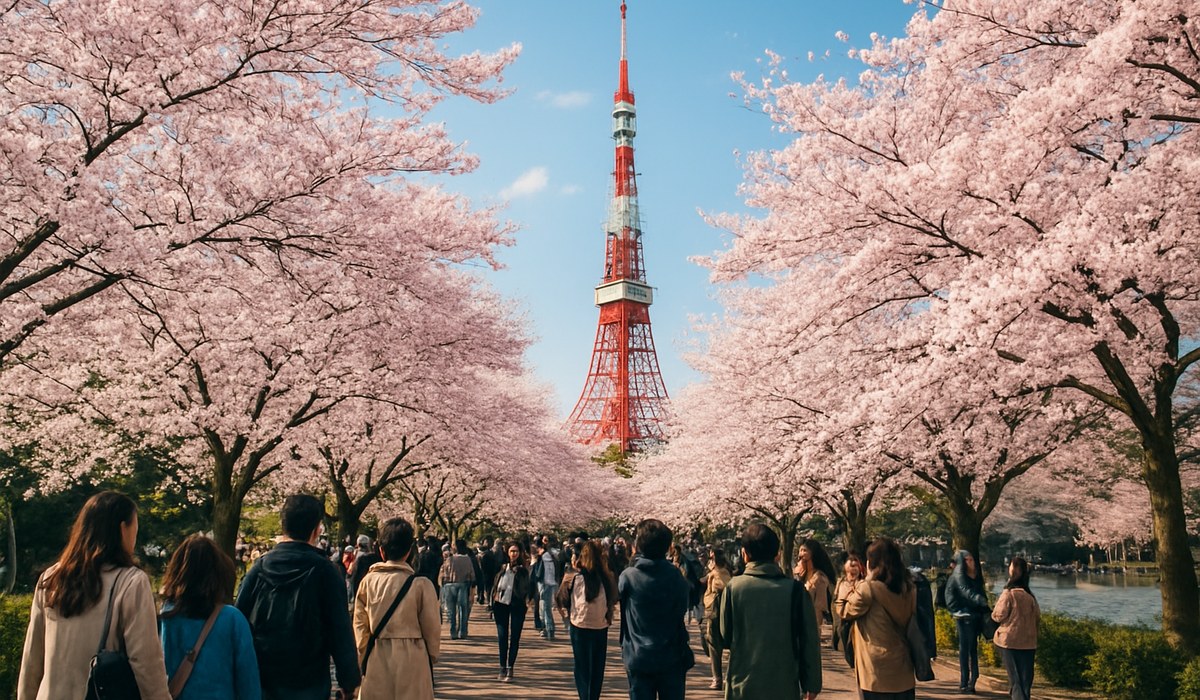
Image generated by AI
**> Quick Summary
- Japan's hospitality sector is managing the most aggressive cherry blossom season bookings in recorded history for 2026, with three-star to five-star properties across the nation operating at maximum capacity
- Dynamic pricing strategies have become mandatory, with premium rooms in central Kyoto and Tokyo commanding rates 40–60% above standard pricing during peak bloom windows
- International visitor volume surges have forced hotels to implement aggressive staffing recruitment, multilingual customer support, and advanced revenue management systems
- Property owners and operators are investing heavily in technology platforms and third-party management systems to handle unprecedented reservation volumes and guest experience demands**
Japan's hospitality sector is bracing for its most explosive cherry blossom season on record. Hotels across Kyoto, Tokyo, Hiroshima, and surrounding regions are implementing aggressive operational strategies to accommodate unprecedented demand driven by post-pandemic travel recovery and favorable currency conditions favoring international visitors.
The 2026 season represents a critical inflection point. Luxury accommodations in Kyoto's Higashiyama district and central Tokyo have already secured occupancy commitments exceeding 90% for the peak bloom period—weeks in advance of the season's traditional March-April window. Room rates have surged between 40 and 60 percentage points above standard pricing, fundamentally reshaping revenue projections across the sector.
This is not merely a tourism boom. It signals a structural shift in how Japan's hospitality industry prices, staffs, and manages its most valuable seasonal asset.
Japan's 2026 Cherry Blossom Season: A Perfect Storm for Hotel Demand
The convergence of multiple macro trends has created an almost perfect market condition for Japan's accommodation providers. International flight capacity has expanded significantly—carriers such as those operating expanded routes to Japan are adding daily frequencies to meet demand. Simultaneously, the yen's weakness relative to major currencies has made Japan extraordinarily attractive to visitors from North America, Europe, and Southeast Asia.
Japan National Tourism Organization (JNTO) projections indicate international visitor arrivals will exceed 12 million annually by 2026, with peak blossom season concentrating perhaps 15–20% of annual volumes into a compressed four-to-six week window. This concentration creates both enormous revenue opportunities and acute operational strain.
The cultural magnetism of hanami—the cherry blossom tradition—compounds the effect. Visitors are not merely seeking accommodation; they are pursuing a specific experiential window tied to botanical phenology. Hotels cannot "create" additional supply when trees bloom; they can only optimize pricing and capacity management within fixed room inventories.
For property managers, this scenario mirrors what Luxury Travel Global Market Surges Despite Cost of Living Crisis analyses have documented—affluent travelers remain insulated from economic headwinds and are prioritizing experiences over price sensitivity during limited seasonal windows.
Occupancy Rates and Revenue Per Available Room (RevPAR) Surge Across Major Cities
Performance metrics across Japan's major markets reveal the magnitude of the spike. According to STR hotel performance benchmarking data, occupancy rates in Kyoto during peak cherry blossom weeks are tracking toward 95%+, compared to 70–75% baseline occupancy during non-peak spring periods.
RevPAR—the critical metric combining occupancy rates and average daily rate—is ascending dramatically. High-end properties in Kyoto's central districts are reporting RevPAR increases of 120–150% year-over-year, driven both by near-perfect occupancy and rate premiums.
Tokyo's central wards (Chiyoda, Shibuya, Shinjuku) are experiencing comparable trajectories. Mid-range and upper-mid-range properties that typically command ¥15,000–¥35,000 nightly rates are capturing ¥22,000–¥55,000 during the cherry blossom peak.
Hiroshima and secondary markets are witnessing secondary-wave demand. As first-choice properties in Kyoto and Tokyo fully book, international visitors are extending their search radii to nearby regions and alternative cities. This geographic distribution effect is benefiting regional properties and enabling smaller operators to capture premium pricing windows previously unavailable to them.
Hotel groups managing multiple properties across Japan report strategic rate-setting challenges. Aggressive pricing at flagship locations in Kyoto risks cannibalizing demand to secondary properties in the same group; conservative pricing leaves revenue on the table. Sophisticated revenue management systems, powered by algorithmic demand forecasting, have become essential competitive tools.
Luxury vs. Budget: How Different Hotel Segments Are Responding to the Boom
The bloom boom does not benefit all segments equally. Five-star and luxury-tier properties—those featured in Forbes Travel Guide five-star ratings—are experiencing the most acute capacity constraints and highest pricing power. Properties like those in Kyoto's exclusive districts with limited room counts can achieve sold-out status months in advance and command rate premiums exceeding 80–100% above baseline.
These ultra-premium properties face different operational challenges than volume-oriented chains. Their constraints are not demand generation but guest experience consistency and service delivery quality under capacity stress. Adding staff, maintaining service standards, and managing expectation-setting become paramount when premium guests are paying premium rates.
Mid-tier and budget segment properties face an inverse challenge. They possess higher room counts and greater capacity flexibility, enabling them to capture overflow demand from fully-booked luxury tiers. However, their revenue upside is constrained by pricing ceilings—budget travelers remain price-sensitive even during peak seasons. A ¥5,000–¥8,000-per-night budget property might command ¥7,000–¥10,000 during peak blossom season, but cannot realistically achieve the rate multipliers available to luxury competitors.
The sweet spot appears to be upper-mid-range properties (¥20,000–¥40,000 baseline rate) positioned in secondary locations or with meaningful onsite amenities. These properties capture premium pricing without incurring ultra-luxury operational overhead, while still attracting affluent travelers willing to stay outside prime central districts to secure availability.
International hotel groups are recognizing this positioning advantage. Some operators are accelerating development of upper-mid-range brands and boutique conversions in Kyoto's peripheral districts—still within walkable distance of primary cherry blossom viewing areas but with reduced land costs and operational complexity.
The phenomenon also reflects broader travel pattern shifts documented in reports analyzing Singapore Airlines Australia Expands to Record Daily Flights—increased capacity and frequency are channeling larger visitor volumes into specific geographic windows, concentrating demand in ways that traditional forecasting models underestimated.
Operational Challenges: Staffing, Pricing, and Guest Experience Management
The spike in demand has created acute staffing pressures. Japan's hospitality sector already faces chronic labor shortages; the cherry blossom boom magnifies this constraint. Hotels require temporary staff augmentation—housekeeping, front desk, concierge, restaurant service—precisely during the season when finding qualified temporary labor is most difficult.
Some properties are recruiting seasonal workers 4–6 months in advance, offering premium wages and housing stipends. Others are implementing accelerated training programs and cross-training existing staff to maximize flexibility. A few forward-thinking operators are partnering with temp agencies and recruiting foreign workers on short
Disclaimer
This article is for informational and educational purposes only. It does not constitute legal, financial, or professional advice. While we strive to provide accurate and up-to-date information, travel policies, regulations, and conditions change rapidly. Always verify information with official sources before making travel decisions. Nomad Lawyer makes no representations about the accuracy, reliability, completeness, or suitability of the information provided. Readers should consult qualified professionals for advice specific to their circumstances. The views expressed in this article are those of the author and do not necessarily reflect the views of Nomad Lawyer.
Preeti Gunjan
Contributor & Community Manager
A passionate traveller and community builder. Preeti helps grow the Nomad Lawyer community, fostering engagement and bringing the reader experience to life.
Learn more about our team →