
South Africa and Botswana are Offering Amazing New Budget Travel Deals for Safari in December 2026
South Africa and Botswana are Offering Amazing New Budget Travel Deals for Safari in December 2026

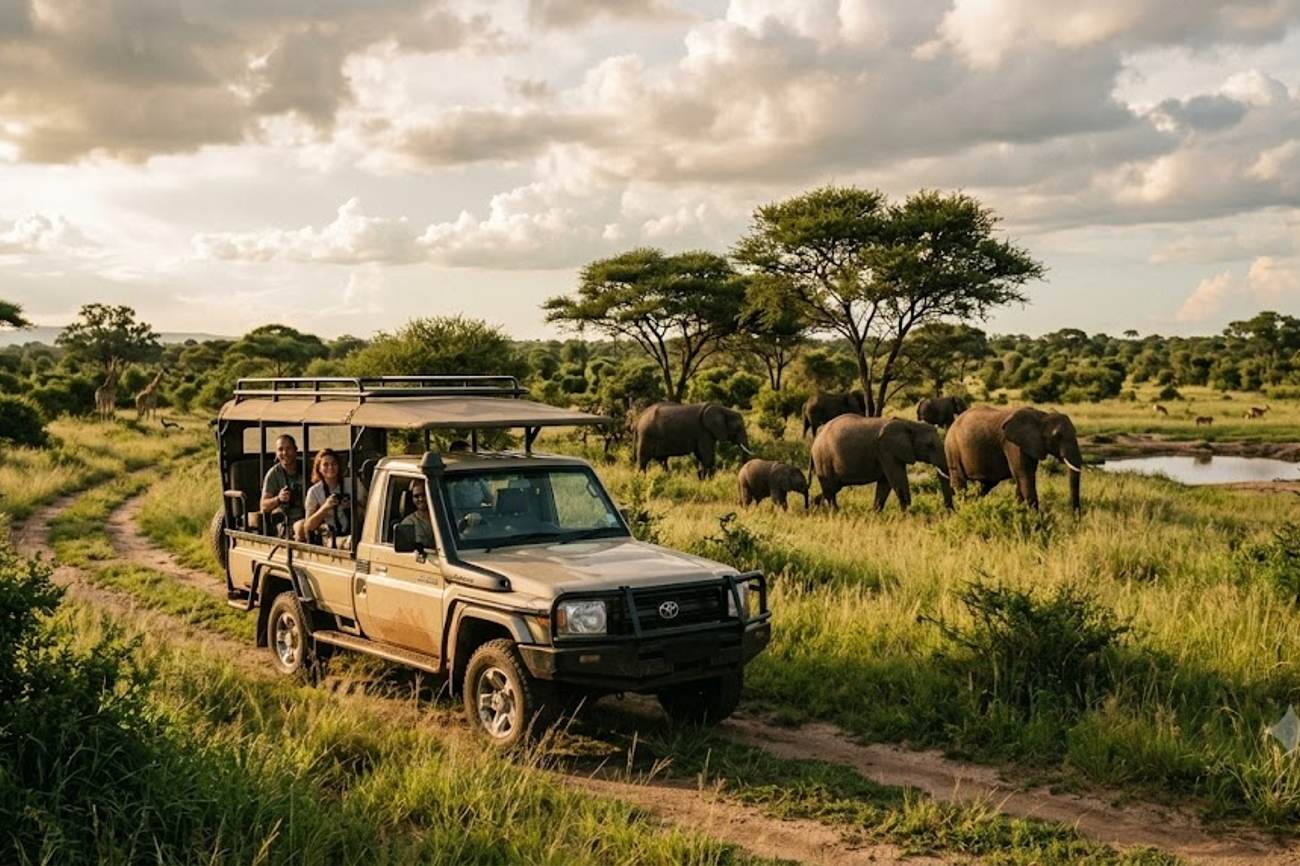
Image generated by AI
[Johannesburg, September 11, 2026] — South Africa and Botswana are launching aggressive budget-tier safari initiatives for December 2026, leveraging the "green season" to attract international tourists facing rising global travel costs.
The strategic push targets wildlife enthusiasts during the region's emerald season, which runs from late November through March. By slashing accommodation tariffs and streamlining border crossings, officials in both nations aim to democratize access to the Greater Kruger National Park and Chobe National Park, shifting the traditional tourist peak away from the dry winter months of June to October.
The Green Season Pivot
The move is a calculated response to evolving global economic pressures. Historically, the "dry season" was marketed as the only viable time for wildlife viewing due to sparse vegetation. However, tourism boards are now highlighting the biological advantages of December travel.
This period marks the calving season for species including blue wildebeest, springbok, and impala. The resulting surge in newborn animals attracts high concentrations of apex predators, providing photography and viewing opportunities that are unavailable during the winter. Additionally, the landscape shifts from arid plains to lush ecosystems, punctuated by dramatic afternoon thunderstorms that clear atmospheric dust and enhance visibility for long-range spotting.
Market Impact and Accessibility
The shift toward budget-friendly December safaris is supported by specific government interventions and infrastructure projects:
- South Africa (Greater Kruger National Park): The focus is on high-volume, low-cost accessibility to reposition the country as a diverse hub rather than an exclusive luxury destination.
- Botswana (Chobe National Park): The strategy emphasizes low-impact, high-value tourism, specifically supporting regulated mobile camping operators to lower the entry price for the wilderness.
- Cross-Border Transit: Upgrades to the Kazungula Bridge and the implementation of one-stop border posts are reducing administrative fees and transit times for travelers moving between Botswana, Zambia, and Zimbabwe.
What This Means for Travelers
For the passenger or tourist booking a trip for late 2026, these developments translate into three immediate practical advantages:
- Significant Cost Reduction: Top-tier private lodges and national park authorities are implementing deep discounts on accommodation to maintain occupancy during the traditionally quieter green season. Travelers can access luxury-grade lodges at a fraction of the peak-season price.
- Reduced Crowds: By diverting traffic to December, the "over-tourism" typically seen in the southern hemisphere's winter is mitigated. This means fewer vehicles at waterholes and a more intimate wildlife experience.
- Simplified Entry: The rollout of the South African Department of Home Affairs Electronic Travel Authorisation (ETA) system is designed to remove "travel friction," making the visa process faster and more digitally integrated.
Financial and Regulatory Drivers
The affordability of these 2026 deals is underpinned by massive state investment. In South Africa, Minister Patricia de Lille announced a national budget allocation of R2.54 billion for the 2026/27 financial year. Of this total, R1.278 billion has been specifically ring-fenced for South African Tourism to fund global destination marketing and sector growth.
In Botswana, the Botswana Tourism Organisation (BTO) is coordinating with the Ministry of Environment and Tourism to ensure that infrastructure upgrades—particularly around regional transit corridors—lower the overall cost of multi-country itineraries. The focus is on eliminating redundant fees that previously acted as a deterrent for budget-conscious overland travelers.
The 2026 Safari Timeline
The window for these budget deals is narrow, centering on the transition from November to December. Travelers are encouraged to monitor the ETA rollout in South Africa to ensure seamless entry. As the region moves toward a "low-impact, high-value" model, the availability of regulated budget camping in Chobe is expected to expand through the end of the year, providing a sustainable alternative to traditional lodge stays.
FAQ: Southern Africa Safari 2026
Is December a good time for wildlife viewing in South Africa and Botswana? Yes. While the vegetation is thicker, December is calving season. The abundance of newborns attracts predators, and the "emerald season" provides a vibrant, biologically active environment that differs from the dry winter months.
How much cheaper are "green season" safaris? While exact percentages vary by lodge, tariffs are significantly reduced compared to the June-October peak. Many luxury lodges offer deep discounts to maintain occupancy during this shoulder season.
What is the ETA system in South Africa? The Electronic Travel Authorisation (ETA) is a digital system designed to streamline the entry process for international visitors, reducing the paperwork and time associated with traditional visa applications.
Which parks are best for budget travel in December 2026? The Greater Kruger National Park in South Africa and Chobe National Park in Botswana are currently the most accessible and affordable options due to targeted government subsidies and infrastructure upgrades.
The African wilderness is opening its gates to the budget traveler, proving that luxury views don't always require a luxury price tag.
#KrugerNationalPark2026 #ChobeNationalPark #SouthAfricaTourism #BotswanaTravel #GreenSeasonSafari #ETA_SouthAfrica
Related Travel Guides
- Dubai Is Now Set to Unlock New Tourism Deals at Arabian Travel Market 2026 and Shape the Next Opportunity
- Uganda Along With Mexico Gain New Tourism Push as Contiki Unveils Flexible Tours for Younger Travellers
- South Africa’s Madikwe Safari Icon Jaci’s Lodge Reveals New Photography and Trade Collateral for Agents
Disclaimer
This article is for informational and educational purposes only. It does not constitute legal, financial, or professional advice. While we strive to provide accurate and up-to-date information, travel policies, regulations, and conditions change rapidly. Always verify information with official sources before making travel decisions. Nomad Lawyer makes no representations about the accuracy, reliability, completeness, or suitability of the information provided. Readers should consult qualified professionals for advice specific to their circumstances. The views expressed in this article are those of the author and do not necessarily reflect the views of Nomad Lawyer.
Naina Thakur
Contributor & Travel Specialist
Travel enthusiast and legal writer covering visa regulations, responsible tourism, and cultural journeys across global destinations.
Learn more about our team →