
Solomon Islands Travel Costs Rise: Solomon Airlines Implements Domestic Fare and Luggage Fee Hikes from 12 October 2026

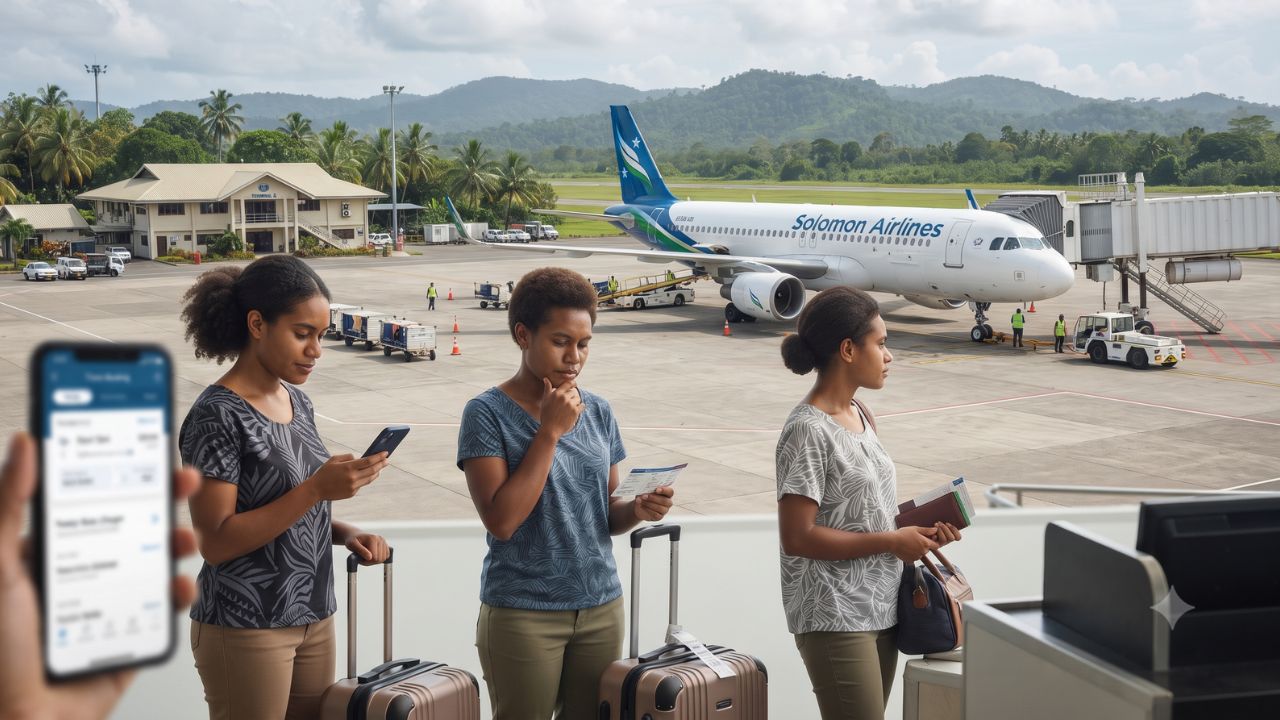
Connecting over 900 tropical islands across 28,400 square kilometers of open ocean, Solomon Airlines operates one of the most geographically remote flight networks in the Pacific—where every liter of imported aviation fuel dictates the cost of basic island mobility. Citing unrelenting pressure from global aviation fuel markets and surging island supply chain expenses, flag carrier Solomon Airlines will roll out an across-the-board tariff revision starting 12 October 2026. The adjustment includes a 2% baseline increase across all domestic flight sectors, accompanied by higher prepaid baggage fees, an AUD15-per-sector fuel surcharge, and tiered seat selection pricing.
The pricing shift directly affects international adventurers, eco-tourists, scuba divers, and local islanders traveling between the capital hub of Honiara and regional gateways in Australia, Fiji, Vanuatu, New Zealand, and Papua New Guinea. With air transit serving as the sole practical link between Guadalcanal and outer provinces like Western Province, Malaita, and Temotu, understanding the updated pricing schedule is critical for anyone planning expeditions across Melanesia.
The 12 October Pricing Schedule: Fares, Surcharges, and Ancillary Costs
The tariff adjustments take effect simultaneously across domestic routes and international South Pacific corridors. In addition to the 2% domestic base fare increase, the airline is introducing an extra $5 per sector to its fuel surcharge, raising the mandatory fee to AUD15 per sector on applicable routes.
Solomon Airlines Ancillary Pricing and Prepaid Baggage Structure
| Route Corridor | Origin Currency / Fee | Return Currency / Fee | Seat Tier Pricing (AUD) | Fuel Surcharge Policy |
|---|---|---|---|---|
| Brisbane (BNE) – Honiara (HIR) | AUD 18 | SBD 80 | Standard: AUD 18 | AUD 15 / Sector |
| Brisbane (BNE) – Munda (MUA) | AUD 18 | SBD 80 | Preferred: AUD 54 | AUD 15 / Sector |
| Nadi (NAN) – Honiara (HIR) | FJD 18 | SBD 80 | Extra Legroom: AUD 90 | AUD 15 / Sector |
| Port Vila (VLI) – Honiara (HIR) | VUV 600 | SBD 80 | Standard: AUD 18 | AUD 15 / Sector |
| Port Vila (VLI) – Auckland (AKL) | VUV 600 | NZD 18 | Preferred: AUD 54 | AUD 15 / Sector |
| Auckland (AKL) – Honiara (HIR) | NZD 18 | SBD 80 | Extra Legroom: AUD 90 | AUD 15 / Sector |
| Brisbane (BNE) – Santo (Vanuatu) | AUD 18 | VUV 600 | Standard: AUD 18 | AUD 15 / Sector |
| Port Moresby (POM) – Honiara (HIR) | PGK 50 | SBD 80 | Extra Legroom: AUD 90 | AUD 15 / Sector |
For passengers carrying heavy expedition gear, scuba equipment, or field supplies, prepaid excess baggage options must be secured prior to the 12 October deadline to lock in previous rates. Once the new schedule takes effect, charges will be levied strictly in the departure port's local currency.
What Makes Travel in the Solomon Islands Different
Navigating the Solomon Islands offers an unfiltered encounter with South Pacific geography, culture, and wartime history:
- Remote Oceanic Isolation: Beyond Honiara's Henderson Field, provincial airfields range from paved airstrips in Gizo and Munda to grass landing strips in Seghe, Suavanao, and Santa Cruz. Flights aboard Twin Otter and Dash 8 turboprops provide low-altitude aerial perspectives over coral atolls and volcanic peaks.
- Living Customary Heritage: Traditional Kastom law governs village life across outer islands. In places like Marovo Lagoon—the world's largest double-barrier saltwater lagoon—communities maintain ancestral woodcarving traditions and communal marine management.
- World War II History and Untouched Reefs: Iron Bottom Sound holds dozens of sunken warships and aircraft from the 1942 Guadalcanal campaign, creating world-renowned wreck diving alongside pristine coral drop-offs near the Western Province.
Further south in Rennell and Bellona Province, East Rennell forms the world's largest raised coral atoll and a designated UNESCO World Heritage site, featuring Lake Tegano and endemic flora and fauna found nowhere else on earth.
Visitor Insider Tips: Navigating Island Transit and Budgeting
Travelers organizing itineraries through Tourism Solomons can manage expenses and travel logistics by adopting experienced island strategies:
- Pre-Book Domestic Flights Early: Domestic turboprop services to popular diving bases like Gizo (GZO) and Munda (MUA) have limited passenger and cargo capacities. Secure seats well ahead of time, and always weigh your luggage carefully before reaching Henderson Domestic Terminal, where strict weight limits apply.
- Carry Sufficient Local Currency (SBD): Outside of major hotels in Honiara and dive resorts in Western Province, electronic payment terminals are virtually nonexistent. Carry adequate Solomon Islands Dollars (SBD) in small denominations to cover local boat transfers (banana boats), village landing fees, and market produce.
- Respect Village Etiquette and Kastom Fees: When stepping ashore on uninhabited-looking beaches or visiting cultural sites, ask local chiefs or landowners for permission. Modest dress covering knees and shoulders is standard protocol in all rural villages.
- Factor in Weather Contingency Days: Tropical rain squalls and seasonal weather systems can temporarily delay domestic flights landing on unpaved grass runways. Never schedule a tight international flight connection from Honiara on the same day as an outer-island domestic return flight.
Cultural and Environmental Context: Fuel Realities and Island Sustainability
Operating an airline across an archipelago where fuel must be shipped thousands of nautical miles across the ocean poses severe ecological and economic hurdles. Island aviation authorities continually balance the high carbon and financial footprint of fuel logistics against the absolute necessity of medical evacuation, community transport, and sustainable eco-tourism revenue.
In response to ecological pressures, local conservation groups and eco-lodges are expanding community-owned marine protected areas throughout Marovo Lagoon and the Arnavon Islands, the largest hawksbill sea turtle rookery in the South Pacific. Sustainable dive tourism and cultural homestays provide alternative income for indigenous landowners, helping reduce dependence on destructive commercial logging and deep-sea mining concessions.
FAQ: Visiting Solomon Islands 2026
What is the best time of year to visit the Solomon Islands? The drier season between May and October offers cooler trade winds, reduced humidity, and clearer underwater visibility for scuba diving and snorkeling across the Western Province lagoons.
Do international tourists need a visa to enter the Solomon Islands? Visitors from the European Union, Australia, New Zealand, the United States, and Canada are granted a free visitor permit on arrival valid for up to 90 days, provided they have a valid passport and return ticket.
How do travelers reach Munda and Gizo from Australia? Solomon Airlines operates direct international flights from Brisbane (BNE) to Munda (MUA), allowing travelers to reach Western Province dive resorts directly without transiting through Honiara.
Is tap water safe to drink in the Solomon Islands? Treated tap water is available in select Honiara hotels, but travelers are advised to drink boiled, filtered, or UV-purified water throughout rural provinces and outer island guesthouses.
Related Travel Guides
- Solomon Islands Wreck Diving and Marine Conservation Expedition Guide
- South Pacific Island Hopping: Balancing Twin Otter Flights and Cargo Ferries
- Official Tourism Solomons Practical Travel Resources and Village Protocols
Across the turquoise waters of the South Pacific, the true value of travel is measured not by ticket prices, but by the privilege of exploring one of the earth's last authentic island frontiers.
Disclaimer
This article is for informational and educational purposes only. It does not constitute legal, financial, or professional advice. While we strive to provide accurate and up-to-date information, travel policies, regulations, and conditions change rapidly. Always verify information with official sources before making travel decisions. Nomad Lawyer makes no representations about the accuracy, reliability, completeness, or suitability of the information provided. Readers should consult qualified professionals for advice specific to their circumstances. The views expressed in this article are those of the author and do not necessarily reflect the views of Nomad Lawyer.
Naina Thakur
Contributor & Travel Specialist
Travel enthusiast and legal writer covering visa regulations, responsible tourism, and cultural journeys across global destinations.
Learn more about our team →