
Philippines 30-Day Visa-Free Entry Guide 2026: Rules, Extensions, and Island Travel

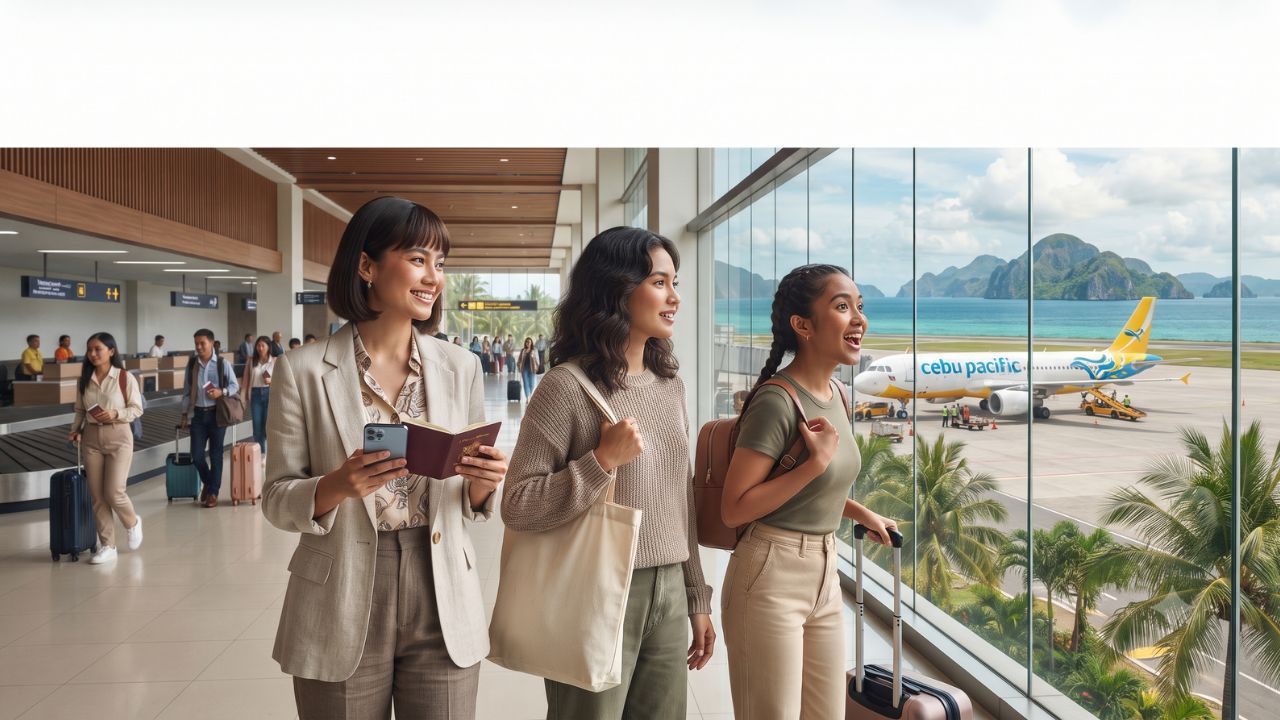
While many international travelers assume Southeast Asian visa-free privileges are restricted to Western nations, the Philippines grants 30-day entry without prior visas to citizens across more than 20 African countries, alongside European, American, and Asia-Pacific markets. Governed under Executive Order No. 408 (EO 408) and subsequent immigration directives, this liberal border framework allows qualifying passport holders to explore the 7,641-island archipelago without pre-departure consular paperwork.
The border policy serves as a primary pillar in the national economic strategy. Tourism represents approximately 8.1% of the Philippine gross domestic product, supporting roughly 7.7 million jobs nationwide. Following a recorded 5.94 million international arrivals and PHP 694 billion in visitor spending during 2025, the government is leveraging streamlined entry to distribute travelers beyond saturated gateways like Boracay and Manila into regional ecotourism and diving corridors.
Comprehensive Visa-Free Framework and Nationality Categories
The Philippine visa-exemption system establishes clear tiers of entry duration, conditions, and exclusions. For standard qualifying nationalities, tourists receive an initial 30-day entry stamp upon arrival, provided they present a passport valid for at least six months beyond their intended stay and a confirmed outbound ticket.
A broad coalition of African nations enjoys standard 30-day visa-free privileges, including Tanzania, Morocco, Kenya, Ghana, South Africa, Uganda, Ethiopia, Angola, Rwanda, Senegal, Zambia, and Zimbabwe. Eligible African countries also encompass Botswana, Cameroon, Cape Verde, Côte d’Ivoire, the Democratic Republic of Congo, Mauritius, Namibia, Seychelles, Tunisia, and Togo.
However, access is not universal across the continent. Citizens of Nigeria, Algeria, Egypt, Libya, Sierra Leone, Somalia, South Sudan, and Sudan must apply for a standard consular visa before arrival. Similarly, travelers from China and India operate under distinct regulatory pathways: Chinese passport holders can access conditional short-stay waivers up to 14 days under specific qualifying rules, while Indian nationals require separate visa processing.
| Entry Tier & Category | Permitted Initial Stay | Eligible Countries / Regions | Key Conditions & Extension Policy |
|---|---|---|---|
| Standard Visa-Free (EO 408) | 30 Days | USA, UK, Canada, Australia, Japan, Germany, France, South Korea, Tanzania, Morocco, Kenya, South Africa, Ghana, Uganda, Ethiopia, Angola, Rwanda, Senegal, Zambia, Zimbabwe, and 12+ other African states | 6-month passport validity; confirmed onward ticket. Extendable for 29 days (up to 59 days total). |
| Bilateral Reciprocal Waiver | 59 Days | Brazil and Israel | Direct 59-day entry stamp upon arrival under bilateral treaties; onward ticket required. |
| Conditional Short-Stay | Up to 14 Days | China (under specified visa or tour group conditions) | Specific consular or group restrictions apply; not part of standard 30-day list. |
| Consular Visa Required | Prior application | Nigeria, Algeria, Egypt, Libya, Sierra Leone, Somalia, South Sudan, Sudan, India, and other non-waiver nations | Must obtain formal visa at Philippine embassy/consulate prior to boarding. |
What Makes the Philippine Island Archipelago Accessible
The physical geography of the Philippines requires travelers to look at border policies through a multi-island lens. Rather than staying confined to Luzon, visitors entering under the 30-day waiver can easily combine urban exploration in Metro Manila with domestic flights to marine sanctuaries, volcanic mountains, and historic colonial towns recognized by the UNESCO World Heritage Centre.
The standout advantage of the Philippine framework is the straightforward on-the-ground extension process. Travelers who enter under the standard 30-day waiver can visit any district office of the Bureau of Immigration Philippines to apply for an initial 29-day visa waiver extension, extending their total stay to 59 days without leaving the country. This provides backpackers, remote professionals, and long-stay tourists ample flexibility to navigate inter-island ferry connections and domestic regional flights.
Moreover, separate bilateral agreements grant passport holders from Brazil and Israel an immediate 59-day stay upon entry, skipping the initial 30-day extension step altogether.
Visitor Insider Tips for Navigating Philippine Islands and Bureaucracy
Smooth transit through Philippine airports and regional waterways requires practical preparation:
- Mandatory Onward Ticket Rule: Airline ground staff at departure airports strictly enforce the onward ticket requirement. If your travel plans are open-ended, purchase a refundable outbound flight or an onward transit ticket departing within your initial 30-day window before checking in.
- Digital Arrival Registration: All incoming travelers must complete the official electronic travel registration (eTravel) within 72 hours prior to arrival in the Philippines. Save the generated QR code on your mobile device for rapid immigration scanning.
- Bureau of Immigration Extension Timing: If extending your 30-day stay by an additional 29 days, visit a Bureau of Immigration field office (such as in Intramuros Manila, Cebu City, or Makati) at least 7 to 10 days before your initial 30 days expire. Dress respectfully (no shorts or tank tops) in compliance with government office dress codes.
- Inter-Island Transfer Buffers: When moving between island destinations via domestic airlines (like Cebu Pacific or Philippine Airlines) or fast ferries, build a 24-hour buffer before your international flight home to account for monsoon weather delays or localized schedule adjustments.
- Cash Management in Secondary Provinces: While cards and digital wallets (GCash) are common in Manila, Cebu, and Boracay, smaller destinations like Siargao, Siquijor, and Romblon depend heavily on cash for local tricycles, boat rentals, and roadside dining. Carry sufficient Philippine Pesos (PHP).
Cultural and Environmental Context: Dispersing 5.94 Million Visitors
The economic weight of international travel across the Philippines—generating PHP 694 billion annually—has spurred the Philippine Department of Tourism to shift focus from mass arrivals toward decentralized, sustainable tourism. Iconic destinations like Boracay and Palawan's El Nido have historically faced carrying capacity limits, freshwater stress, and marine reef degradation.
By promoting visa-free access to a broader international demographic, tourism authorities encourage visitors to explore secondary destinations such as the chocolate hills of Bohol, the historic cobblestones of Vigan, the surf breaks of Siargao, and the marine biodiversity of Apo Reef. This dispersal supports indigenous communities, artisan fishing cooperatives, and regional agricultural economies, ensuring the economic benefits of tourism extend into rural archipelagic provinces.
FAQ: Philippines Visa-Free Entry 2026
What are the basic requirements for 30-day visa-free entry to the Philippines?
You must present a passport valid for at least six months beyond your stay and a confirmed return or onward ticket departing within 30 days.
Can I extend my 30-day visa-free stay inside the Philippines?
Yes. You can apply for a 29-day extension at any Bureau of Immigration office across the Philippines, allowing a total stay of up to 59 days.
Which African nations are eligible for the 30-day visa-free stay?
Citizens of Tanzania, Morocco, Kenya, Ghana, South Africa, Uganda, Ethiopia, Angola, Rwanda, Senegal, Zambia, Zimbabwe, and 12 other African nations qualify.
How do I travel between islands once in the Philippines?
Extensive domestic flight routes connect Manila and Cebu to regional airports, while roll-on/roll-off (RO-RO) ferries and fast catamarans serve shorter inter-island sea crossings.
With straightforward entry waivers and seamless 59-day extensions, the Philippine archipelago offers one of Southeast Asia's most accessible gateways for island exploration and cultural discovery.
Related Travel Guides
Disclaimer
This article is for informational and educational purposes only. It does not constitute legal, financial, or professional advice. While we strive to provide accurate and up-to-date information, travel policies, regulations, and conditions change rapidly. Always verify information with official sources before making travel decisions. Nomad Lawyer makes no representations about the accuracy, reliability, completeness, or suitability of the information provided. Readers should consult qualified professionals for advice specific to their circumstances. The views expressed in this article are those of the author and do not necessarily reflect the views of Nomad Lawyer.
Naina Thakur
Contributor & Travel Specialist
Travel enthusiast and legal writer covering visa regulations, responsible tourism, and cultural journeys across global destinations.
Learn more about our team →