
Saudi Arabia Distances Itself From Boeing 777 Aircraft Allegedly Smuggled Into Iran Through Covert Operations
Breaking airline news and aviation industry updates for 2026.

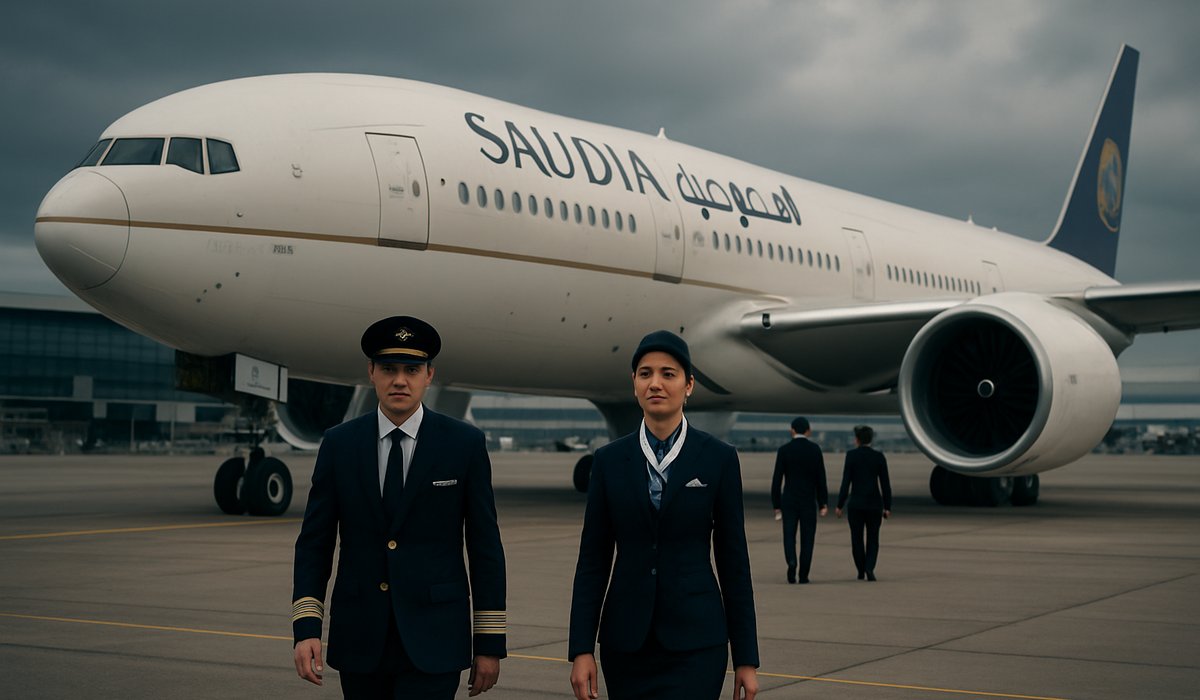
Image generated by AI
Saudi Arabia Distances Itself From Boeing 777 Aircraft Allegedly Smuggled Into Iran Through Covert Operations
Denial comes as investigation reveals pattern of Western jets illegally transferred to Tehran amid international sanctions
Saudi Arabia's national carrier has emphatically rejected any involvement in the covert transfer of five Boeing 777 aircraft into Iran, according to statements released following an international investigation into illicit aviation trafficking networks operating across the Middle East.
Aircraft Diversion Raises Sanctions Enforcement Questions
The alleged smuggling operation, reportedly executed in 2023, has triggered fresh scrutiny into how Western commercial aircraft are being diverted to Iran despite decades of U.S.-led economic sanctions. The five wide-body jets—among the most sought-after commercial aircraft globally—were purportedly routed through intermediaries and shell companies before reaching Iranian operators, according to sources familiar with the trafficking investigation.
Saudia, which operates one of the region's largest fleets, categorically denied facilitating the transaction or maintaining any commercial relationships with entities involved in moving aircraft to Tehran. The airline emphasized its compliance with international aviation regulations and sanctions frameworks governing cross-border aircraft movements.
Pattern of Western Aircraft Reaching Iranian Operators
The investigation has uncovered a broader pattern of commercial aircraft—including Boeing and Airbus models—entering Iranian airspace through unauthorized channels, circumventing official channels and export controls. Industry analysts suggest the operations underscore vulnerabilities in aviation supply chain oversight, particularly as airlines worldwide grapple with fleet modernization pressures and financing constraints.
Geopolitical Context and Sanctions Implications
The incident arrives amid escalating tensions surrounding Iran's aviation sector, which has faced severe restrictions on acquiring new aircraft due to international sanctions. The Boeing 777s represent significant capital assets, valued collectively at hundreds of millions of dollars, and their diversion raises questions about enforcement mechanisms within the global aviation regulatory framework.
Aviation authorities in multiple jurisdictions have launched parallel inquiries to trace aircraft ownership chains and identify intermediaries facilitating the transfers. The episode underscores persistent challenges in monitoring commercial aviation transactions across regions with complex geopolitical dynamics.
Industry Watchdogs Intensify Oversight
The International Air Transport Association and aviation regulatory bodies have signaled increased vigilance regarding aircraft diversion schemes. Compliance requirements for airlines and leasing companies continue tightening as authorities seek to prevent further unauthorized transfers that could circumvent international policy objectives.
Saudia's formal denial suggests the airline faces potential reputational risks despite its stated non-involvement. The carrier reiterated its commitment to transparency and adherence to all international aviation standards and sanctions protocols.
FAQ: Aircraft Smuggling and Aviation Sanctions
Q1: How do aircraft get smuggled across borders despite international oversight? Commercial jets typically require complex documentation and regulatory approvals. Smuggling operations exploit gaps in supply chain monitoring, using intermediaries and offshore entities to obscure ownership transfers before routing aircraft to restricted destinations.
Q2: What are the consequences for airlines implicated in aircraft trafficking? Airlines risk substantial financial penalties, international sanctions designations, license revocations, and reputational damage if found complicit in unauthorized aircraft transfers.
Q3: How do Iran's sanctions restrictions affect its aviation fleet? U.S. and international sanctions prevent Iranian carriers from legally acquiring new Western aircraft or obtaining spare parts, creating pressure to source aircraft through unauthorized channels.
Q4: What enforcement mechanisms exist to prevent aircraft smuggling? Aviation authorities, export control agencies, and international bodies monitor aircraft ownership databases, financing records, and routing patterns to identify suspicious transfers.
Q5: Why are Boeing 777 aircraft particularly targeted for diversion? The 777 is a premium wide-body aircraft with strong resale value and operational capabilities, making it attractive for carriers seeking modern fleets despite sanctions restrictions.
Related Travel Guides
External Resources
Disclaimer
This article is for informational and educational purposes only. It does not constitute legal, financial, or professional advice. While we strive to provide accurate and up-to-date information, travel policies, regulations, and conditions change rapidly. Always verify information with official sources before making travel decisions. Nomad Lawyer makes no representations about the accuracy, reliability, completeness, or suitability of the information provided. Readers should consult qualified professionals for advice specific to their circumstances. The views expressed in this article are those of the author and do not necessarily reflect the views of Nomad Lawyer.
Kunal K Choudhary
Co-Founder & Contributor
A passionate traveller and tech enthusiast. Kunal contributes to the vision and growth of Nomad Lawyer, bringing fresh perspectives and driving the community forward.
Learn more about our team →