
How Boeing 737 Pilots' Ingrained Habits Pose Hidden Dangers During First 787 Dreamliner Approaches
Breaking airline news and aviation industry updates for 2026.

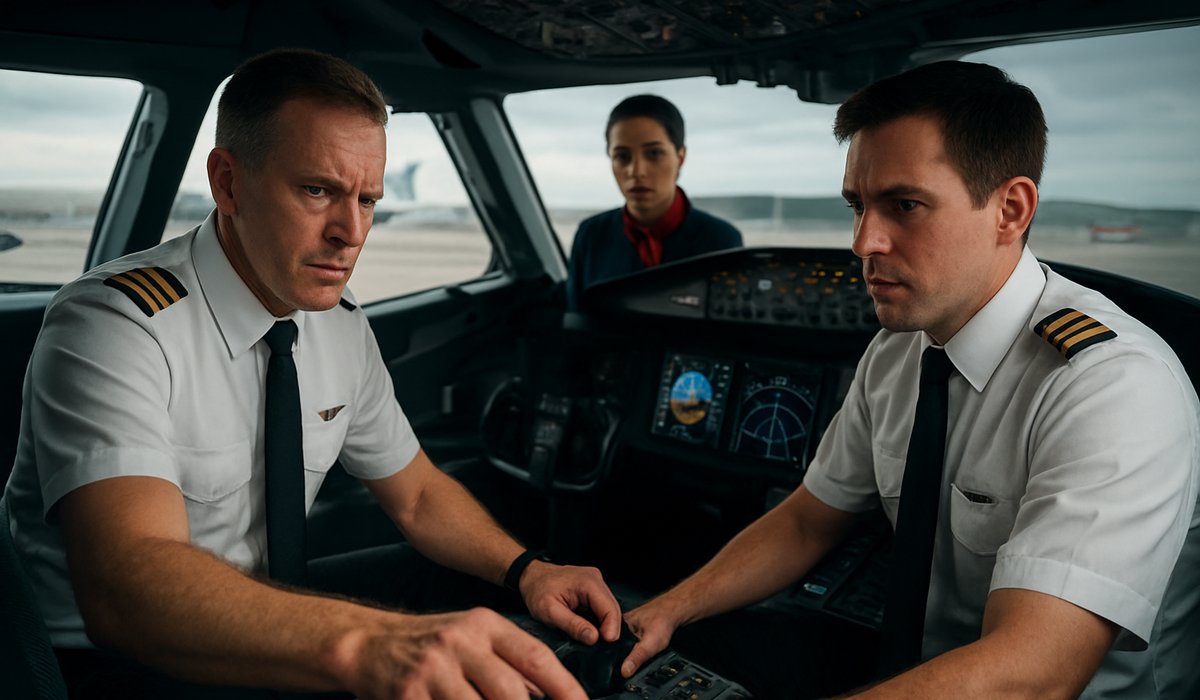
Image generated by AI
How Boeing 737 Pilots' Ingrained Habits Pose Hidden Dangers During First 787 Dreamliner Approaches
The cockpit commonality advantage becomes a liability when muscle memory contradicts modern aircraft systems
The Paradox of Familiarity in the Cockpit
For experienced pilots transitioning from Boeing's workhorse 737 to its advanced 787 Dreamliner, the manufacturer's celebrated design philosophy of cockpit standardization presents an unexpected challenge: the very muscle memory that has kept them safe for thousands of flight hours can become their greatest liability during critical phases of flight.
While Boeing has long marketed seamless transitions between its aircraft families through cockpit commonality—shared displays, standardized procedures, and consistent operating logic—this advantage collapses when pilots attempt their first approaches in the 787. The problem is deceptively straightforward: years of ingrained habits, honed through repetitive 737 operations, actively conflict with the Dreamliner's fundamentally different systems and response characteristics.
Where Routine Becomes Risk
The 787 represents a technological leap from the 737, featuring fly-by-wire systems, advanced automation, and revised control logic that demands a different cognitive approach. During approach and landing—the aviation industry's most safety-critical phase—a 737 pilot's automatic responses can trigger unintended aircraft behavior or lead to procedural errors that their training hasn't adequately prepared them to recognize and correct.
Industry safety analysts emphasize that this isn't a flaw in Boeing's design but rather a cognitive limitation inherent to pilot retraining. The human brain's reliance on procedural memory means that under workload stress—precisely when approaching an airport—pilots default to deeply embedded behavioral patterns rather than consciously executing new procedures.
The Training Gap
Airlines operating both 737 and 787 fleets have increasingly recognized this vulnerability, implementing enhanced transition training protocols that specifically target habit interference. Yet regulatory standards and practical scheduling constraints often compress this critical reorientation period, leaving some pilots to discover dangerous divergences between their expectations and actual aircraft behavior during live operations.
Expert flight instructors now emphasize "unlearning" alongside learning—a challenging pedagogical task that requires pilots to consciously suppress decades of automatic responses while simultaneously acquiring new muscle memory patterns.
Industry-Wide Implications
As global aviation continues fleet modernization, this transition challenge affects thousands of pilots annually. The issue underscores a broader aviation industry concern: that technological progress can outpace human factors integration, creating hidden safety margins that only become apparent through operational experience or accident investigation.
FAQ: Boeing 737 to 787 Pilot Transitions
Q: Why does cockpit commonality between Boeing aircraft create problems during 787 transitions? A: While commonality simplifies some aspects, the 787's advanced systems operate fundamentally differently, causing ingrained 737 habits to contradict proper Dreamliner procedures during high-workload phases like approaches.
Q: How dangerous is this transition period for passengers? A: Airlines and regulatory bodies have implemented enhanced training to mitigate risks, though the transition remains a recognized safety concern during critical flight phases.
Q: What specific 737 procedures conflict with 787 operations? A: Control inputs, automation engagement, and approach descent planning differ significantly, particularly in how pilots interact with flight management systems.
Q: How long does it take for pilots to overcome these habitual conflicts? A: Most pilots require 20-50 hours of dedicated 787 experience to consistently suppress 737-based automatic responses.
Q: Are other aircraft manufacturers addressing this human factors challenge? A: Yes, Airbus and other manufacturers incorporate specific "habit interference" training into transition programs between their aircraft families.
Related Travel Guides
External Resources
Disclaimer
This article is for informational and educational purposes only. It does not constitute legal, financial, or professional advice. While we strive to provide accurate and up-to-date information, travel policies, regulations, and conditions change rapidly. Always verify information with official sources before making travel decisions. Nomad Lawyer makes no representations about the accuracy, reliability, completeness, or suitability of the information provided. Readers should consult qualified professionals for advice specific to their circumstances. The views expressed in this article are those of the author and do not necessarily reflect the views of Nomad Lawyer.
Preeti Gunjan
Contributor & Community Manager
A passionate traveller and community builder. Preeti helps grow the Nomad Lawyer community, fostering engagement and bringing the reader experience to life.
Learn more about our team →