SiteMinder Introduces AI Powered Dynamic Commerce Engine to Help Hotels Unlock Hidden Revenue Opportunities

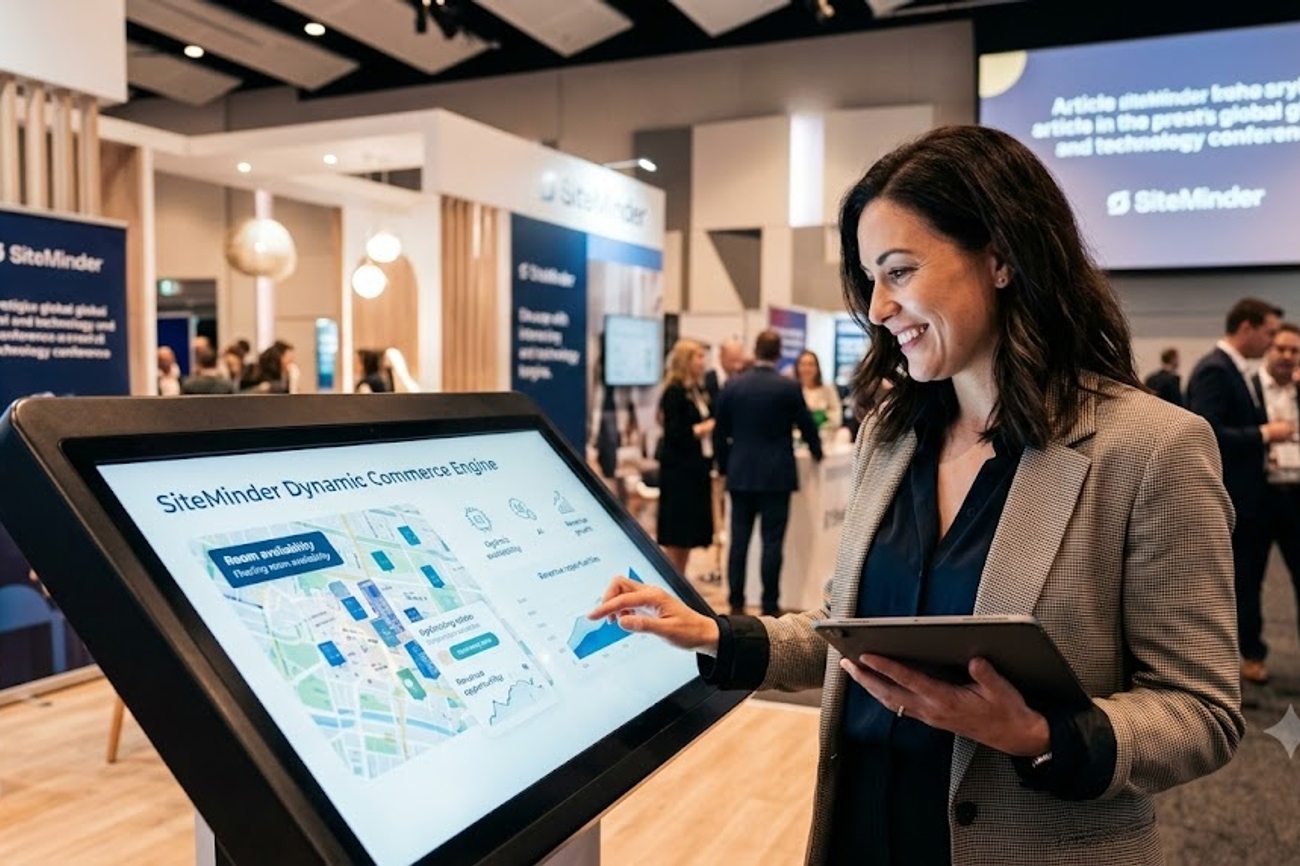
Image generated by AI
[Sydney, October 2024] — SiteMinder has launched the Dynamic Commerce Engine, an AI-driven platform designed to move hotel revenue management beyond simple room-rate adjustments to a comprehensive optimization of distribution channels.
The new system utilizes machine learning to analyze billions of data points across availability, rates, and inventory signals. By integrating data from more than 56,000 hotels globally, the engine identifies technical friction points in the booking process—such as incorrect room mapping or disconnected distribution partners—that typically cause revenue leakage without the knowledge of hotel operators.
The Shift from Pricing to Distribution
For decades, the hospitality sector has relied on revenue management systems that primarily suggest price hikes or drops based on market demand. SiteMinder is challenging this model by asserting that competitive pricing is useless if the underlying distribution infrastructure is broken.
The Dynamic Commerce Engine addresses the "execution gap," where hotel managers understand that their digital presence needs improvement but lack the technical resources to implement changes. The platform does not merely provide a report of what is wrong; it identifies specific commercial opportunities across both direct and indirect channels and suggests immediate corrective actions.
This shift is driven by the realization that technical errors—such as inaccurate availability information or broken links between a hotel's property management system and an Online Travel Agency (OTA)—act as invisible barriers to sales. By analyzing the entire commercial ecosystem, the engine ensures that the path from a guest's search to a confirmed booking is frictionless.
Affected Travelers, Airlines and Logistics by Digital Friction
The impact of poor distribution technology is felt across the global hospitality market, affecting various stakeholders:
- Hotel Operators: Properties currently managing inventory across multiple platforms are most susceptible to "hidden" financial losses caused by incorrect room mapping or outdated digital information.
- Global Travelers: Guests utilizing Expedia Group or Booking Holdings who encounter inconsistent pricing or availability across different sites.
- Revenue Managers: Professionals who have previously relied solely on pricing data and now require visibility into the technical performance of their distribution partners.
- Small to Mid-Sized Hotels: Independent properties that lack dedicated IT departments to manually audit their digital distribution channels.
Practical Traveler Advisory and Strategic Insights
For the average person booking a trip, this technological shift translates to a more reliable and transparent booking experience. SiteMinder’s research involving 12,000 travelers across 14 countries highlighted a systemic failure in the current hotel digital experience: more than 50% of respondents admitted to abandoning a reservation due to a poor digital interface.
When hotels implement this type of dynamic commerce technology, travelers will notice several immediate improvements:
- Price Consistency: A reduction in "price shock," where the rate seen on a search engine differs from the rate presented at the final checkout screen.
- Inventory Accuracy: A decrease in the frequency of "ghost availability," where a room appears available on a third-party site but is actually sold out.
- Reliable Information: Better alignment between property photos, room descriptions, and the actual product delivered, reducing the likelihood of guest dissatisfaction upon arrival.
- Faster Checkout: Streamlined connectivity between the hotel and the booking agent, leading to fewer technical glitches during the payment process.
SiteMinder's introduction of an AI-powered dynamic commerce engine is set to revolutionize the hotel industry by helping hotels unlock hidden revenue opportunities. This innovative technology is expected to enhance the customer experience and increase hotel bookings, as outlined on the official SiteMinder website. By leveraging this technology, hotels can optimize their pricing and distribution strategies to maximize revenue.
The Role of AI in Hotel Governance
Despite the heavy reliance on artificial intelligence, the Dynamic Commerce Engine is not an autonomous system. SiteMinder has implemented a "human-in-the-loop" architecture. The AI identifies the opportunity and proposes the solution, but hotel staff must review and approve every action before it goes live.
This prevents the "black box" problem common in early AI implementations, where automated pricing algorithms would occasionally crash rates to unsustainable levels during unexpected market volatility. By combining machine learning with human expertise, hotels can scale their distribution efforts without losing operational control over their brand or profit margins.
The system leverages two decades of hospitality data, analyzing the interactions of millions of rooms to predict which changes will yield the highest business value. This proactive approach replaces the traditional reactive model, where hotels only fixed distribution errors after noticing a drop in bookings.
The Future of Hospitality Commerce
The launch of the Dynamic Commerce Engine signals a broader trend toward the "intelligent automation" of the travel industry. As guest expectations evolve, the ability to maintain a flawless digital storefront becomes as important as the physical quality of the hotel rooms.
Industry analysts expect a surge in the adoption of AI tools that bridge the gap between data insight and operational execution. The goal is to create a seamless connection between hotel inventory and global guest demand, ensuring that no room remains empty simply because of a technical glitch in a distribution API.
As more properties integrate these systems, the competitive advantage will shift from those who have the lowest price to those who provide the most reliable and accessible booking journey.
FAQ: Hotel Distribution AI 2024
Does this technology automatically change my hotel's room rates? No. While the system identifies pricing opportunities and distribution errors, all recommended actions must be reviewed and approved by the hotel's management team before they are implemented.
How does this differ from standard revenue management software? Standard software focuses almost exclusively on price optimization. This engine analyzes the distribution layer, fixing technical issues like incorrect room mapping and disconnected channels that prevent bookings from occurring.
Why do travelers abandon hotel bookings? According to SiteMinder's study of 12,000 travelers, over half abandon bookings due to poor digital experiences, including unreliable photos, inconsistent information, or technical glitches during the reservation process.
Which hotels benefit most from dynamic commerce engines? Properties that distribute their rooms across multiple online channels (OTAs) and direct websites benefit most, as they have the highest risk of data discrepancies and distribution errors.
The era of "set and forget" hotel pricing is over; the battle for occupancy has moved to the distribution layer.
Tags: SiteMinder, Hotel Revenue Management, AI Hospitality 2024, Distribution Optimization, Booking Friction, Hotel Tech Stack
Related Travel Guides
This article is for informational purposes. Flight routes, passenger regulations, visa rules, and transit advisories are subject to change by airlines and aviation authorities. Readers are advised to verify schedules and travel documentation with relevant carriers and border agencies before departure.
Related Stories
EU Probes Booking.com Under Digital Services Act Over Fake Hotel Listings, Hijacked Reservations, and Search Ranking Transparency