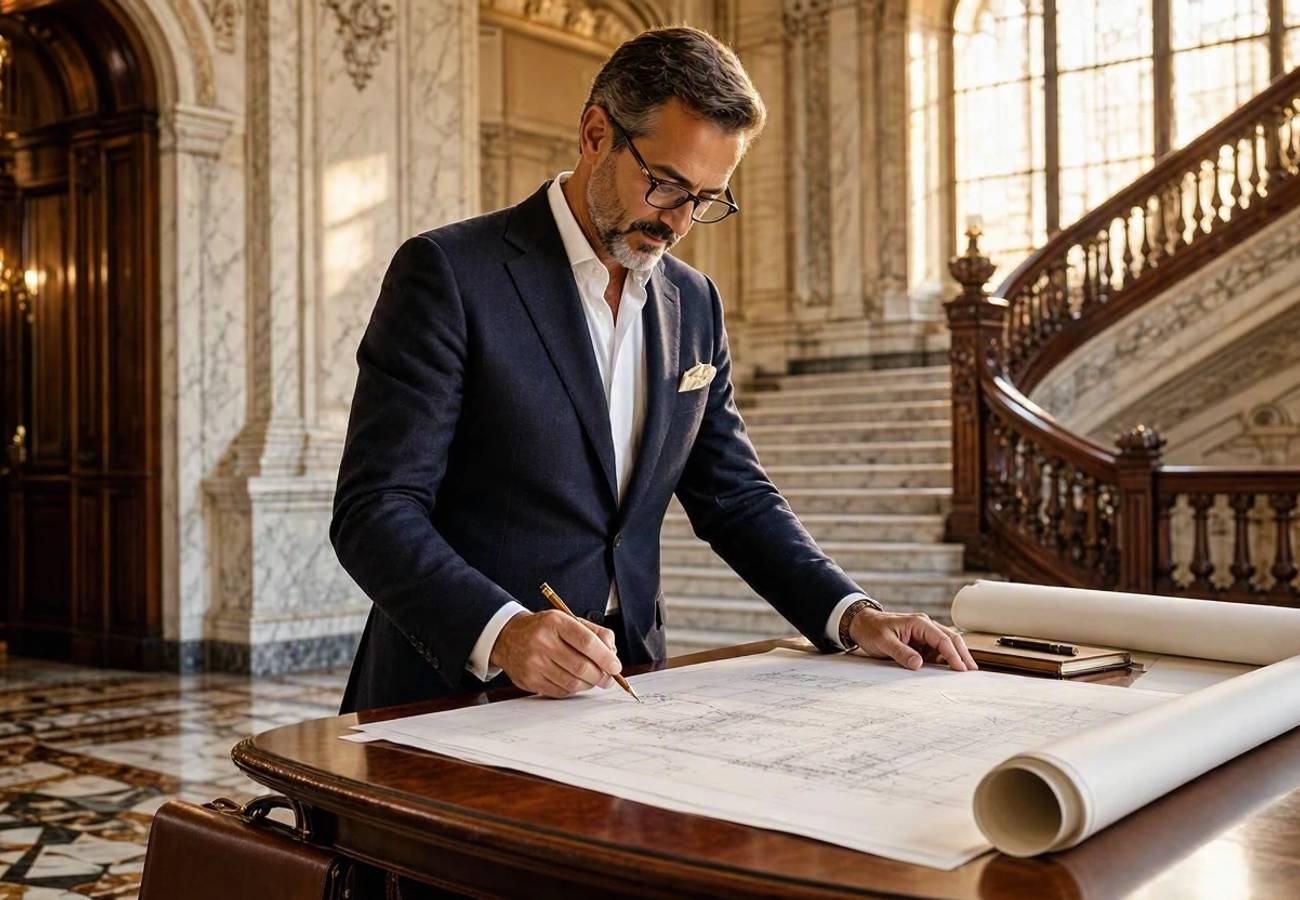
Singapore Hospitality Triumph As Four Seasons Wins Michelin Key For Outstanding Luxury Stays

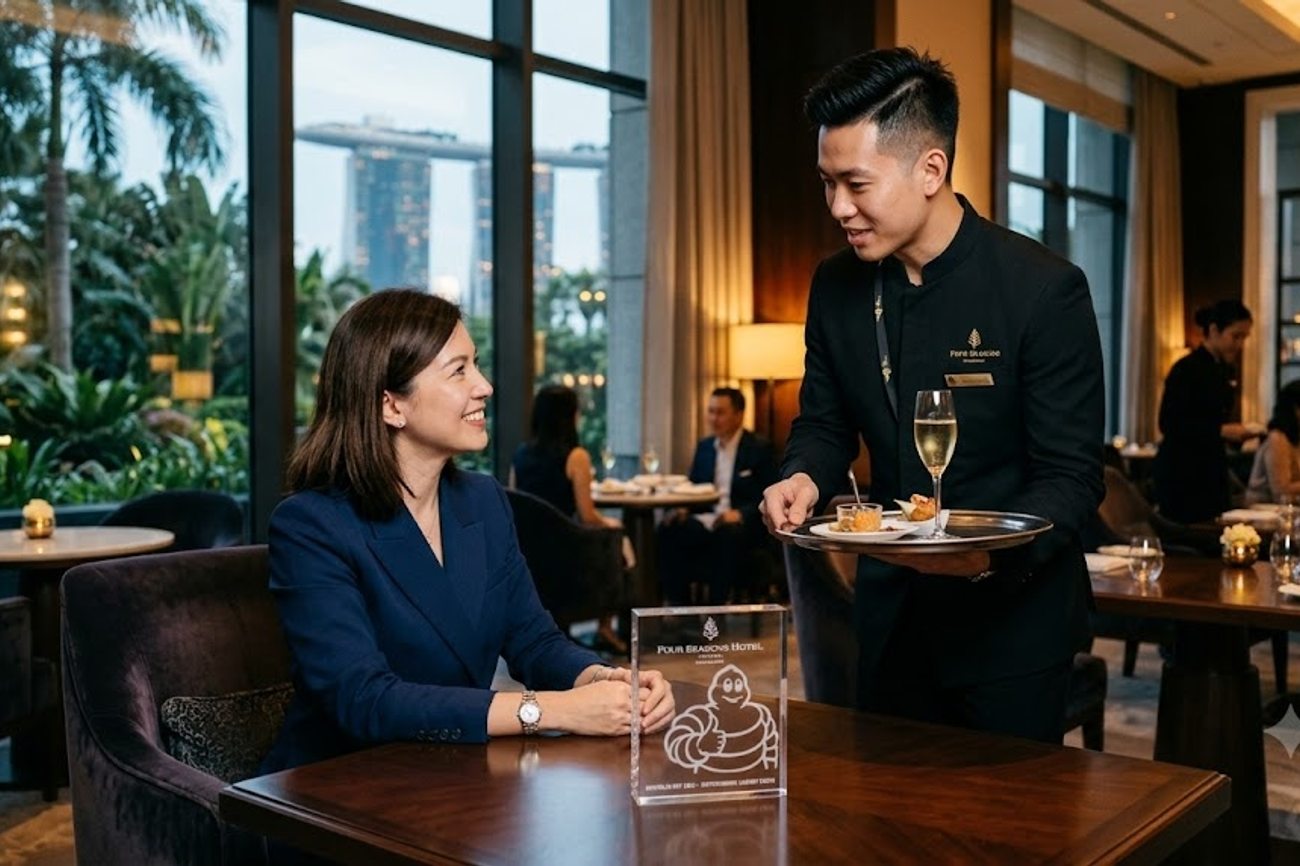
Image generated by AI
title: "Beyond the Gilded Lobby: Decoding Singapore's New Era of Ultra-Luxury" date: 2025-05-20 category: Destination Feature author: "Naina Thakur" While most travelers associate Singapore's luxury scene with towering skyscrapers and sterile gold leaf, the city's elite hospitality is shifting toward "invisible service"—where the goal is to anticipate a guest's need before they even realize it exists. This evolution is most evident at the Four Seasons Hotel Singapore, which has secured a One Michelin Key in the 2026 Michelin Guide hotel selection. Unlike a star rating, which often focuses on the physical assets of a building, the Michelin Key is an endorsement of the "stay experience," awarded after anonymous inspections that scrutinize everything from the architectural flow to the emotional intelligence of the staff.
The Shift Toward Emotional Luxury in Singapore
For years, the benchmark for a high-end stay in the Lion City was defined by the size of the marble bathtub or the thread count of the linens. However, the 2026 Michelin Guide recognition for the Four Seasons Hotel Singapore signals a broader trend: the rise of the "urban sanctuary." Located along Orchard Boulevard, the property is moving away from the frantic energy of the nearby shopping districts to offer a space defined by quietude and personalized connection.
This transition is rooted in what the property calls the Golden Rule philosophy. In practical terms, this means the service is no longer transactional. Instead of a standard check-in process, the focus is on intuitive hospitality—small, unprompted gestures that make a traveler feel known rather than processed. This approach is a response to a new breed of global nomad who values authenticity and mental well-being over ostentatious displays of wealth. By securing the One Michelin Key for the second year running, having first entered the selection in 2025, the hotel is cementing a standard where the "human element" is the primary luxury.
Redefining the High-End Suite Experience
The physical evolution of the hotel is mirroring the changing demographics of luxury travel. We are seeing a surge in multigenerational travel—families who want to travel together without sacrificing their privacy. To address this, the hotel has launched a new Three-Bedroom Premier Suite.
Spanning 180 square metres, this isn't just a larger room; it is a carefully engineered living space. It features a private entrance and a discreet corridor that separates three distinct bedrooms, allowing for a balance of shared social time in the spacious living areas and total seclusion in the sleeping quarters. This suite joins a broader collection of 41 suites, ranging from Specialty to Presidential categories, all designed to act as private residences rather than temporary hotel rooms. For the high-net-worth traveler, the luxury is no longer just the space itself, but the ability to control how that space is shared with others.
A Convergence of Gastronomy and Longevity
In Singapore, luxury is increasingly measured by how a hotel integrates health and taste. The Four Seasons has moved beyond the traditional "hotel restaurant" model to create a culinary ecosystem that mirrors the city's own multicultural identity.
The dining options are a study in contrast and precision. For those seeking the pinnacle of Cantonese refinement, Jiang-Nan Chun remains a Michelin-selected staple. For a more avant-garde experience, Nobu Singapore blends Japanese technique with Peruvian flavors, offering a taste profile that is as bold as the city's architecture. Meanwhile, One-Ninety provides a botanical escape blending East and West, and the Pool House offers a slower, more relaxed pace of dining.
However, the most significant trend is the integration of "Longevity Tourism." The property has moved past the standard massage menu by incorporating the Chi Longevity Clinic. This is not a typical spa; it is a science-led facility focused on vitality and long-term health. When paired with the Four Seasons Spa, the hotel transforms from a place to sleep into a destination for biological optimization. This alignment of high-end dining and medical-grade wellness is exactly what the Singapore Tourism Board is promoting as the city evolves into a global hub for health and wellness.
Visitor Insider Tips
To experience the Orchard Boulevard area like a local—and not a tourist—you need to understand the rhythm of the district.
The Timing Hack: Most visitors flock to the Orchard Road shopping belt during the day. To truly enjoy the "sanctuary" feel of the hotel and the surrounding boulevard, schedule your wellness treatments or afternoon tea for Tuesday or Wednesday afternoons. The energy is significantly calmer, and the staff can provide a more tailored experience.
Dining Etiquette: When visiting Jiang-Nan Chun, remember that Cantonese dining is a communal experience. If you are dining in a group, allow the server to suggest the flow of dishes. The art of the meal is in the progression of flavors, and rushing the order can disrupt the intended culinary narrative.
Transport Nuances: While taxis are plentiful, the most efficient way to navigate from the hotel to the nearby UNESCO World Heritage sites (like the Singapore Botanic Gardens) is via a pre-booked private car or the MRT system during off-peak hours (10 AM to 4 PM) to avoid the crushing crowds of the morning commute.
Neighborhood Base: If you are staying at the Four Seasons, don't spend all your time on the main drag. Walk toward the quieter residential pockets of Orchard Boulevard to find boutique galleries and smaller cafes that escape the mainstream crowds.
Cultural and Environmental Context
The rise of "Michelin Key" hotels in Singapore happens against a backdrop of intense urban density. In a city-state where land is the most precious commodity, the concept of an "urban sanctuary" is a political and social statement. By prioritizing green spaces and quiet zones, luxury hotels are attempting to mitigate the "concrete jungle" effect, creating micro-environments that offer psychological relief from the city's high-pressure corporate culture.
Furthermore, the shift toward longevity and wellness reflects a broader societal move in Singapore toward preventative healthcare. The integration of clinics like Chi Longevity within a hotel setting shows how the boundaries between hospitality and healthcare are blurring. However, this trend also highlights a divide; these high-end wellness experiences are often inaccessible to the general population, creating a tiered system of "wellness" in the city.
From an environmental perspective, the luxury sector in Singapore is under increasing pressure to move toward sustainability. While the source material focuses on the guest experience, the broader industry is grappling with the energy costs of maintaining massive climate-controlled suites and pools in a tropical climate. The future of the Michelin Key will likely depend not just on how the guest feels, but on how the hotel impacts the local ecosystem.
FAQ: Visiting Singapore 2026
What is the best time to visit Singapore? The weather is consistently tropical, but February to April generally sees slightly less rainfall. For those interested in the luxury scene, visiting during the Great Singapore Sale or the Formula 1 Grand Prix provides a high-energy atmosphere, though hotel rates peak during these times.
Do I need a visa to enter Singapore? Visa requirements depend on your nationality. Many travelers enjoy visa-free entry for up to 90 days, but you must complete the SG Arrival Card (SGAC) electronically within three days before arrival. Check the official Immigration & Checkpoints Authority for current rules.
How do I get to Orchard Boulevard from Changi Airport? The most seamless option for luxury travelers is a private limousine transfer, taking approximately 20-30 minutes. Alternatively, a taxi or ride-share app like Grab is efficient and widely available at all terminals.
Is Singapore safe for solo luxury travelers? Absolutely. Singapore is consistently ranked as one of the safest cities globally. Solo travelers can comfortably explore the Orchard area or dine at high-end establishments at any hour without safety concerns.
The true luxury of the modern age isn't found in the gold leaf, but in the silence of a well-timed moment.
Related Travel Guides
This article is for informational purposes. Flight routes, passenger regulations, visa rules, and transit advisories are subject to change by airlines and aviation authorities. Readers are advised to verify schedules and travel documentation with relevant carriers and border agencies before departure.
Related Stories
Marriott Unveils 2026 Holiday and New Year Programmes Across 11 Luxury Resorts in the Americas
EU Probes Booking.com Under Digital Services Act Over Fake Hotel Listings, Hijacked Reservations, and Search Ranking Transparency