
Sipan Island Guide 2026: Slow Travel and Local Life in Croatia's Elafiti Archipelago
Escape the cruise crowds of Dubrovnik for Sipan Island, a 16-square-kilometre sanctuary of olive groves, Renaissance villas, and authentic Dalmatian slow travel.
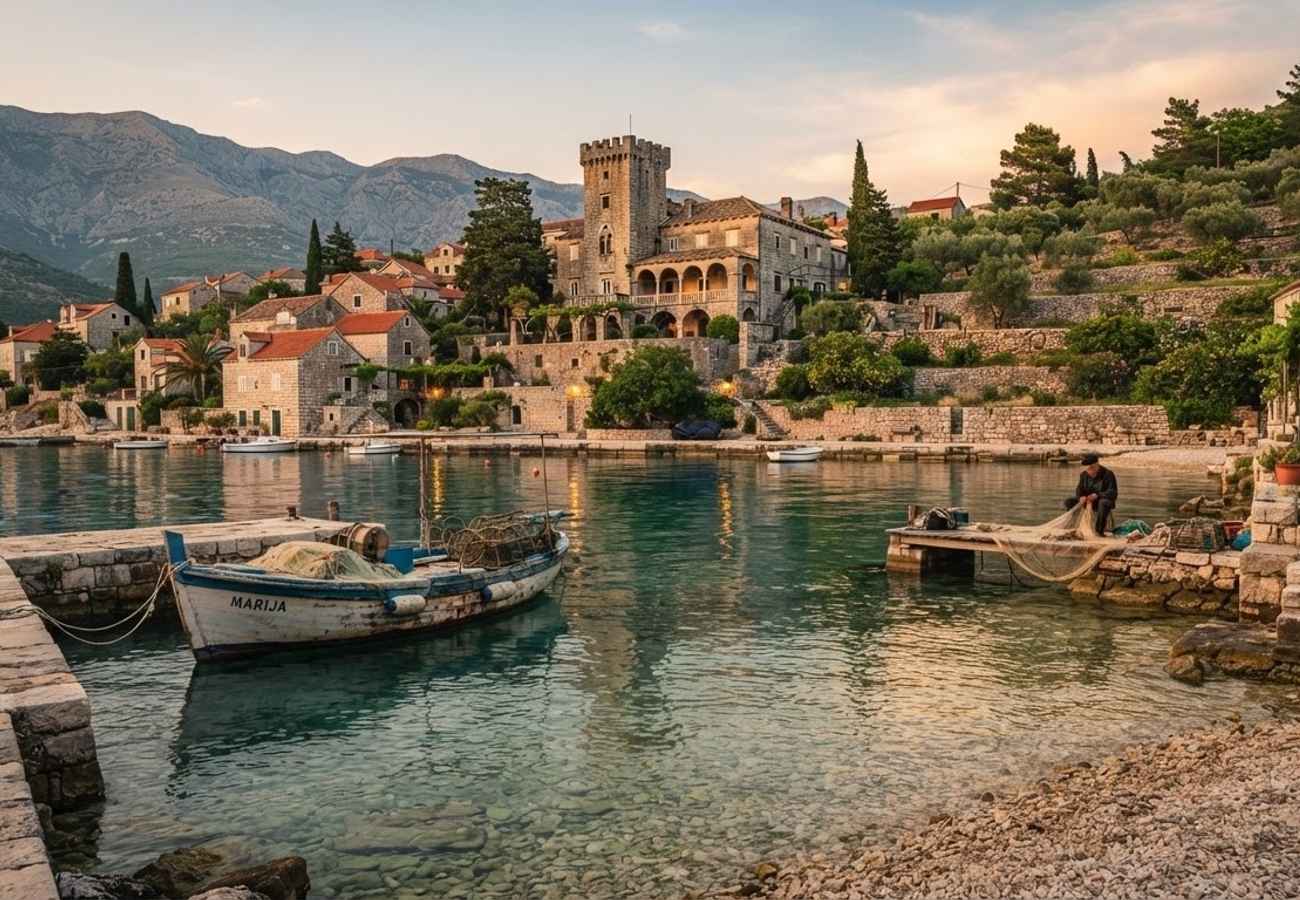
Image generated by AI
A 45-minute ferry ride from Dubrovnik leads to a 16-square-kilometre sanctuary where the rhythm is set by church bells and fishing boats rather than resort schedules.
The Shift Toward Intentional Isolation
While Dubrovnik’s walled city struggles with the pressures of mass tourism, Sipan is emerging as a primary destination for "slow travel." Unlike its neighbor Lopud, which draws crowds for its sandy shores, Sipan remains a lived-in community where agriculture and fishing take precedence over hospitality. The trend here is not about "sightseeing" in the traditional sense—there are no ticket offices or queues—but about integrating into the local cadence of the Elafiti Islands.
The island’s identity is rooted in its land. Sipan holds a Guinness World Record for the number of olive trees relative to its size and population. This agricultural backbone ensures that the valley between the two main villages remains a patchwork of dry-stone walls, citrus groves, and vineyards rather than a corridor of hotels. For the visitor, the real impact is a feeling of genuine residency; staying for a few nights transforms the experience from a day trip into a series of familiar interactions with the same bakers, fishermen, and guesthouse owners.
Cultural and Environmental Value
Sipan represents a sustainable model of tourism where the local economy is diversified. By maintaining its olive oil and wine production, the island avoids the "museumification" seen in other Mediterranean hubs. The experience is defined by simplicity: grilled fish sourced from that morning's catch and house wines produced on the island or the nearby Pelješac Peninsula.
In the shoulder months of May, June, September, and early October, the value proposition shifts. Travelers often find waterfront dinners of grilled sardines and local white wine at prices significantly lower than a basic pizza in central Dubrovnik. This economic balance supports the regional heritage, ensuring that the stone villas and agricultural terraces are maintained for their original purpose rather than being converted entirely into tourist rentals.
Navigating the Two Hubs
Suđurađ: The Gateway
Most arrivals dock in Suđurađ via the Jadrolinija line from Dubrovnik. This compact village is defined by the 16th-century fortified Renaissance villa and tower of the Stjepović-Skočibuha family, a structure originally designed to defend against pirate raids.
Beyond the architecture, Suđurađ serves as the practical heart of the island, housing the main bus stop, a bakery known for fresh morning burek, and several konobas (traditional taverns). The village is ideal for those without cars, offering a blend of historical exploration and easy access to the mainland.
Šipanska Luka: The Slow-Stay Base
Located at the western end of the island, Šipanska Luka is the larger of the two settlements and the preferred choice for longer stays. The harbor is deep and sheltered, creating a calm atmosphere even during offshore winds.
The waterfront is the center of social life. Establishments like Kod Marka are staples for sailors and repeat visitors, serving black risotto and sea bream paired with regional Pošip or Malvasija wines. The lack of loud music and rows of commercial loungers on the local pebble beaches reinforces the island's commitment to a quieter, more respectful form of tourism.
The Rural Interior: The Heart of Sipan
The 4 to 5 kilometre road connecting Suđurađ and Šipanska Luka is the island's most vital artery. This route provides a first-hand look at the agricultural heritage of the Elafiti Islands.
| Travel Method | Estimated Time | Experience |
|---|---|---|
| Walking | 60–90 Minutes | Immersive; allows for photography of stone sheds and chapels. |
| Cycling | 20–30 Minutes | Efficient; ideal for exploring side paths into olive groves. |
| Local Bus | 10–15 Minutes | Practical; connects the two main harbors. |
Walking this path reveals a landscape of low dry-stone walls and small stone wells, offering a meditative transition between the two harbors.
Visitor Insider Tips
- The "Golden Window": Visit in late May or September. You will avoid the July/August price spikes in guesthouses and find the harbors far more tranquil.
- Dining Etiquette: In the konobas, ask for the "catch of the day" rather than the menu. The freshest seafood is often not listed but is what the local fishermen brought in that morning.
- Sustainable Transit: Rent a bicycle or walk the interior road. Avoiding the limited car traffic helps preserve the narrow lanes and reduces the environmental footprint on the island's fragile ecosystem.
- Hidden Swim Spots: Move away from the main quays in Suđurađ. Walk northeast along the bay to find concrete platforms used by locals for pre-breakfast swims.
Tourism Outlook
Sipan is positioned to remain one of Dalmatia’s least showy escapes. By resisting the urge to build large-scale resorts and maintaining its Guinness World Record-holding olive groves, the island protects its primary asset: authenticity. The long-term impact is a destination that attracts high-value, low-impact travelers who contribute directly to the local economy through guesthouses and family-run eateries.
A sanctuary where the only rush is the incoming tide.
Related Travel Guides
Disclaimer
This article is for informational and educational purposes only. It does not constitute legal, financial, or professional advice. While we strive to provide accurate and up-to-date information, travel policies, regulations, and conditions change rapidly. Always verify information with official sources before making travel decisions. Nomad Lawyer makes no representations about the accuracy, reliability, completeness, or suitability of the information provided. Readers should consult qualified professionals for advice specific to their circumstances. The views expressed in this article are those of the author and do not necessarily reflect the views of Nomad Lawyer.