
Singapore and Southeast Asian Neighbors Win Travelers with Cheap Flights
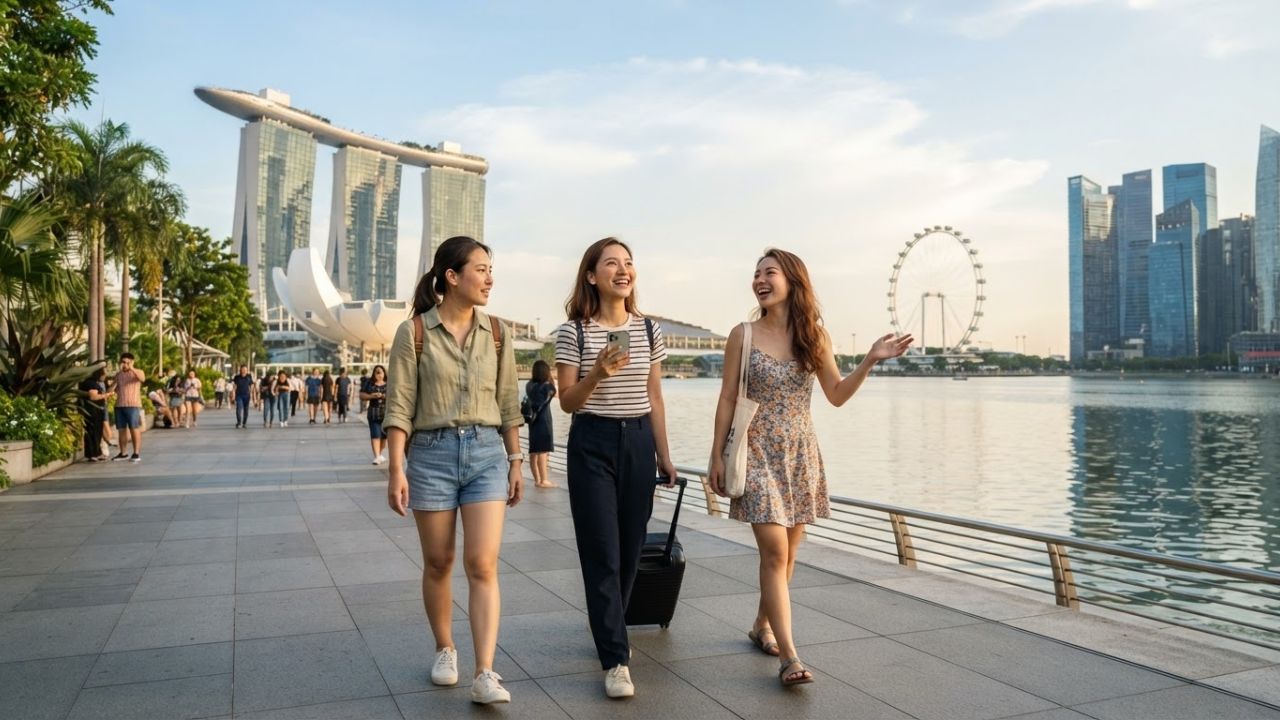
Image generated by AI
Southeast Asia's regional travel market has entered a highly competitive phase as airlines cut airfares to attract budget travelers during the seasonal low period. For two consecutive months, carriers have introduced discounted routes linking major cities, with flights from Ho Chi Minh City, Vietnam, to Singapore, Malaysia, and Thailand dropping to record lows, prompting a rise in short-haul holiday bookings.
The decline in airfare has placed Singapore—traditionally viewed as a premium, high-cost destination—in direct competition with its regional neighbors. Airlines are utilizing promotional base fares, seasonal discounts, and capacity-management strategies to encourage passenger movement between mid-August and late September 2026, excluding peak holiday dates such as Vietnam's September 2 National Day holiday.
The Local Trend: Discounted Airfares Link Southeast Asia
For travelers departing from Ho Chi Minh City’s Tan Son Nhat International Airport, international getaways have become more accessible. Low-cost carriers and full-service airlines are competing aggressively to maintain high seat occupancy before the end-of-year peak holiday rush.
On the Ho Chi Minh City–Singapore route, Vietjet Air introduced promotional economy fares starting from around VND 19,000 before taxes, resulting in a final one-way ticket price of approximately VND 1.6 million (around US$61) after taxes and airport charges. Singapore-based budget carrier Scoot offered one-way tickets between VND 1.4 million and VND 1.8 million (around US$53.5 to US$68.8), while Vietnam Airlines provided full-service options ranging from VND 2.2 million to VND 3 million (approximately US$84.1 to US$114.6).
This competitive environment extends to routes connecting Vietnam with Malaysia and Thailand, where one-way fares are occasionally comparable to the cost of domestic flights, transforming how regional travelers plan their vacations.
Urban Sustainability and Eco-Tourism Initiatives
The increase in regional travel is occurring alongside national sustainability campaigns designed to manage tourism's environmental footprint. In Singapore, the government is executing its Green Plan 2030, a national movement that integrates green buildings, waste reduction, and solar energy systems into the city's infrastructure. Travelers can experience this green transition at major sites like Gardens by the Bay, which uses sustainable cooling technologies and recycled water.
In Malaysia, the island of Langkawi is promoting eco-tourism as Southeast Asia's first UNESCO Global Geopark. The island's conservation focus is highlighted by projects like the Kubang Badak BioGeo Trail, which invites visitors to participate in community-based mangrove tours and limestone cave explorations, supporting rural economies while preserving local biodiversity. By utilizing these low-impact transit systems and visiting certified eco-destinations, travelers help minimize carbon emissions associated with regional tourism growth.
Community Integration: Supporting Hawkers and Local Enterprises
The availability of cheap flights allows travelers to direct their savings into local micro-economies. In Singapore, this supports the preservation of Hawker Culture, which was inscribed on the UNESCO Representative List of the Intangible Cultural Heritage of Humanity in 2020. Hawker centers function as community dining halls, offering affordable traditional dishes prepared by local cooks.
Similarly, in Malaysia and Thailand, budget travelers support regional markets, street food vendors, and independent guesthouses. For the visitor, choosing family-run dining spots over international restaurant chains ensures that tourism revenue directly supports local operators, contributing to community development and the preservation of culinary heritage.
In addition, this model supports community conservation projects. Many budget travelers choose to participate in volunteer beach cleanups and environmental education programs run by local non-profit organizations in Langkawi and Phuket. By choosing eco-tours and buying local goods, travelers contribute to the preservation of these unique coastal ecosystems.
Traditional Gastronomy: Regional Culinary Specialties
Exploring Southeast Asia's food sectors allows visitors to experience traditional dishes prepared using regional spices and fresh ingredients:
- Char Kway Teow (Singapore/Malaysia): A stir-fried noodle dish made with flat rice noodles, light and dark soy sauce, chili, shrimp paste (belachan), whole cockles, bean sprouts, and Chinese chives, cooked over high heat to achieve a distinct smoky flavor (wok hei). The noodles are traditionally tossed quickly in a hot wok to ensure the ingredients are evenly seared, and are often served with sliced Chinese sausage and fish cakes.
- Nasi Lemak (Malaysia/Singapore): A fragrant rice dish cooked in coconut milk and pandan leaves, traditionally served with a spicy chili paste (sambal), fried anchovies (ikan bilis), peanuts, cucumber slices, and a hard-boiled egg. The dish represents a staple of regional breakfast traditions, traditionally wrapped in banana leaves to seal in the coconut aroma.
- Tom Yum Goong (Thailand): A hot and sour Thai soup cooked with shrimp, mushrooms, lemongrass, galangal, kaffir lime leaves, lime juice, and crushed chili peppers, representing a staple of Thai culinary culture. The aromatic herbs provide a sharp, refreshing flavor profile, making it a popular choice for shared family meals.
- Katong Laksa (Singapore): A spicy noodle soup featuring a rich coconut milk curry broth, flavored with dried shrimp and topped with cockles, prawns, and fish cakes, served with thick rice noodles cut short so they can be eaten easily with a spoon. The recipe represents a signature dish of the Peranakan (Straits Chinese) community.
- Mango Sticky Rice (Thailand): A popular Thai dessert consisting of sweet glutinous rice steamed with coconut milk, served with fresh, ripe mango slices and drizzled with a thick coconut cream syrup, representing a staple of summer street food. The dessert is commonly sold at night markets throughout Bangkok and Phuket.
Visitor Insider Tips: Traveling on a Budget in Southeast Asia
To ensure a smooth and budget-friendly journey through Singapore, Malaysia, and Thailand, consider these practical guidelines:
- Hawker Centre Etiquette: When dining in Singapore's hawker centers, it is customary to reserve a table by placing a tissue pack or umbrella on the seat—a practice known locally as "choping." Always return your dirty trays and crockery to the designated return stations to comply with local regulations.
- Validate Transportation Tickets: When using public transport systems, such as Kuala Lumpur’s LRT or Bangkok’s BTS Skytrain, purchase an electronic transit card (like Singapore's EZ-Link or Bangkok's Rabbit Card) to secure discounts and avoid queuing for single-trip tokens.
- Carry Reusable Bottles: In Singapore, tap water is safe to drink. Carry a reusable bottle and refill it at public taps to save money and reduce plastic waste. In Malaysia and Thailand, use filtered water refill stations located at major convenience stores.
- Dress Modestly at Temples: When visiting historical temples—such as Bangkok's Wat Fo or Penang's Kek Lok Si—dress modestly by ensuring shoulders and knees are covered. Remove your shoes before entering main prayer halls.
- Review Low-Cost Baggage Limits: Budget tickets on Scoot and Vietjet Air do not include checked baggage or meals. Verify weight limits for carry-on bags (usually 7kg) before heading to Tan Son Nhat airport to avoid paying expensive excess baggage fees at the gate.
Outlook: The Future of Southeast Asian Travel
The low-fare competition between Singapore, Malaysia, and Thailand shows how regional flight connectivity is transforming the travel sector. By combining low transportation costs with urban sustainability projects and heritage preservation, these destinations are positioning themselves for long-term visitor growth.
Future developments will focus on the expansion of high-speed rail links connecting Bangkok with northern cities, the digital integration of cross-border payment systems, and the implementation of green aviation fuel initiatives. By protecting local habitats and supporting community-based enterprises, the region's tourism sector is building a resilient travel framework that keeps Southeast Asia's cultural and natural heritage open to international travelers.
Related Travel Guides
- Brazil Joins Argentina and Chile in Birth Tourism Crackdown as Russian Travelers Face Stricter Border Refusals
- Portugal Travel Opens Exciting Short Breaks Across Lisbon Porto Heritage Cities and Coastlines
- Travel Estonia Taking Center Stage: Why Solo Female Travelers Are Choosing This Baltic Nation in 2026
Disclaimer
This article is for informational and educational purposes only. It does not constitute legal, financial, or professional advice. While we strive to provide accurate and up-to-date information, travel policies, regulations, and conditions change rapidly. Always verify information with official sources before making travel decisions. Nomad Lawyer makes no representations about the accuracy, reliability, completeness, or suitability of the information provided. Readers should consult qualified professionals for advice specific to their circumstances. The views expressed in this article are those of the author and do not necessarily reflect the views of Nomad Lawyer.