
Singapore Airlines Boeing 737 MAX Suffers Tire Blowout at Kuala Lumpur, Triggering Major Airport Disruption
Breaking airline news and aviation industry updates for 2026.

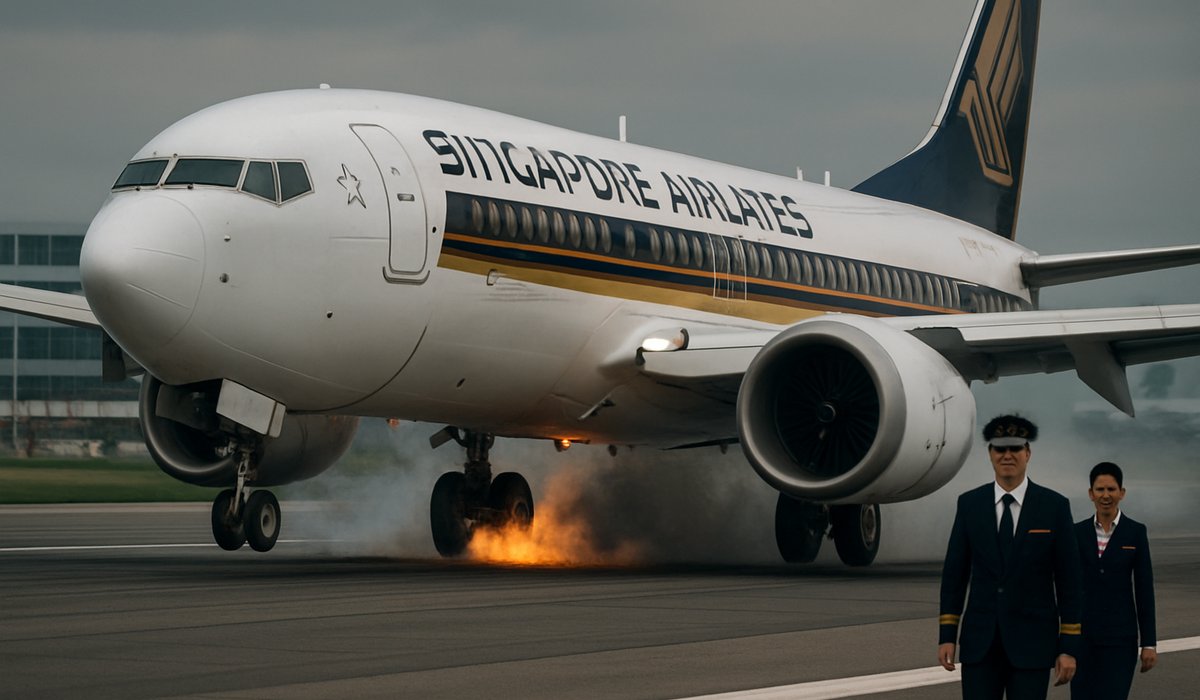
Image generated by AI
Singapore Airlines Boeing 737 MAX Suffers Tire Blowout at Kuala Lumpur, Triggering Major Airport Disruption
Double landing gear failure forces runway closure, impacting regional flight operations and raising fresh questions about aircraft maintenance protocols
Critical Incident Grounds Major Runway
A Singapore Airlines Boeing 737 MAX 8 experienced a catastrophic dual tire failure upon landing at Kuala Lumpur International Airport on June 13, forcing authorities to shut down a primary runway for over six hours and triggering widespread travel delays across the busy Southeast Asian hub.
Singapore Airlines flight SQ114, operating the high-frequency Singapore-Kuala Lumpur route, encountered the landing gear malfunction as the aircraft touched down at KLIA. The incident, while fortunately resulting in no passenger or crew injuries, created significant operational chaos at one of the region's most critical aviation infrastructure points.
Operational Fallout and Recovery Timeline
The double tire burst necessitated the extended runway closure as airport crews cleared debris and conducted safety assessments. The extended downtime reverberated throughout KLIA's operations, forcing airlines to divert incoming flights, delay departures, and reschedule numerous regional connections during the six-hour-plus recovery period.
The 737 MAX 8, one of Boeing's most widely deployed narrow-body aircraft following its return to service after previous safety concerns, performed as designed during the emergency landing scenario. Engineers subsequently initiated comprehensive ground inspections to determine whether maintenance protocols had been fully observed prior to the flight's departure from Singapore Changi Airport.
Broader Aviation Safety Implications
The incident underscores persistent scrutiny surrounding aircraft maintenance standards across regional carriers, particularly as budget pressures and fuel cost fluctuations continue to strain airline profitability throughout Southeast Asia. While tire failures remain statistically rare, they highlight the critical importance of pre-flight ground inspections and landing gear integrity assessments.
Industry observers note that such incidents, though manageable when handled properly, expose vulnerabilities in airport infrastructure resilience—especially at major hubs serving dozens of daily flights. The closure's cascading effects rippled across connecting services, affecting passengers throughout Malaysia and Singapore.
Neither Singapore Airlines nor Kuala Lumpur International Airport officials have publicly disclosed preliminary findings regarding the root cause of the simultaneous tire failures, though routine investigations are underway.
Frequently Asked Questions
What causes double tire failures during aircraft landing? Landing gear tire failures typically result from manufacturing defects, inadequate maintenance protocols, improper inflation levels, or undetected damage from previous flights. Simultaneous dual failures suggest either a systemic maintenance oversight or an undetected pre-flight structural issue.
How does a runway closure impact airline operations and passenger costs? Extended runway closures force flight diversions, generate delay cascades affecting connecting passengers, and can increase operational costs for airlines—expenses sometimes passed to travelers through rebooking fees or schedule changes.
Is the Boeing 737 MAX 8 safe for regional travel? The 737 MAX 8 has resumed operations globally following its 2020 return-to-service. While landing gear incidents are rare, they underscore the importance of rigorous maintenance compliance rather than aircraft type issues.
Why are Southeast Asian airports vulnerable to extended closure times? High-traffic hubs like KLIA often operate with limited runway redundancy, meaning single-runway closures disproportionately impact overall airport capacity and downstream operations.
What preventive measures reduce landing gear failures? Airlines implement detailed pre-flight tire inspections, pressure monitoring systems, and scheduled maintenance intervals to detect wear patterns before critical failure occurs.
Related Travel Guides
-
New York Airport Bookings Plunge 15% as World Cup Fails to Drive Expected Travel Surge
-
American Airports Undergo Major Design Revolution as Mid-Size Terminals Embrace Global Standards
External Resources
Disclaimer
This article is for informational and educational purposes only. It does not constitute legal, financial, or professional advice. While we strive to provide accurate and up-to-date information, travel policies, regulations, and conditions change rapidly. Always verify information with official sources before making travel decisions. Nomad Lawyer makes no representations about the accuracy, reliability, completeness, or suitability of the information provided. Readers should consult qualified professionals for advice specific to their circumstances. The views expressed in this article are those of the author and do not necessarily reflect the views of Nomad Lawyer.
Kunal K Choudhary
Co-Founder & Contributor
A passionate traveller and tech enthusiast. Kunal contributes to the vision and growth of Nomad Lawyer, bringing fresh perspectives and driving the community forward.
Learn more about our team →