
Seoul Urban Forest Initiative Lowers Summer Temperatures by 1.8°C to Boost Sustainable Tourism 2026
Seoul is integrating urban forests into its tourism infrastructure to combat extreme summer heat, utilizing natural cooling systems to lower city temperatures by up to 1.8°C.

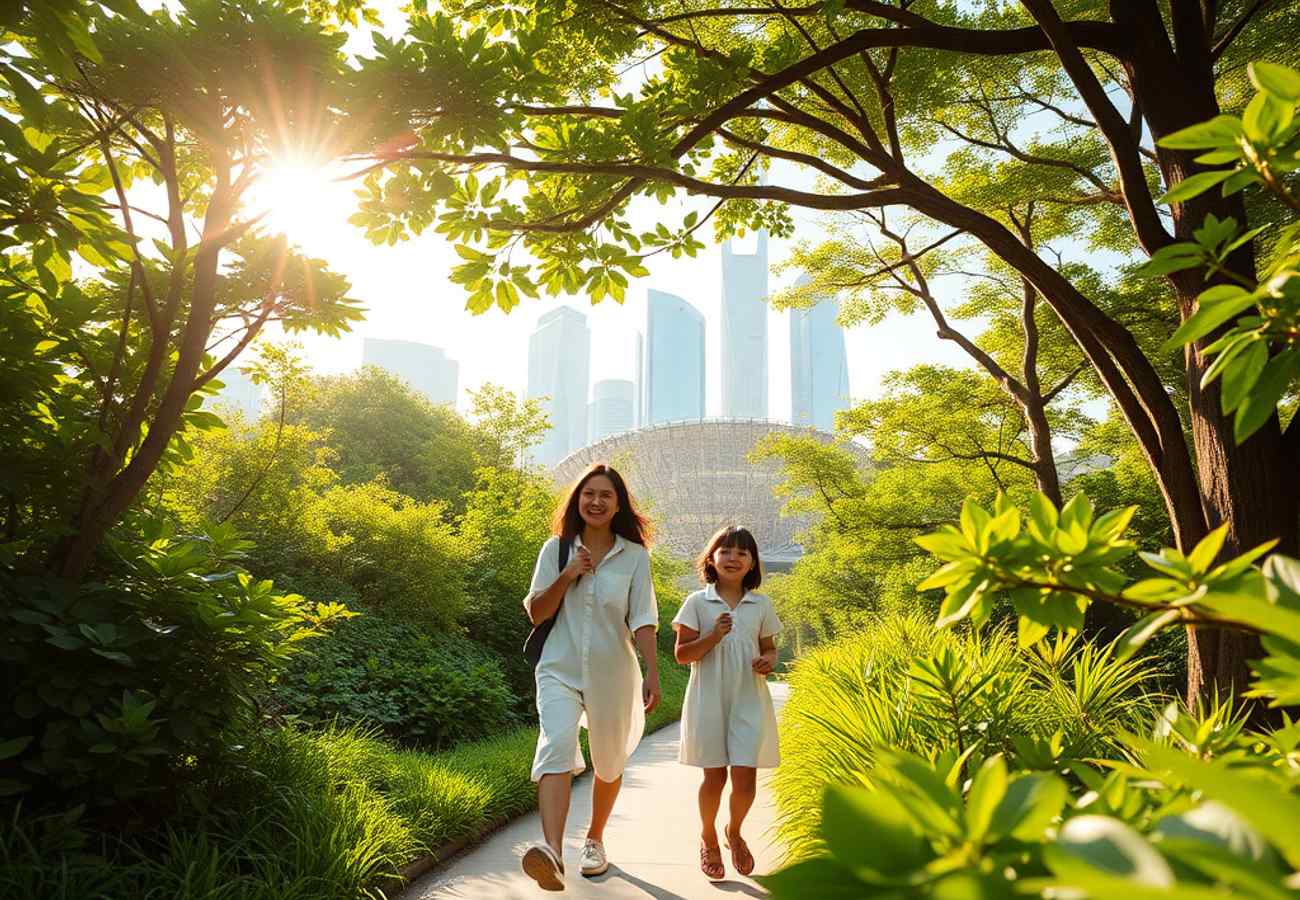
Image generated by AI
Seoul is transforming its greenery from simple aesthetics into critical tourism infrastructure, using urban forests to slash daytime temperatures by up to 1.8°C. This strategic shift allows the city to maintain outdoor visitor activity despite the intensifying summer heatwaves of 2026.
The National Institute of Forest Science (NIFS) has provided the data driving this transition. Their research confirms that forested zones in Seoul maintain significantly lower temperatures than the concrete-heavy urban core, with nighttime cooling ranging between 1.3°C and 1.6°C. For the travel industry, this represents a shift toward climate-adaptive destination planning.
The Impact of Extreme Heat on Visitor Behavior
Traditional Seoul itineraries—centered on palace complexes, historic districts, and extensive walking tours—are being challenged by prolonged heat events. Travelers are now actively avoiding exposed, unshaded areas during peak sunlight hours.
In response, city authorities are repositioning urban forests as essential infrastructure. These spaces are no longer just parks; they are "cooling hubs" that extend the duration of visitor activity and ensure a more resilient travel experience.
The Science of Natural Urban Cooling
The cooling effect observed in Seoul is not accidental but the result of specific ecological functions. While asphalt and concrete absorb solar energy and release it slowly at night, vegetation operates as a thermal regulator.
| Natural Cooling Function | Mechanism | Tourism Benefit |
|---|---|---|
| Tree canopy coverage | Blocks solar radiation from reaching roads/buildings | Creates cooler sightseeing routes |
| Evapotranspiration | Releases moisture to absorb heat via evaporation | Lowers surrounding air temperatures |
| Lower heat storage | Vegetation absorbs less thermal energy than concrete | Faster cooling after sunset |
How Tree Species Influence Temperature Drops
Not all greenery provides equal cooling. The NIFS study emphasizes that the structure and diversity of the forest determine the actual temperature reduction. Multilayered forests, which provide several tiers of protection against solar heat, offer the strongest overall performance.
Temperature Reduction by Forest Type:
- Broadleaf and mixed forests: 1.5°C to 1.8°C cooler during the day.
- Coniferous forests: Approximately 1.2°C cooler.
- Multilayered forests: Highest efficiency in overall cooling.
This data is steering future urban development toward connected forest landscapes rather than isolated green pockets, ensuring a seamless, cool corridor for tourists.
Expanding the Night Tourism Economy
The ability of urban forests to mitigate "tropical nights"—where temperatures remain high enough to disrupt sleep and comfort—is a major win for Seoul's evening economy. Because these areas remain 1.3°C to 1.6°C cooler at night, the city is expanding its nocturnal offerings.
New evening-focused initiatives include:
- Guided forest walking experiences.
- Night-time cultural programming within green zones.
- Exploration of shaded green corridors.
- Outdoor events hosted in naturally cooled landscapes.
Strategic Green Corridors and National Goals
South Korea is scaling this approach through "urban wind-road forests." These are large-scale infrastructure projects that link mountain ecosystems directly to city centers, funneling cool air into densely populated districts.
While Seoul is the primary focus, this strategy is also being deployed in Sejong, Daejeon, and Ulsan. The national ambition is aggressive: increasing green space availability from 11.5 square meters per resident in 2021 to 15 square meters per resident by 2027.
Shifting the Summer Itinerary
The reality of extreme heat is forcing a rewrite of the standard tourist guidebook. The "paved district" model is being replaced by a climate-adaptive approach.
- Old Pattern: Afternoon outdoor sightseeing in exposed areas.
- New Approach: Morning visits to exposed sites, shifting afternoons to forest-based routes.
- Old Pattern: Long walks through concrete-heavy districts.
- New Approach: Utilizing green corridors for transit between attractions.
- Old Pattern: Heat-heavy evening urban centers.
- New Approach: Transitioning to cooler green spaces for night experiences.
Environmental Gains and Sustainability
Beyond temperature control, the urban forest network provides measurable environmental filtration. Data from the Hongneung Forest demonstrates the capacity of a single hectare of mature urban forest to:
- Absorb roughly 168 kilograms of fine dust annually.
- Capture approximately 6.9 tonnes of carbon dioxide per year.
- Lower local fine dust concentrations by 25% to 40%.
Furthermore, these forests experience 20% to 29.4% fewer heatwave days than the surrounding concrete environments, cementing Seoul's reputation as a leader in sustainable, resilient urban tourism.
Seoul's transition proves that in the era of climate change, a city's competitive edge is no longer just its landmarks, but its ability to keep its visitors cool.
Related Travel Guides
Disclaimer
This article is for informational and educational purposes only. It does not constitute legal, financial, or professional advice. While we strive to provide accurate and up-to-date information, travel policies, regulations, and conditions change rapidly. Always verify information with official sources before making travel decisions. Nomad Lawyer makes no representations about the accuracy, reliability, completeness, or suitability of the information provided. Readers should consult qualified professionals for advice specific to their circumstances. The views expressed in this article are those of the author and do not necessarily reflect the views of Nomad Lawyer.
Raushan Kumar
Founder & Lead Developer
Full-stack developer with 11+ years of experience and a passionate traveller. Raushan built Nomad Lawyer from the ground up with a vision to create the best travel and law experience on the web.
Learn more about our team →