
Wild Highlands Retreat: How Hope Lodge Sutherland Combines Luxury and Conservation
Hope Lodge, a restored Victorian shooting lodge in Sutherland, Scotland, opened in May 2026, offering luxury travel experiences linked with landscape conservation.
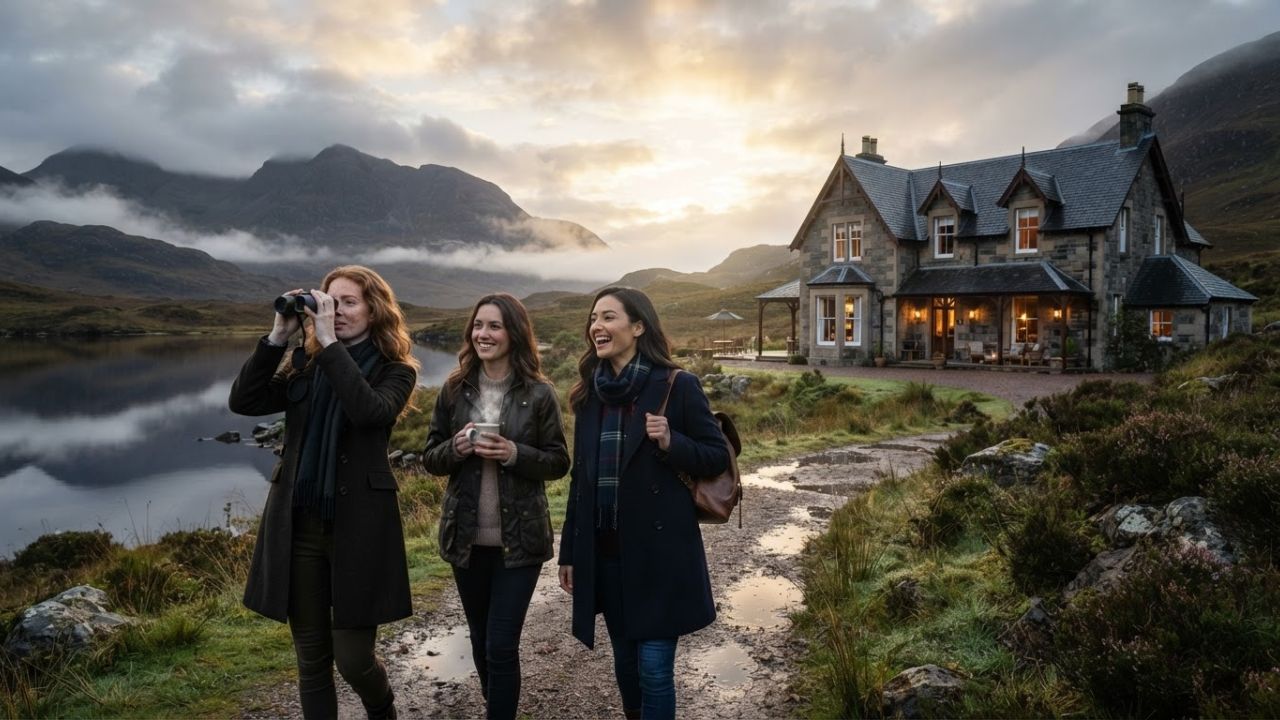
Image generated by AI
When Hope Lodge opened in Sutherland in May 2026 following a complete refurbishment of a historic Victorian retreat, it marked a significant addition to Scotland's premium wilderness tourism market. The Category B listed property—accommodating up to twenty-eight guests across its lodge, cabin, and lakeside cottages—represents a growing trend of heritage-led conservation retreats in the northern Highlands.
The Local Trend Revealed: Heritage Restoration Meets Wilderness Conservation
The luxury travel sector in Scotland is experiencing a strategic shift, where developers are converting historic, protected Victorian estates into high-end eco-lodges that fund large-scale environmental restoration. Rather than constructing new, modern resorts that disrupt natural environments, this model utilizes existing architectural heritage. The conversion of Hope Lodge in northern Sutherland represents a prime example of this trend, giving a Category B listed building a modern role in heritage tourism.
The refurbishment process, completed in early 2026, focused on preserving the building's historical character while integrating modern energy-efficient heating and insulation systems. The accommodation layout includes seven en-suite guest rooms in the main lodge, a separate guest cabin, and two lakeside cottages. In total, the lodge and cabin accommodate eighteen guests, and the cottages sustain ten more, offering a maximum capacity of twenty-eight visitors.
Dating from around 1870, the former shooting lodge is an asymmetrical, two-storey building characterized by gables, slate-hung exterior walls, and verandas supported by timber posts. The building was officially added to Scotland's list of protected buildings in July 1987. Its adaptation into a luxury retreat allows the historic structure to be preserved for future generations while supporting the rural economy.
Highlands Tourism Data: The Economic Value of High-Yield Travel
Highland tourism remains a powerful economic driver for rural Scotland. According to official national data, Scotland recorded approximately 92 million total tourism visits in 2024, generating £11.45 billion in expenditure. The country received 15.19 million overnight visits, which included 4.37 million international trips. While overseas visitors accounted for only 29% of overnight journeys, they generated 54% of total tourism spending, amounting to almost £3.98 billion.
In the Highlands, overnight tourism accounted for approximately 1.79 million visits in 2024. Visitors stayed for a total of 6.45 million nights and spent £756 million, producing an average expenditure of £422 per overnight trip. Surveys indicate that international travelers represented 53% of overnight visitors in the region, with repeat visitors making up 63% of the total. This high concentration of premium international demand explains why properties like Hope Lodge focus on the high-value luxury market.
For the visitor, the real impact of staying at a restored estate like Hope Lodge is the direct connection between premium hospitality and landscape restoration. The lodge operates in close alignment with a large Sutherland estate's conservation programme, which aims to restore native woodlands, conserve peatlands, and protect local biodiversity.
Sustainable Operations and Supporting Sutherland's Economy
To support the long-term sustainability of the region, the resort emphasizes local procurement and hiring. Guests staying in northern Sutherland support the community by employing local nature guides, using regional transport services, and consuming ingredients sourced directly from nearby farms. By keeping tourism spending within the host community, the retreat helps support local families and reduces the carbon emissions associated with transporting goods over long distances.
Sustainable forestry initiatives also extend to native tree planting and peatland restoration, which help absorb carbon dioxide and protect the region's unique biodiversity. By participating in guided tours and planting projects, guests can directly support these eco-tourism efforts, helping to restore the ancient Caledonian pine forests that once covered the Scottish Highlands.
These conservation ambitions align with the principles of the Scotland Outlook 2030 national tourism strategy, which seeks to increase tourism's value while protecting local communities, cultural heritage, and natural environments. In June 2025, the local planning authority adopted the new area plan to govern development and infrastructure funding in Sutherland. To maintain rural roads and support local transit, the Highland Council allocated £2.3 million to Sutherland's roads capital budget for 2025–26, managing traffic pressures from deliveries, staff transit, and guest transfers.
Sutherland Visitor Guide: Airport Transfers and Heritage Sites
For travelers planning a journey to the remote northern Highlands, the Historic Environment Scotland (HES) and VisitScotland suggest the following tips:
- Optimal Booking Windows: The lodge offers individual-room bookings during the summer and autumn months, including August, September, and October 2026. The shoulder seasons offer crisp weather and stunning foliage across the Highlands.
- Travel Documents and Visa Rules: International visitors must comply with United Kingdom immigration requirements. Most travelers need either a standard visitor visa or an Electronic Travel Authorization (ETA). An ETA costs £20, applies to all travelers including children, and covers eligible tourism visits of up to six months.
- Transit Planning: Reaching Loch Hope requires careful coordination. The main aviation gateway is Inverness Airport. From Inverness, travelers can take the Far North Line railway to regional stations like Lairg, Thurso, or Wick, followed by a pre-arranged road transfer to the lodge.
- Sample Regional Cuisine: Try traditional Scottish game, locally caught salmon from Loch Hope, or enjoy classic highland cranachan and shortbread made with butter from regional dairies.
- Explore Historical Monuments: Visit nearby historical sites, such as the ancient brochs of Sutherland, to learn about the Iron Age heritage of northern Scotland.
- Sutherland Norse Heritage: Sutherland, located in the far north of the Scottish Highlands, is a historic county characterized by its dramatic mountain peaks, vast peatlands, and rugged coastline. Its name, derived from the Old Norse 'Suðrland' (southern land), reflects the region's historical connection to the Viking age, when it lay south of the Norse earldom of Orkney. Travelers can explore the ruins of ancient stone castles, discover the unique geology of the North West Highlands Geopark, or learn about the history of the Highland Clearances at local museums, which shaped the modern heritage of the region.
- Loch Hope Conservation ecology: Loch Hope itself is a freshwater loch situated in the shadow of Ben Hope, the northernmost Munro in Scotland. Renowned for its pristine waters and wild salmon populations, the loch is a popular destination for eco-conscious fly-fishers and nature observers. The surrounding peatlands and native woodlands form a critical habitat for golden eagles, red deer, and rare alpine flora, making it an essential focal point for regional conservation and rewilding initiatives.
- Observe Forest Conservation Rules: Stick to marked trails when walking in the surrounding wilderness to prevent soil erosion and protect nesting birds and local deer habitats.
- Under-the-Radar Quiet Zones: Seek out the quiet seating areas on the lodge's verandas, which offer panoramic views of Loch Hope and a quiet environment for remote work.
- Off-Peak Transit Times: To avoid peak weekend road traffic on the narrow single-track roads of the North Coast 500, plan your arrival and departures on mid-week days.
Long-Term Outlook for Sutherland Tourism
The launch of Hope Lodge represents an important step in Sutherland's tourism sector. By distributing visitor activity beyond major cities like Edinburgh, Glasgow, and Inverness, the retreat helps support rural communities while protecting fragile ecosystems.
Over the coming decade, careful coordination between tourism operators, conservation bodies, and local authorities will shape the Highland market. A proposed Highland visitor levy, currently under consultation, may provide additional funding for local public services in the future. By maintaining high conservation standards and managing traffic pressures on remote roads, Sutherland aims to build a sustainable, high-value tourism model that preserves the natural beauty of the Highlands for generations to come.
Disclaimer
This article is for informational and educational purposes only. It does not constitute legal, financial, or professional advice. While we strive to provide accurate and up-to-date information, travel policies, regulations, and conditions change rapidly. Always verify information with official sources before making travel decisions. Nomad Lawyer makes no representations about the accuracy, reliability, completeness, or suitability of the information provided. Readers should consult qualified professionals for advice specific to their circumstances. The views expressed in this article are those of the author and do not necessarily reflect the views of Nomad Lawyer.