Italy Dominates European Luxury Cruise Sector with €18.1 Billion Economic Output in 2024

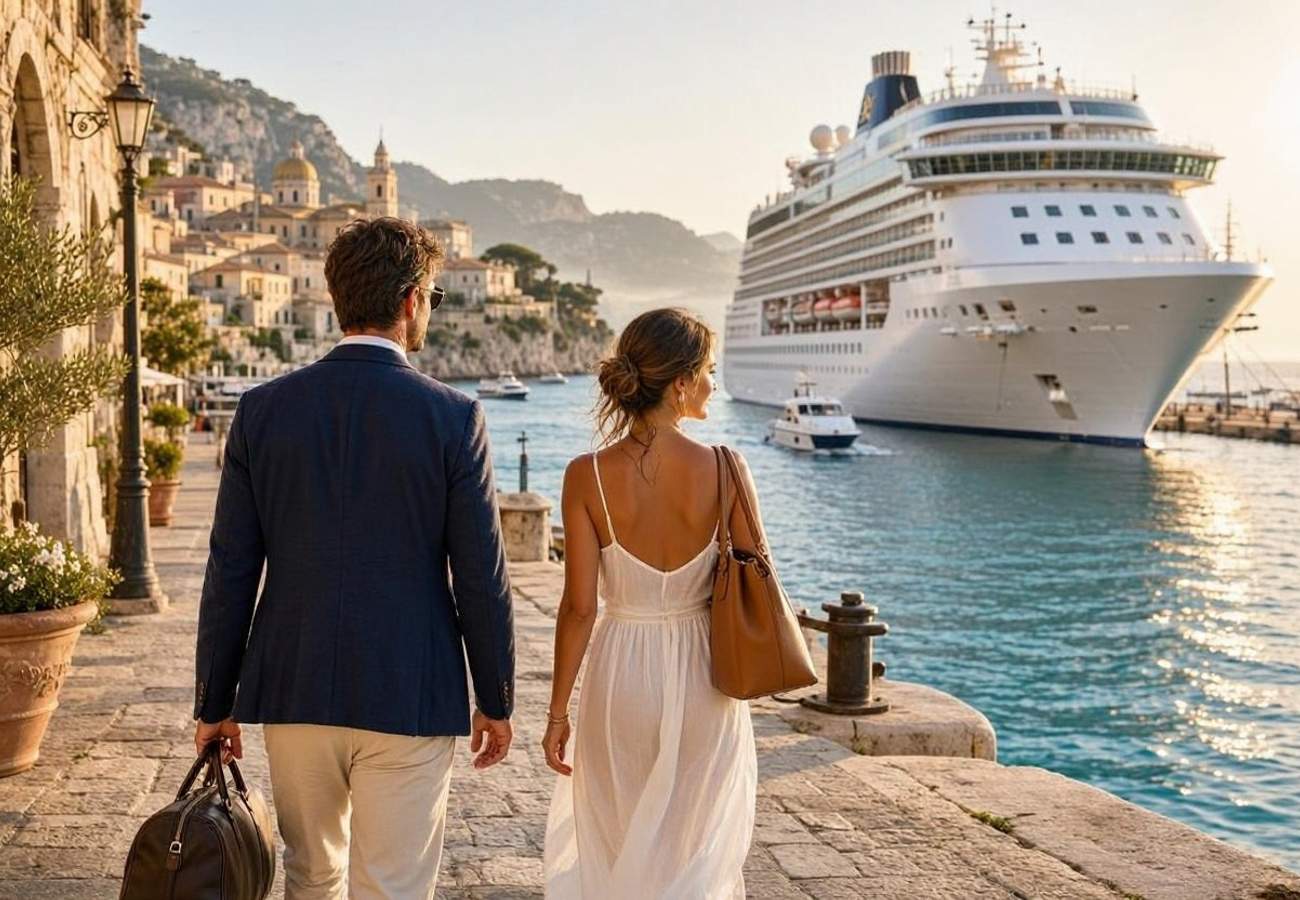
Image generated by AI
€64.1 billion is the estimated economic value added by the European cruise industry in 2024, according to data from the Cruise Lines International Association (CLIA). This staggering figure highlights a shift in the Mediterranean travel economy, where luxury cruising is no longer just about the voyage, but serves as a high-yield delivery system for affluent travelers into the cultural and gastronomic heartlands of Italy, Spain, Greece, and France.
The Mediterranean Luxury Engine
The current trajectory of European tourism is being reshaped by a synergy of three pillars: high-capacity luxury vessels, deep cultural heritage, and regional gastronomy. For the primary Mediterranean hubs, this is a strategic move to attract high-net-worth individuals who spend significantly more than the average tourist. By integrating port arrivals with curated experiences—such as vineyard tours in Tuscany or archaeological excursions in Pompeii—these nations are attempting to push tourism revenue beyond the immediate waterfront and into rural, family-run businesses.
However, this growth is not without friction. The surge in passenger volumes has intensified pressures regarding overtourism and environmental degradation. The legal and logistical challenge for these governments is now to balance the immediate economic windfall with sustainable urban management to prevent the erosion of the very heritage that attracts the visitors.
Economic Impact by Destination
The economic footprint of the cruise sector varies significantly based on the infrastructure of the host nation. While Italy leverages its shipbuilding industry and vast UNESCO network, Spain focuses on high-volume gateway hubs like Barcelona.
Mediterranean Cruise Economic Performance (2024 Data)
| Country | Total Economic Output | Contribution to GDP | Jobs Supported | Key Strategic Advantage |
|---|---|---|---|---|
| Italy | €18.1 Billion | €7.3 Billion | ~113,000 | 62 UNESCO Sites & Shipbuilding |
| Spain (Catalonia) | €1.236 Billion* | €707 Million* | 9,511* | International Connectivity |
| Europe (Total) | €64.1 Billion | N/A | ~445,000 | Regional Gastronomy & Heritage |
*Data specifically for the Catalonia region/Barcelona port.
Expert Analysis: The "Heritage-to-Table" Pipeline
For the modern luxury traveler, the value proposition has shifted from the ship's amenities to the exclusivity of the shore excursion. Italy's dominance is not accidental; it is the result of a "heritage-to-table" pipeline. When a ship docks in Civitavecchia, the economic ripple effect extends from the port to the UNESCO World Heritage Centre sites in Rome, and finally to the local artisans and restaurateurs.
For travelers booking these routes, the direct consequence is a highly commodified experience where "authenticity" is the primary product. The pricing pressure created by this demand means that private guides and boutique gastronomic experiences in regions like Emilia-Romagna or Sicily are seeing significant price inflation.
From a logistical standpoint, the reliance on a few massive hubs—such as Naples for the Amalfi Coast or Venice for the Lagoon—creates a bottleneck. We are seeing a market correction where luxury lines are increasingly incentivized to find "secondary" ports to avoid the congestion of primary cities, which may open new opportunities for smaller Italian and Spanish coastal towns to enter the luxury loop.
Key Takeaways
- Italy's Financial Lead: The cruise sector generated €18.1 billion in total economic output for Italy in 2024, supporting over 113,000 jobs.
- Regional Concentration: Spain's Barcelona port alone handled 2.8 million passengers in 2024, proving the efficacy of the "gateway city" model.
- Employment Scale: Across Europe, the industry supports approximately 445,000 direct and indirect roles, spanning from port operations to food production.
- Heritage Drivers: Italy’s 62 UNESCO World Heritage properties serve as the primary anchors for luxury shore excursions, driving spending into the interior.
- Economic Diversification: The industry benefits not just tourism operators but also shipbuilding yards and local agricultural producers.
FAQ: Mediterranean Luxury Cruises 2026
Which Italian port is best for visiting Rome? Civitavecchia is the primary gateway for Rome. From here, passengers can access the Colosseum, Vatican Museums, and St. Peter’s Basilica via organized transfers or private guides.
How does luxury cruising impact local Italian businesses? It creates a demand for high-end regional products. In areas like Emilia-Romagna, this directly benefits producers of Parmigiano Reggiano and traditional balsamic vinegar through curated tasting tours.
What is the economic impact of cruises in Barcelona? In 2024, cruise activity in Catalonia generated €1.236 billion in economic activity and supported 9,511 jobs, significantly boosting the regional GDP.
Are luxury cruises sustainable for Mediterranean cities? While economically beneficial, they contribute to overtourism. Many cities are now implementing stricter regulations to manage passenger flow and protect historical landmarks.
The battle for the Mediterranean is no longer about who has the most ships, but who offers the most authentic slice of history.
Related Travel Guides
This article is for informational purposes. Flight routes, passenger regulations, visa rules, and transit advisories are subject to change by airlines and aviation authorities. Readers are advised to verify schedules and travel documentation with relevant carriers and border agencies before departure.
Related Stories
MSC Orchestra Launches Singapore Homeport Operations in 2028: New Southeast Asia Routes
Port Saint John Canada Welcomes 142,800 Cruise Passengers in 2026 With $370M Infrastructure Upgrade