
Saudia Defeats Long-Haul Travel Chaos by Launching Panasonic Astrova on Airbus A321XLR in Massive Global Aviation First
Breaking airline news: Saudia executes a global aviation first by integrating Panasonic Astrova onto its Airbus A321XLR fleet, delivering wide-body comfort to defeat narrow-body travel chaos.

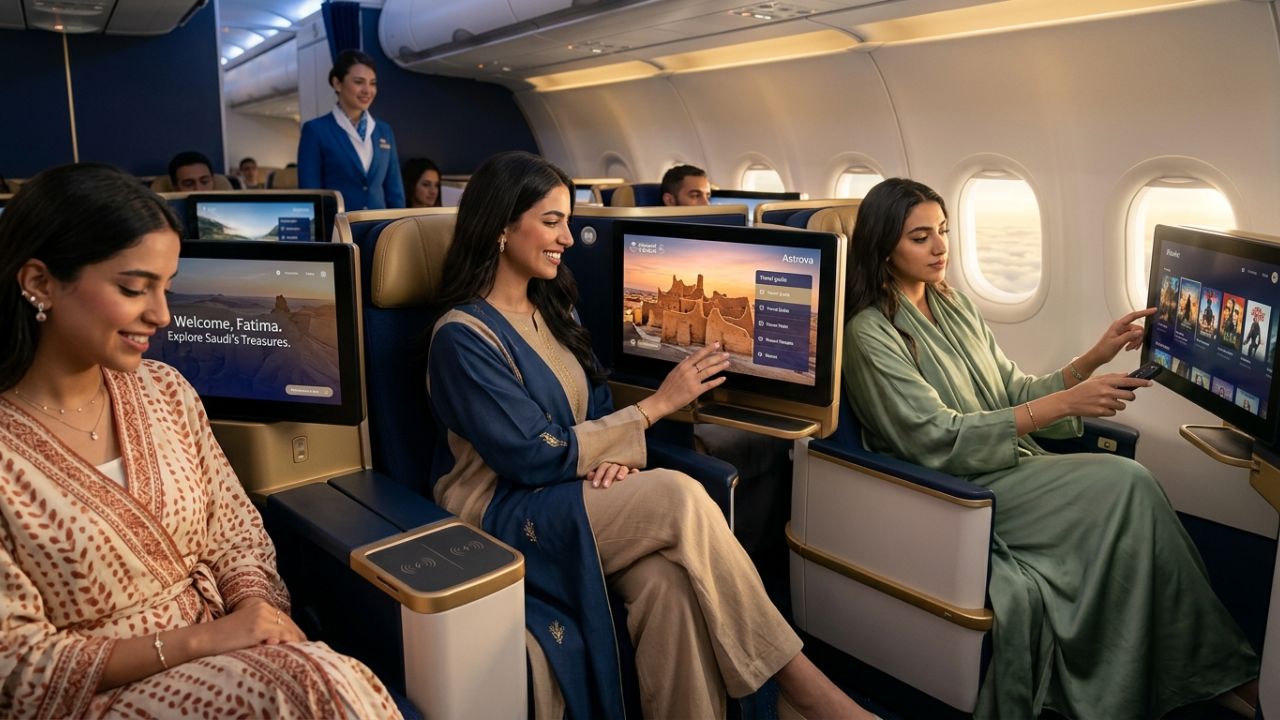
Image representing the highly strategic cabin modernization by Saudia, which officially became the first airline globally to deploy the next-generation Panasonic Astrova inflight entertainment system on the Airbus A321XLR, delivering wide-body luxury to narrow-body flights to shield passengers from the frustrations of systemic travel chaos. (Image Credit: Global Aviation Cabin Technologies)
Saudia Defeats Long-Haul Travel Chaos by Launching Panasonic Astrova on Airbus A321XLR in Massive Global Aviation First
A Historic Integration of Next-Generation Cabin Technology Shields Passengers from the Agony of Long-Haul Narrow-Body Flights and Systemic Airport Disruptions
In an incredibly massive leap forward for commercial cabin architecture, Saudia has officially executed a global aviation first that promises to permanently alter the narrow-body passenger experience. According to the latest breaking airline news and highly advanced aviation updates, the Middle Eastern carrier has explicitly confirmed the integration of Panasonic Avionics’ absolute latest Astrova inflight entertainment (IFE) system onto its highly anticipated Airbus A321XLR fleet. This staggering technological integration marks the first known global deployment of the Astrova system specifically on the A321XLR aircraft type. By aggressively bridging the massive comfort gap between wide-body luxury and narrow-body efficiency, Saudia is actively ensuring that its passengers remain entirely insulated from the extreme psychological frustrations and agonizing boredom that frequently compound severe travel chaos and rolling flight cancellations during long-distance journeys.
This historic technological milestone directly addresses one of the most severe pressure points in modern aviation. As airlines aggressively push the operational limits of narrow-body jets on extreme long-haul routes, passengers are increasingly trapped in highly confined cabins for over eight hours. Without premium digital engagement, any minor delay or localized airport disruptions can instantly trigger a massive deterioration in passenger satisfaction. By deploying the ultra-advanced Panasonic Astrova system—featuring pristine OLED displays and lightning-fast streaming architectures—Saudia is engineering a highly immersive digital oasis. This strategic configuration explicitly guarantees that passengers enduring extended 8,000-kilometer routes receive the exact same premium entertainment standards typically reserved for massive wide-body flagship aircraft, effectively neutralizing the inherent discomfort of narrow-body international travel.
Section-Wise Breakdown: The Architecture of the Astrova Integration
The highly detailed technical and operational data definitively exposes exactly why Saudia’s integration of Astrova on the A321XLR is a massively disruptive force in global cabin design:
The Airbus A321XLR Range Revolution The absolute foundation of this integration is the Airbus A321XLR itself, widely considered one of the most critically important developments in modern commercial aviation. The XLR (Extra Long Range) variant physically allows airlines to operate punishing narrow-body routes of up to approximately 8,000 kilometers. This incredible capability is violently reshaping airline network strategies, allowing carriers to aggressively open brand-new long-distance corridors with drastically lower operational costs than traditional wide-body jets. However, these brutal extended flight durations massively increase the demand for improved passenger comfort. If an airline attempts an 8,000-kilometer route with a sub-standard cabin, they risk unleashing absolute travel chaos within the aircraft. Saudia’s preemptive decision to load the A321XLR with the most advanced IFE system on the planet proves they understand the extreme stakes of narrow-body long-haul operations.
The Panasonic Astrova Digital Oasis Panasonic Avionics’ Astrova system operates as a next-generation IFE platform that delivers massively advanced visual and digital capabilities. The system explicitly features stunning, high-resolution OLED displays that offer absolute cinematic perfection at 35,000 feet. Beyond sheer visual fidelity, the system boasts massively improved streaming performance and a highly intuitive, hyper-responsive interface engineered to dramatically elevate the passenger experience. Modern travelers aggressively demand seamless digital access—including high-speed entertainment streaming, deeply interactive services, and hyper-personalized content. By delivering this level of digital perfection, Saudia ensures that even if passengers are subjected to agonizing tarmac delays or severe weather airport disruptions, their onboard environment remains a highly controlled, premium sanctuary.
Strategic Defense Against Travel Chaos The deployment of Astrova forms the absolute core of Saudia’s massive fleet modernization strategy. The airline is actively executing highly aggressive investments in both aircraft upgrades and passenger experience improvements to solidify its dominance in brutally competitive international markets. As legacy carriers across the globe scramble to differentiate their medium and long-haul offerings, Saudia’s adoption of Astrova reflects a massively critical industry trend: inflight entertainment is no longer a secondary luxury; it is the absolute frontline defense against passenger mutiny during travel chaos. By physically introducing wide-body-level entertainment features into a smaller aircraft environment, Saudia has effectively weaponized cabin technology to secure absolute passenger loyalty.
Flight Details: The Factual Saudia A321XLR Astrova Matrix
To provide exact, factual clarity on the immense technical scale of this cabin integration, aviation analysts have mapped the specific operational metrics defining the Saudia upgrade. The following factual matrix details the precise breakdown of the Astrova deployment:
Factual Saudia A321XLR Astrova Integration Matrix
| Technical/Operational Metric | Factual Integration Detail |
|---|---|
| Airline Operator | Saudia |
| Aircraft Model | Airbus A321XLR (Extra Long Range Narrow-Body) |
| Inflight Entertainment System | Panasonic Avionics Astrova IFE Platform |
| Global Aviation Milestone | First known global deployment of Astrova on the A321XLR |
| Display Technology | Next-Generation High-Resolution OLED Displays |
| Maximum Aircraft Range | Approximately 8,000 kilometers |
| Primary Operational Goal | Introducing wide-body-level entertainment into narrow-body cabins |
| Strategic Passenger Impact | Enhanced streaming, seamless digital access, and personalized content |
Data reflects the confirmed technical specifications and global deployment milestones regarding Saudia's integration of the Panasonic Astrova system on the Airbus A321XLR. (Source: Global Aviation Cabin Technologies)
Passenger Impact: Wide-Body Luxury in a Narrow-Body Jet
For the traveling public navigating the grueling reality of ultra-long-haul travel, Saudia’s integration of the Astrova system represents an absolute game-changer. Passengers booked on A321XLR routes will completely bypass the claustrophobic anxiety that traditionally plagues narrow-body international flights. The stunning OLED screens and highly responsive interface completely immerse travelers, essentially making the physical confines of the aircraft disappear. Furthermore, the massively enhanced connectivity options allow business travelers to maintain absolute productivity, while leisure travelers can stream content seamlessly. This extreme level of comfort structurally prevents the volatile in-cabin friction and travel chaos that erupts when frustrated passengers are forced to endure long delays with outdated, malfunctioning seatback screens.
Industry Analysis: Forcing the Hand of Competitors
Aviation analysts closely monitoring interior cabin design emphasize that Saudia’s historic deployment of Astrova on the A321XLR will absolutely force the hand of global competitors. As more international carriers take delivery of these long-range narrow-body jets, the demand for advanced, modular inflight entertainment systems will violently increase. Panasonic Avionics has aggressively positioned Astrova as a scalable solution perfectly adapted for evolving airline requirements. Saudia’s highly aggressive early adoption proves that airlines must integrate these massive cabin systems early in the aircraft deployment cycle, rather than attempting highly expensive and inefficient retrofits later. Airlines that fail to match this standard will face severe backlash from premium passengers who refuse to endure 8,000-kilometer flights without next-generation digital engagement.
Conclusion: A Massive Victory for the Passenger Experience
Saudia’s highly historic decision to become the first airline globally to deploy the Panasonic Astrova system on the Airbus A321XLR is a definitive victory for the international passenger experience. By aggressively combining the massive 8,000-kilometer range of the XLR with pristine OLED displays and lightning-fast digital streaming, Saudia has successfully engineered a cabin environment capable of completely defeating the psychological toll of long-haul travel chaos. As global aviation networks continue to battle systemic airport disruptions and unpredictable delays, airlines that prioritize this level of extreme onboard comfort will absolutely dominate the highly lucrative international market. Saudia has officially set the new global benchmark for narrow-body excellence. (Source: Global Aviation Cabin Technologies via Nomad Lawyer)
Key Takeaways
- Global Aviation First: Saudia has officially executed the very first known global deployment of the Panasonic Astrova IFE system on the Airbus A321XLR aircraft type.
- Next-Generation Technology: The Astrova platform features stunning high-resolution OLED displays, massively improved streaming performance, and a highly intuitive digital interface.
- The Narrow-Body Revolution: The Airbus A321XLR boasts a massive range of roughly 8,000 kilometers, requiring airlines to aggressively upgrade passenger comfort for extreme long-haul routes.
- Wide-Body Comfort: Saudia’s primary objective is to physically introduce wide-body-level premium entertainment features directly into the smaller narrow-body environment.
- Defeating Discomfort: The advanced digital ecosystem ensures that passengers remain highly engaged and comfortable, mitigating the intense frustrations of delays and travel chaos.
✈️ Frequently Asked Questions (Factual Aviation Cabin Data)
Which specific airline is launching the Panasonic Astrova system on the A321XLR? Saudia has officially confirmed it will integrate the advanced Panasonic Astrova inflight entertainment system onto its upcoming Airbus A321XLR fleet.
Why is this specific integration considered a major global aviation milestone? This specific integration represents the very first known global deployment of the next-generation Astrova technology specifically on the Airbus A321XLR aircraft type.
What specific display technology does the Panasonic Astrova system utilize? The highly advanced Astrova IFE platform explicitly features next-generation, high-resolution OLED displays for absolute visual clarity.
What is the maximum operational range of the Airbus A321XLR? The highly advanced narrow-body aircraft is capable of operating extremely long routes of up to approximately 8,000 kilometers.
Why is advanced inflight entertainment so critical for the A321XLR? Because the aircraft flies exceptionally long distances traditionally reserved for larger wide-body jets, airlines must provide wide-body-level premium entertainment to ensure passenger comfort in the smaller narrow-body cabin.
What digital capabilities does the Astrova system offer to passengers? The system is engineered to provide seamless digital access, massively improved streaming performance, highly interactive services, and a hyper-responsive, personalized interface.
How does this IFE integration fit into Saudia’s broader corporate strategy? The Astrova deployment is a highly critical component of Saudia’s massive fleet modernization strategy, aggressively upgrading the passenger experience to dominate competitive international markets.
Will Saudia's early adoption of Astrova influence other global airlines? Yes, aviation experts indicate that Saudia's integration will heavily influence other airlines to adopt advanced, modular cabin systems earlier in their aircraft deployment cycles rather than relying on later retrofits.
🌍 Related Travel Guides & Flight Resources
- Navigate Airport Disruptions Like a Pro Master the art of surviving unexpected travel chaos with our expert strategies.
- Breaking Airline News & Evasion Routes Stay ahead of the delays with our real-time aviation updates and route intelligence.
- Global Flight Cancellation Defense Grid Essential legal rights and compensation tactics when your flight goes down.
⚖️ Disclaimer
The aircraft range metrics, cabin technology specifications, and airline integration timelines provided in this report are for informational purposes only. The specific technical variables regarding Saudia's historic deployment of the Panasonic Astrova system on the Airbus A321XLR—including the OLED display configurations, the 8,000-kilometer range capabilities, and the status as a global aviation first—are based on official aerospace and cabin technology data sourced as of June 15, 2026. NomadLawyer does not guarantee the absolute accuracy or current validity of the technical information provided and assumes no liability for unannounced aircraft delivery delays, sudden equipment swaps resulting in older cabin configurations, or any financial consequences resulting from the use of this analytical content. Passengers seeking specific inflight entertainment amenities on long-haul routes are strongly advised to verify aircraft types directly with the operating carrier prior to booking.
Disclaimer
This article is for informational and educational purposes only. It does not constitute legal, financial, or professional advice. While we strive to provide accurate and up-to-date information, travel policies, regulations, and conditions change rapidly. Always verify information with official sources before making travel decisions. Nomad Lawyer makes no representations about the accuracy, reliability, completeness, or suitability of the information provided. Readers should consult qualified professionals for advice specific to their circumstances. The views expressed in this article are those of the author and do not necessarily reflect the views of Nomad Lawyer.
Kunal K Choudhary
Co-Founder & Contributor
A passionate traveller and tech enthusiast. Kunal contributes to the vision and growth of Nomad Lawyer, bringing fresh perspectives and driving the community forward.
Learn more about our team →