
Saudia and Air China Lead Massive Asia Aviation Crisis: 350 Cancellations and 3,533 Flight Delays in 2026
Regional conflict in Saudi Arabia and airspace congestion across Asia trigger 3,533 delays and 350 cancellations, severely impacting Saudia, Air China, and Japan Airlines.

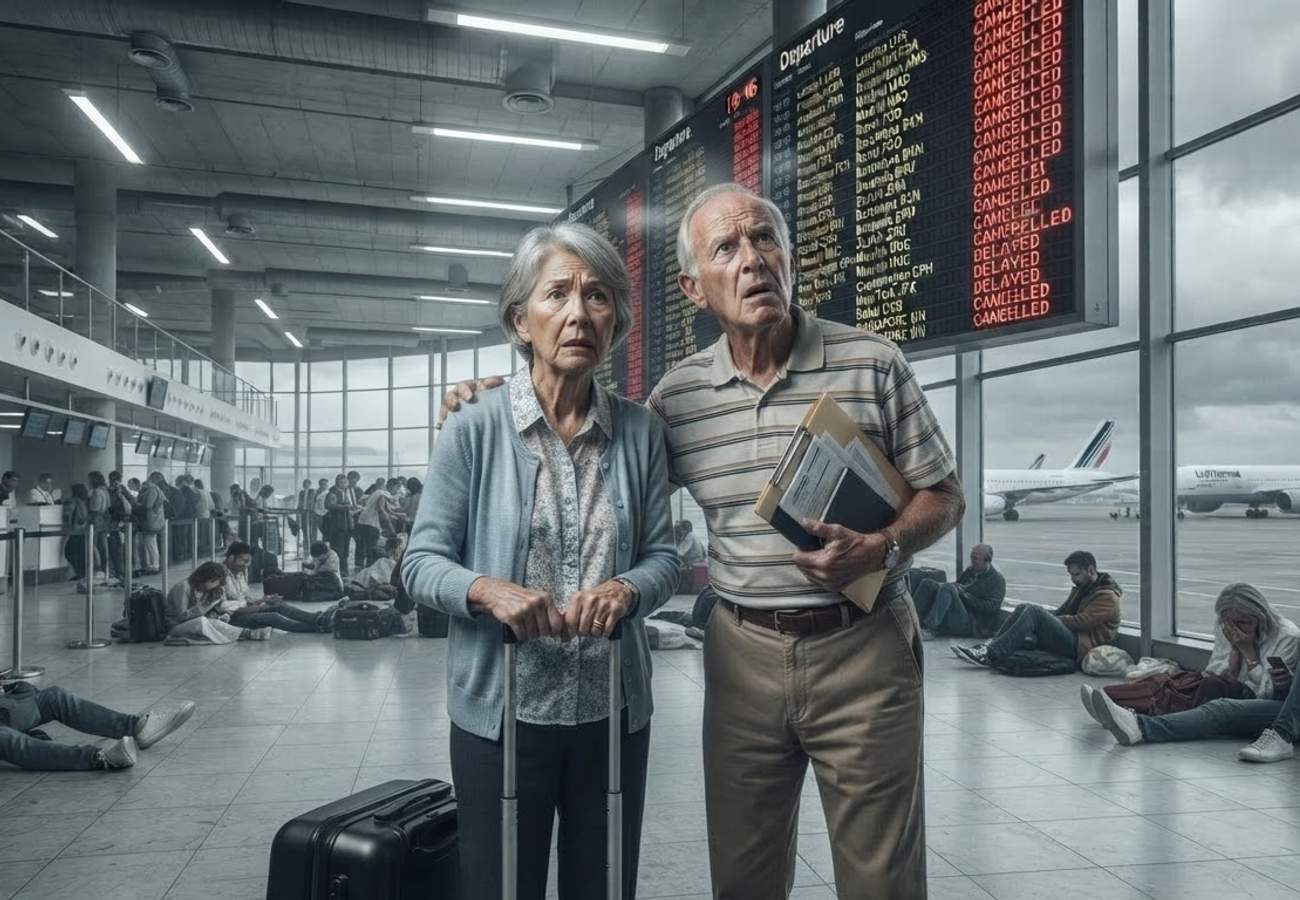
Image generated by AI
Widespread operational failures across Asia have resulted in 3,533 flight delays and 350 cancellations, leaving thousands of passengers stranded across Singapore, Japan, India, China, Saudi Arabia, Indonesia, and Malaysia.
The disruption is driven by a combination of regional conflict in Saudi Arabia, severe local weather in China, and systemic international airspace congestion. Flight tracking data indicates that the ripple effects of these events have created scheduling bottlenecks for long-haul operations throughout the continent.
Operational Impact Breakdown
Our analysis of FlightAware data from July 15 (3:11 pm ET USA) reveals a concentrated impact on specific hubs and carriers.
Most Impacted Airports
- Shenzhen Bao’an: Recorded the highest regional delay volume with 832 delays and 16 cancellations.
- King Abdulaziz (Jeddah): Experienced 71 delays and 60 cancellations.
- Abha Airport: Reported 52 cancellations due to security restrictions.
- Jakarta Soekarno-Hatta: Logged 255 delays and 24 cancellations.
- Kuala Lumpur: Recorded 281 delays and 5 cancellations.
- Singapore Changi: Recorded 197 delays and 5 cancellations.
- Tokyo Haneda: Logged 250 delays and 2 cancellations.
Airlines with Highest Disruption Rates
- Saudia: The most severely impacted carrier with 138 cancellations and 329 delays.
- Akasa Air: Recorded 32 cancellations, primarily affecting Mumbai, Bengaluru, and Delhi.
- Air China: Logged 27 cancellations and 329 delays across Beijing Capital, Chengdu, Chongqing, and Shenzhen.
- Other affected carriers: Japan Airlines, All Nippon Airways, IndiGo, China Southern, Malindo Air, and flyadeal.
Root Causes of Disruption
The current crisis is not the result of a single event but a convergence of three distinct operational pressures.
In Saudi Arabia, Houthi missile and drone attacks targeting southern airports have forced immediate operational adjustments. While air defenses have intercepted many threats, the security risks have compelled Saudia and other carriers to cancel or reroute flights, impacting hubs in Riyadh and Jeddah.
In China, a combination of severe local weather and air traffic network congestion has paralyzed operations at Shenzhen Bao’an and other major gateways.
On a global scale, Middle East airspace restrictions have forced long-haul flights between India and other Asian destinations to utilize longer alternative routes. This has reduced aircraft availability and created a cascading effect of delays across the network.
Passenger Rights & Advisory
Passengers affected by these disruptions should be aware of their legal protections and immediate options for recovery.
Compensation and Rebooking Rights
- EU261/2004 & UK261: If your flight was departing from an EU/UK airport or operated by an EU/UK carrier, you may be entitled to compensation unless the airline can prove "extraordinary circumstances" (such as war or extreme weather).
- Duty of Care: Regardless of the cause of the delay, airlines are generally required to provide food, refreshments, and hotel accommodation if an overnight stay is necessary.
- Refunds: If a flight is cancelled, passengers are entitled to a full refund of the unused portion of the ticket or an alternative flight to their destination.
Immediate Action Plan for Travelers
- Digital Monitoring: Enable push notifications for airline apps to receive real-time gate and aircraft assignment changes.
- Logistics: Allow significantly more travel time for hubs including Beijing Capital, Shenzhen Bao’an, Riyadh, and Jeddah.
- Baggage Strategy: Keep essential medications, travel documents, and a change of clothes in cabin baggage to avoid losses during luggage delays.
- Connecting Flights: Closely monitor onward connections through Kuala Lumpur, Jakarta, Delhi, or Tokyo, as arrival delays often trigger missed connections.
Industry Analyst View
The scale of this disruption highlights the fragility of the Asian aviation corridor when faced with geopolitical instability. The reliance on a few primary hubs means that a security event in the Middle East or a weather system in China can effectively paralyze air traffic as far away as Tokyo and Singapore.
The current shift toward longer alternative flight paths to avoid conflict zones is not a sustainable long-term solution. It increases fuel burn and crew duty hours, which in turn reduces the overall capacity of the fleet. Until airspace restrictions are eased, carriers will likely continue to struggle with "recovery cycles" where a single day of chaos takes a full week of operational rescheduling to resolve.
Flight tracking systems indicate that aircraft repositioning will continue to cause instability at major hubs for the next 24 to 48 hours.
Related Travel Guides
Disclaimer
This article is for informational and educational purposes only. It does not constitute legal, financial, or professional advice. While we strive to provide accurate and up-to-date information, travel policies, regulations, and conditions change rapidly. Always verify information with official sources before making travel decisions. Nomad Lawyer makes no representations about the accuracy, reliability, completeness, or suitability of the information provided. Readers should consult qualified professionals for advice specific to their circumstances. The views expressed in this article are those of the author and do not necessarily reflect the views of Nomad Lawyer.
Raushan Kumar
Founder & Lead Developer
Full-stack developer with 11+ years of experience and a passionate traveller. Raushan built Nomad Lawyer from the ground up with a vision to create the best travel and law experience on the web.
Learn more about our team →