
Mosquito-Free Island Paradise Lost: What Travelers Need to Know
A legendary mosquito-free island destination has finally succumbed to insect invasion in 2026, forcing adventurers to reconsider travel plans. Learn how climate change and shifting ecosystems are reshaping remote island vacations worldwide.

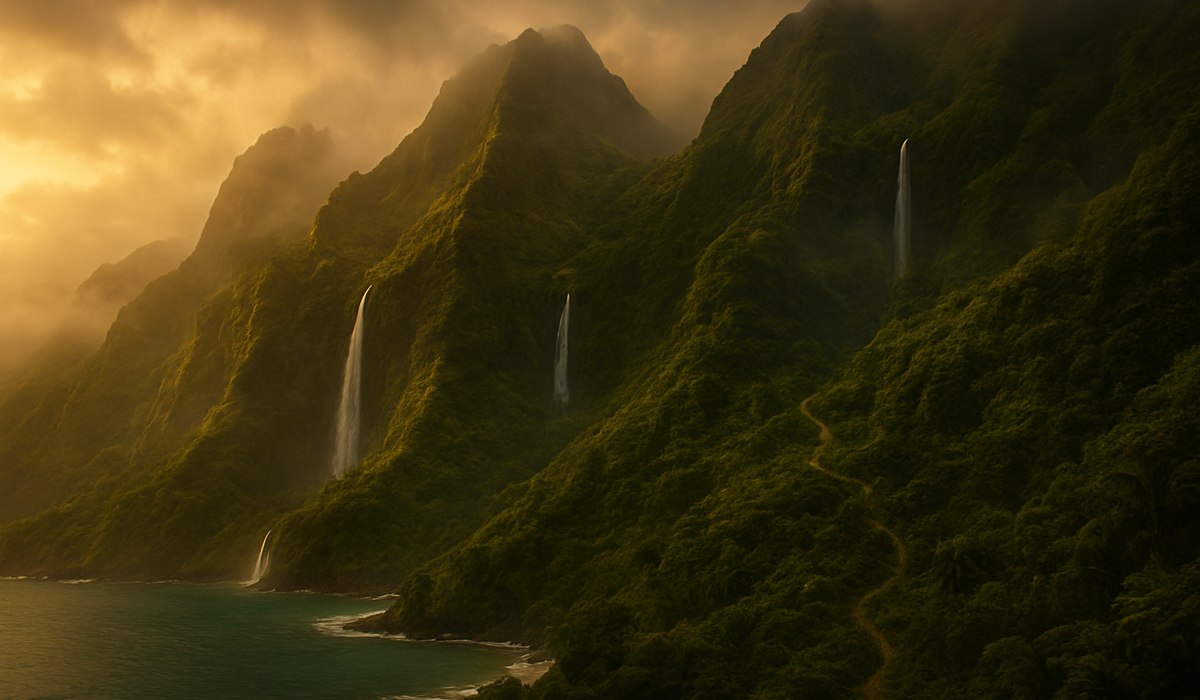
Image generated by AI
A Legendary Refuge No Longer
One of Earth's final mosquito-free island paradises has lost its unique ecological status in 2026, ending centuries of natural protection from disease-carrying insects. This remote destination, renowned for pristine mountain trails and dramatic waterfalls, once represented a rare sanctuary for travelers seeking uninterrupted outdoor adventures. The arrival of mosquitoes marks a significant shift in global travel considerations and raises urgent questions about how climate change is reshaping remote island ecosystems worldwide.
The loss of this mosquito-free island destination affects adventure seekers, hikers, and wellness travelers who planned expeditions specifically to avoid insect-borne illnesses. Scientific evidence points to warming ocean temperatures, shifting rainfall patterns, and expanded habitat corridors as primary factors enabling mosquito colonization of previously isolated territories.
Which Island Lost Its Mosquito-Free Status
For generations, travelers celebrated this isolated island destination as virtually the only mosquito-free island on Earth outside Antarctica. Located in a remote maritime zone, the island maintained its remarkable ecological distinction through geographic isolation and unique climatic conditions. Steep mountain terrain, powerful ocean currents, and cooler microclimates created barriers that historically prevented mosquito populations from establishing permanent settlements.
The discovery of breeding mosquito colonies in 2026 shocked conservation scientists and travel industry professionals alike. Expert teams documented first-generation populations in lowland coastal regions before detecting secondary colonies in inland valleys near major waterfall systems. This progression suggests mosquitoes have begun adapting to the island's diverse elevation zones and weather patterns, indicating potential for rapid population expansion across the entire territory.
Why Mosquitoes Are Arriving Now
Climate scientists attribute mosquito colonization to three interconnected environmental shifts. Rising sea surface temperatures have warmed ocean corridors around the island, creating milder maritime conditions that enable mosquito larvae development in previously inhospitable waters. Simultaneously, shifting monsoon patterns have increased rainfall frequency in traditionally drier zones, generating abundant breeding habitats in coastal marshes and upland rainwater collection areas.
Global trade routes and increased maritime traffic have also facilitated accidental mosquito transport. Cargo vessels and tourist ferries provide vector pathways that overcome natural geographic isolation. Once introduced mosquito populations found themselves in an environment with abundant water resources, minimal predatory competitors, and abundant human hosts during peak tourist seasons.
The timing aligns with broader climate change projections that warned about expanding mosquito ranges. Research published by tropical ecology institutes confirms that warming trends have systematically eliminated geographic refuges that formerly protected isolated island ecosystems. This mosquito-free island's vulnerability demonstrates how even the most remote destinations face exposure to pest-driven environmental shifts.
What This Means for Travelers
Adventure enthusiasts planning vacations specifically around the mosquito-free island destination must immediately reassess their travel strategies. Here are essential considerations for updated travel planning:
1. Update Health Precautions: Travelers should now include mosquito-borne illness prevention in their packing lists, including EPA-approved insect repellent, lightweight protective clothing, and antimalarial medications if recommended for your region.
2. Verify Current Conditions: Contact local tourism boards and outfitter services before booking mountain trail expeditions. Mosquito populations may vary seasonally, with potential peaks during rainy months when breeding habitat expands.
3. Explore Alternative Destinations: Several high-altitude island locations and polar-adjacent territories maintain mosquito-free status. Higher elevation hiking destinations offer similar waterfall viewing and mountain trail experiences without current insect pressures.
4. Adjust Hiking Schedules: If maintaining a mosquito-free island experience remains your priority, investigate alternative destinations featuring comparable geological features, waterfall systems, and mountain terrain.
5. Consider Timing: Dry seasons typically support lower mosquito activity. Scheduling island vacations during drier months may partially mitigate exposure while allowing enjoyment of existing mountain trails and waterfall attractions.
| Factor | 2025 Status | 2026 Status | Traveler Impact |
|---|---|---|---|
| Mosquito Presence | Absent | Established | Health precautions required |
| Waterfall Accessibility | Unrestricted | Unchanged | Outdoor dining requires nets |
| Mountain Trail Conditions | Optimal | Unchanged | Morning/evening hiking recommended |
| Insect Repellent Need | Unnecessary | Essential | Additional packing required |
| Climate Classification | Unique | Shifting | Long-term ecosystem uncertainty |
| Tourism Viability | Exceptional | Viable | Minor operational adjustments |
Alternative Mosquito-Free Destinations
Travelers disappointed by the mosquito-free island's status change can explore several comparable alternatives featuring similar geographic features and ecological characteristics.
High-altitude Andean valleys maintain mosquito-free conditions due to elevation and temperature profiles. These regions offer spectacular waterfall systems, challenging mountain trails, and pristine wilderness experiences. Similarly, certain glacial-fed island territories in polar-adjacent regions preserve insect-free environments, though accessibility requires enhanced preparation and seasonal timing coordination.
Specific mountain ranges throughout Central Asia feature mosquito-free hiking corridors above critical elevation thresholds. These destinations deliver dramatic waterfall cascades, pristine alpine meadows, and unmarred mountain trail networks. Tourism operators specializing in high-altitude expeditions can coordinate custom itineraries matching the experience level and adventure timeline of travelers who previously prioritized mosquito-free island vacations.
Consider consulting tourism boards in the following regions: Papua New Guinea's highland provinces, New Zealand's southern alpine zones, and Iceland's interior plateau regions. Each location offers distinctive waterfall viewing opportunities and mountain trail systems while maintaining mosquito-free or extremely low-insect-activity status.
How to Book the Best Fare
Planning an island vacation to alternative destinations requires strategic booking methodology. Reserve accommodations 8-12 weeks in advance to secure preferred departure dates and access promotional pricing from tourism operators specializing in remote mountain destinations.
Compare package deals through established travel aggregator platforms that include ground transportation to mountain trail trailheads and waterfall access points. Many operators offer early-booking discounts for island vacations scheduled during shoulder seasons, typically delivering superior value compared to peak-season pricing.
Check Trainline for rail connections to coastal departure ports if your itinerary includes overland travel to embarkation points. Many island vacation packages require train travel to major maritime terminals, and advance booking through dedicated rail platforms frequently yields significant savings.
Verify current visa requirements and health documentation timelines, particularly if your alternative destination involves distant maritime zones. Island vacation planning requires extended preparation periods compared to continental travel, ensuring adequate time for vaccination schedules and regulatory compliance.
Frequently Asked Questions
Can travelers still visit the mosquito-free island despite mosquito presence? Yes, the island remains accessible and maintains waterfall and mountain trail attractions. However, travelers must now implement standard mosquito prevention protocols including insect repellent, protective clothing, and health precautions appropriate for mosquito-endemic regions.
How quickly might mosquito populations expand across the island? Population growth depends on seasonal rainfall patterns and breeding habitat availability. Conservative estimates suggest establishment throughout lowland zones within 18-24 months, though mountain trail corridors at higher elevations may remain partially protected by temperature limitations.
Will the island's tourism infrastructure adjust to accommodate insect prevention? Yes, tourism operators are implementing modifications including enhanced netting systems in outdoor dining areas, expanded repellent availability at accommodation facilities, and adjusted hiking schedules prioritizing early morning and evening mountain trail experiences when mosquito activity remains minimal.
What climate indicators suggest further ecosystem changes might occur? Continued ocean warming trends, shifting precipitation patterns, and accelerating elevation-based climate migration suggest additional invasive species colonization remains probable. Travelers should monitor local ecological reports before scheduling island vacations beyond 2027.
Related Travel Guides
Explore our comprehensive coverage of alternative adventure destinations: [High-Altitude Alpine Hiking Destinations Resistant to Climate Change](https://www.nomadlawyer.org/travel-guides/
Disclaimer
This article is for informational and educational purposes only. It does not constitute legal, financial, or professional advice. While we strive to provide accurate and up-to-date information, travel policies, regulations, and conditions change rapidly. Always verify information with official sources before making travel decisions. Nomad Lawyer makes no representations about the accuracy, reliability, completeness, or suitability of the information provided. Readers should consult qualified professionals for advice specific to their circumstances. The views expressed in this article are those of the author and do not necessarily reflect the views of Nomad Lawyer.
Raushan Kumar
Founder & Lead Developer
Full-stack developer with 11+ years of experience and a passionate traveller. Raushan built Nomad Lawyer from the ground up with a vision to create the best travel and law experience on the web.
Learn more about our team →