
Saudi Arabia Is Still on the US Travel Warning List as Travellers Must Plan Better Amid Security Risks
Saudi Arabia Is Still on the US Travel Warning List as Travellers Must Plan Better Amid Security Risks

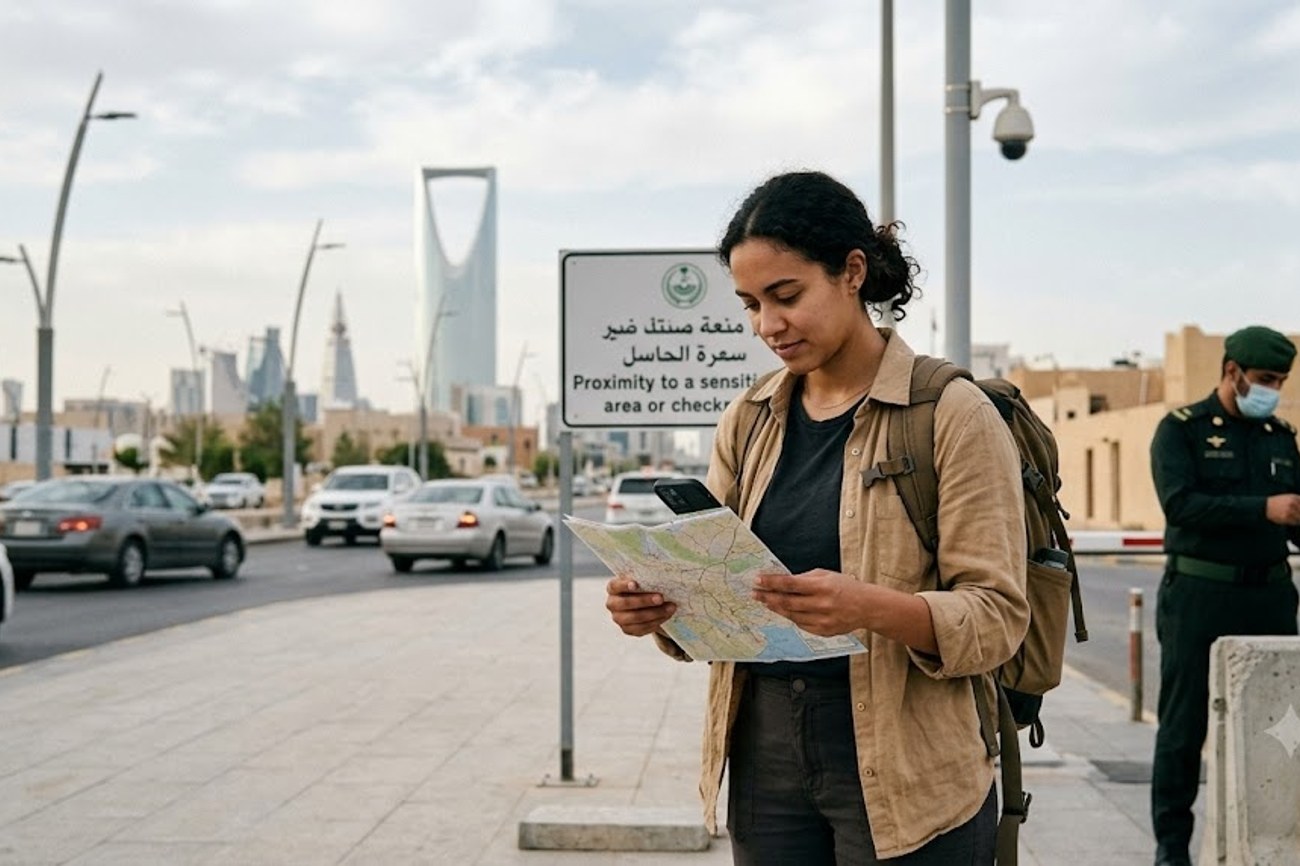
Image generated by AI
The US Department of State has maintained Saudi Arabia at a Level 3 "Reconsider Travel" status as of September 15, 2026, while simultaneously tightening movement controls for government personnel in specific border regions. This static national rating contrasts sharply with the localized escalation seen at the Yemen border, which remains a Level 4 "Do Not Travel" zone, creating a bifurcated risk profile for the Kingdom that differs significantly from the uniform security ratings often seen in stable G20 economies.
The Security Profile in Numbers: September 2026
The latest advisory update reveals a strategic shift in risk management rather than a general increase in national danger. While the overarching Level 3 designation persists, the granular data points toward a targeted restriction of movement. For US government employees, a new 20-mile (32-kilometer) exclusion zone has been established around the Yemen border. Furthermore, non-essential travel to Qatif is now prohibited for these officials, and special authorization is mandatory for entry into Jizan, Asir, and Najran.
From a data perspective, the risk indicators remain unchanged across two primary vectors: terrorism/armed conflict and local legal restrictions, including exit bans. The aviation sector remains functional, though the advisory explicitly notes that commercial flight stability is subject to "significant disruption" due to regional military activity. This indicates that while the capacity for tourism exists—supported by the continued issuance of e-visas—the reliability of the transport infrastructure is currently volatile.
According to data patterns tracked by IATA, regional airspace volatility often correlates with these types of diplomatic advisories, suggesting that while flights are operational, the "buffer" for scheduling is thinner than in previous years. The advisory specifically identifies high-density targets, including airports, hotels, and religious sites, as areas of elevated risk, which directly impacts the risk-assessment models used by corporate travel managers and insurance underwriters.
Comparative Risk Analysis: Regional and Sectoral Benchmarks
When comparing the current status of Saudi Arabia against regional benchmarks and historical data, a pattern of "contained instability" emerges. The Kingdom is attempting to scale its tourism sector—a core pillar of Vision 2030—while managing a high-friction border with Yemen. The disparity between the national Level 3 rating and the border's Level 4 rating is a critical distinction; it suggests that the risk is not systemic to the entire country but is heavily concentrated in the south.
The following table breaks down the current risk distribution and its impact on different traveler segments based on the September 15 update:
| Traveler Segment | National Status (Level 3) | Border Region Status (Level 4) | Operational Impact |
|---|---|---|---|
| US Government Employees | Restricted/Authorized | Prohibited (20-mile zone) | Mandatory authorization for Jizan, Asir, Najran, Qatif |
| Leisure Tourists | Reconsider Travel | Avoid Entirely | High reliance on flexible booking/insurance |
| Business Travelers | Reconsider Travel | Avoid Entirely | Potential for short-notice flight disruptions |
| Religious Pilgrims | Reconsider Travel | Avoid Entirely | Hajj/Umrah systems remain operational |
This distribution shows that while the "tourism engine" is still running—with no reported drop in visa issuance or hotel occupancy—the security overlay is becoming more complex. This mirrors trends seen in other emerging markets where rapid infrastructure growth outpaces the stabilization of regional security. Data from the World Travel & Tourism Council (WTTC) often highlights this tension in regions where "mega-projects" coexist with geopolitical volatility.
What This Means for Travelers
For the individual traveler, the data suggests that a "business as usual" approach to booking is no longer viable. The mention of "significant disruption" to commercial flights means that a confirmed ticket is no longer a guarantee of departure.
If you are planning a trip to Saudi Arabia in the coming quarters, the following data-driven adjustments are essential:
- Buffer Your Itinerary: Because regional military activity can trigger sudden airspace controls, avoid tight connections in Saudi hubs. Build in a 24-to-48-hour buffer for return flights to mitigate the risk of sudden cancellations.
- Geographic Filtering: Strictly avoid the southern provinces of Jizan, Asir, and Najran, and the city of Qatif. The fact that US government employees are prohibited from these areas serves as a leading indicator for the level of risk ordinary citizens face.
- Insurance Rigor: Standard travel insurance may not cover "Level 3" or "Level 4" destinations. Verify that your policy specifically covers "Political Evacuation" and "Terrorism," as the advisory explicitly mentions missiles and drone debris as active threats.
- Visa Compliance: While e-visas remain available for stays up to 90 days (with a 180-day annual limit), ensure your passport has at least six months of validity and two blank pages. For Hajj, remember that a standard tourist or Umrah visa is legally insufficient; only a dedicated Hajj permit is valid.
Forward Projection: The Stability Trajectory
Based on the current trajectory, Saudi Arabia is likely to maintain this "dual-track" security status through the end of the year. The decision to keep the national level at 3 while tightening specific regional controls for officials suggests that the US government views the risk as localized rather than systemic.
We can expect a continued reliance on the e-visa system to drive volume, but the "Reconsider Travel" tag will likely persist as long as the Houthi threats and drone activity remain active. For the travel industry, this means a shift toward "high-value, low-volume" tourism in the short term, as cautious travelers avoid the region, while those with high risk-tolerance or religious mandates continue to visit.
Market data from Statista regarding Middle East tourism suggests that Saudi Arabia's growth targets are aggressive; however, these targets will face headwinds if the "Level 3" designation remains a permanent fixture, as it complicates corporate travel insurance and government-funded business trips.
FAQ: Saudi Arabia Travel Security 2026
Will flight prices increase due to these warnings? Not necessarily. While security risks can impact insurance premiums for airlines, the high demand for religious travel and the Kingdom's push for tourism generally keep capacity high, which stabilizes pricing despite the Level 3 advisory.
Is it safe to use a tourist e-visa right now? Yes, the e-visa system remains fully operational. However, a visa grants legal entry but does not mitigate the security risks outlined in the advisory. Travelers should prioritize staying in major urban centers away from the southern border.
Which regions are the most dangerous for Americans? The Yemen border is the highest risk (Level 4). Additionally, Jizan, Asir, Najran, and Qatif are flagged as high-risk areas where US government personnel face strict movement restrictions.
Can I use my tourist visa for Hajj? No. The data is clear: Hajj requires a specific Hajj visa and an approved permit. Tourist, business, or standard Umrah visas are not valid for the Hajj period.
The intersection of ambitious tourism growth and persistent regional volatility makes Saudi Arabia a case study in calculated travel risk.
#SaudiArabiaSecurity2026 #USStateDepartmentAdvisory #MiddleEastTourismRisk #YemenBorderLevel4 #SaudiVisaTrends2026
Related Travel Guides
- Middle Eastern Countries Like Saudi Arabia, Oman and Others Transformed Coastal Tourism with Micro-Zoning Protocols Driving a New Era of Regenerative Luxury
- Los Angeles Helicopter Crash Kills Three in Chatsworth, Raising Fresh Travel Safety Concerns
- Florida Steps Up With Nevada And More Places To Counter Nearly 5% US Tourism Decline In July With Discounts And Incentives
Disclaimer
This article is for informational and educational purposes only. It does not constitute legal, financial, or professional advice. While we strive to provide accurate and up-to-date information, travel policies, regulations, and conditions change rapidly. Always verify information with official sources before making travel decisions. Nomad Lawyer makes no representations about the accuracy, reliability, completeness, or suitability of the information provided. Readers should consult qualified professionals for advice specific to their circumstances. The views expressed in this article are those of the author and do not necessarily reflect the views of Nomad Lawyer.
Preeti Gunjan
Contributor & Community Manager
A passionate traveller and community builder. Preeti helps grow the Nomad Lawyer community, fostering engagement and bringing the reader experience to life.
Learn more about our team →