
Breaking Airline News: Saudi Arabia Activates Al-Wajh Airport Gateway to Shield Elite Travelers from Global Travel Chaos
Breaking airline news: Amidst a terrifying era of severe operational fragility, Saudi Arabia aggressively deploys the upgraded Al-Wajh International Airport to shield elite luxury travelers from extreme global travel chaos.

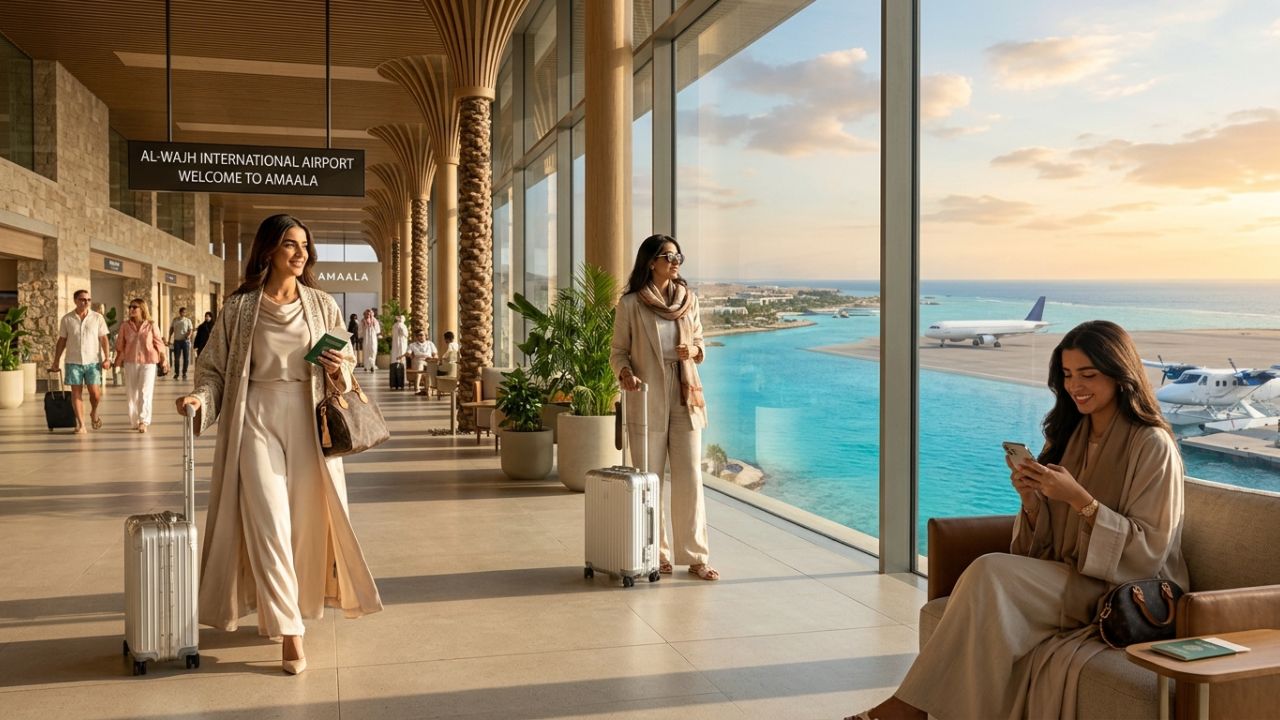
Image representing the intense strategic masterstroke as Saudi Arabia aggressively activates the upgraded Al-Wajh International Airport, providing elite global travelers a highly fortified sanctuary gateway to violently bypass extreme travel chaos.
Breaking Airline News: Saudi Arabia Activates Al-Wajh Airport Gateway to Shield Elite Travelers from Global Travel Chaos
As paralyzing terminal bottlenecks, severe airspace congestion, and catastrophic operational fragility violently threaten to completely shatter legacy international transit networks across Europe and Asia, Saudi Arabia has just activated a massive defensive countermeasure. In a harrowing era where sudden flight cancellations and extreme airport disruptions routinely plunge delayed passengers into terrifying captivity within congested mega-hubs, the Kingdom has aggressively executed a major transformation of Al-Wajh International Airport. Located in the strategic Tabuk region along the Red Sea coast, this newly upgraded facility is purpose-built to operate as an insulated, highly fortified gateway for Amaala—one of the world's most ambitious luxury wellness tourism projects. By purposefully diverting high-value international and domestic traffic away from failing, delay-prone commercial airports and directly into this newly modernized 500,000-capacity sanctuary, Saudi Arabia is actively shielding elite travelers from the terrifying reality of global travel chaos, establishing a disruption-free aviation corridor into the Middle East.
In a brutal demonstration of how desperately international passengers require massive, efficient, and uncompromised environments to survive systemic transit failures, the redevelopment of Al-Wajh International Airport represents far more than a standard terminal upgrade. For years, travelers seeking premium wellness retreats have been subjected to grueling, anxiety-inducing layovers in failing transit hubs, where a single weather delay instantly triggers total operational paralysis and obliterates their highly expensive vacation itineraries. By aggressively modernizing secondary airports to directly support integrated tourism ecosystems like Amaala, Saudi Arabia has engineered a massive tactical advantage. This strategic convergence of high-capacity aviation infrastructure and luxury hospitality ensures that the critical movement of elite passengers remains entirely fluid, replacing the terrifying reality of missed connections with highly orchestrated, VIP-level terminal relief.
Expanded Overview: Weaponizing Secondary Aviation Gateways
The terrifying crisis of overwhelming passenger stress currently testing international mega-gateways brutally exposes the severe limitations of forcing all traffic through a single, congested metropolitan airport. Recognizing this massive vulnerability, Saudi Arabia is aggressively leveraging secondary regional airports to actively manipulate passenger flow and maintain absolute terminal harmony during the peak tourism surge.
Section-Wise Breakdown: Deploying the Al-Wajh Extraction Zone
To fully comprehend the massive logistical and psychological advantage of this highly fortified terminal deployment, corporate travel planners and international luxury tour operators must review exactly how Saudi Arabia is executing this aviation strategy.
The Al-Wajh Operations Overhaul To ensure zero passenger frustration during a massive airline meltdown, the modernization of Al-Wajh International Airport has focused heavily on drastically expanding passenger bandwidth. Positioned perfectly along the Kingdom’s northwestern coastline, the airport currently receives critical scheduled domestic flights from Riyadh and Jeddah operated by Saudia. However, the true tactical value lies in its massive capacity upgrade.
| Infrastructure Feature | Updated Capability |
|---|---|
| Annual Passenger Capacity | 500,000 passengers |
| Capacity Increase | 100,000 additional passengers annually |
| Domestic Routes | Riyadh and Jeddah |
| Future Operations | International commercial flights |
| Aircraft Capability | Commercial aircraft, seaplanes, helicopters |
| Tourism Focus | Amaala and Red Sea destinations |
Bypassing the Gridlock: The Amaala Sanctuary The upgraded airport is an absolute necessity because it acts as the primary access point for Amaala, a flagship Red Sea development explicitly focused on luxury wellness, medical and preventive health experiences, and sustainable hospitality. Because wellness travelers demand seamless, stress-free transit, forcing them through chaotic, delayed commercial airports would destroy the destination's appeal. The enhanced Al-Wajh gateway guarantees that visitors can bypass travel chaos and transition smoothly from commercial jets to high-end marine tourism or helicopter transfers.
Vision 2030: The National Defense Network Saudi Arabia has invested heavily in aviation infrastructure to protect its economy from the vulnerabilities of legacy travel systems. The modernization of Al-Wajh fits precisely within a larger, highly aggressive network strategy designed to distribute tourism benefits safely and reliably beyond major metropolitan centers.
| Project | Strategic Purpose |
|---|---|
| Al-Wajh International Airport | Access to Amaala and Red Sea tourism |
| Red Sea International Airport | Red Sea tourism development |
| King Salman International Airport (Riyadh) | Global aviation hub |
| Expansion of Jeddah Airports | Pilgrimage and tourism growth |
| Regional Airport Upgrades | Domestic connectivity enhancement |
Passenger Impact: Surviving the Transit with Absolute Comfort
For the thousands of elite travelers attempting to confidently navigate the rapidly expanding Middle Eastern transit corridors, this dedicated infrastructure injection represents a highly critical sanctuary. Travelers seeking refuge from the horrifying prospect of missed connections and sudden flight cancellations are immediately redirected into a highly engaging, productive terminal zone.
Instead of battling thousands of other stranded passengers for limited seating, visitors arriving at Al-Wajh will experience a heavily fortified array of passenger amenities designed to eliminate travel stress immediately upon landing.
| Facility | Benefit for Travelers |
|---|---|
| Premium Lounges | Improved comfort before departure |
| Coffee Shops | Convenient food and beverage access |
| Mini-Market | Essential travel purchases |
| Car Rental Services | Easier regional exploration |
| Parking Facilities | Improved accessibility |
| Expanded Aircraft Capacity | More route opportunities |
Industry Analysis: The Core of Experiential Resilience
From a strategic aviation perspective, the massive deployment of the Al-Wajh International Airport cannot be understood without examining the broader global push for secondary tourism gateways. Aviation experts note that relying solely on mega-hubs has repeatedly proven disastrous during severe weather or ATC strikes.
Rather than funneling all Red Sea traffic through massive commercial hubs, Saudi Arabia is actively following the highly successful, disruption-proof aviation models utilized by the Maldives and Seychelles. By developing regional gateways that provide direct, insulated access to high-value tourism clusters, the Kingdom ensures that a devastating flight delay in Europe or Asia does not translate into a horrifying travel nightmare upon arrival in Saudi Arabia. This ensures that the massive investments in Amaala are fully protected by a resilient, dedicated aviation perimeter.
Conclusion: A New Era of Disruption-Free Transit
As the extremely critical global transit network continues to face terrifying strain from unprecedented operational volatility, the successful transformation of Al-Wajh International Airport is an absolute turning point. It signals a massive determination by Saudi Arabia to completely redefine the luxury travel experience by guaranteeing disruption-free access. For travelers exhausted by extreme travel chaos, sudden cancellations, and unpredictable airport disruptions, Al-Wajh is rapidly establishing itself as the ultimate operational sanctuary, proving that the future of resilient luxury travel relies entirely on crafting dedicated, highly secure secondary aviation gateways.
Key Takeaways
- Massive Capacity Injection: Saudi Arabia has aggressively upgraded Al-Wajh International Airport, increasing its annual passenger capacity by 100,000 to handle 500,000 travelers a year.
- The Amaala Gateway: The airport acts as the highly fortified primary entry point for Amaala, shielding elite wellness tourists from commercial mega-hub travel chaos.
- Operational Scope: The facility currently handles Saudia flights from Riyadh and Jeddah, and is fully capable of supporting commercial jets, seaplanes, and helicopters for future international operations.
- Enhanced Amenities: To eliminate passenger anxiety, the airport deployed premium lounges, new coffee shops, car rentals, and expanded parking to meet luxury standards.
- Vision 2030 Resilience: This upgrade is a critical component of a massive national aviation defense strategy, operating alongside King Salman International Airport and the Red Sea International Airport.
Related Travel Guides
Disclaimer
This article is for informational and educational purposes only. It does not constitute legal, financial, or professional advice. While we strive to provide accurate and up-to-date information, travel policies, regulations, and conditions change rapidly. Always verify information with official sources before making travel decisions. Nomad Lawyer makes no representations about the accuracy, reliability, completeness, or suitability of the information provided. Readers should consult qualified professionals for advice specific to their circumstances. The views expressed in this article are those of the author and do not necessarily reflect the views of Nomad Lawyer.
Kunal K Choudhary
Co-Founder & Contributor
A passionate traveller and tech enthusiast. Kunal contributes to the vision and growth of Nomad Lawyer, bringing fresh perspectives and driving the community forward.
Learn more about our team →