
Ryanair's Michael O'Leary Signs €150M Contract Extension Through 2032, Cementing Four-Decade Leadership
Breaking airline news and aviation industry updates for 2026.

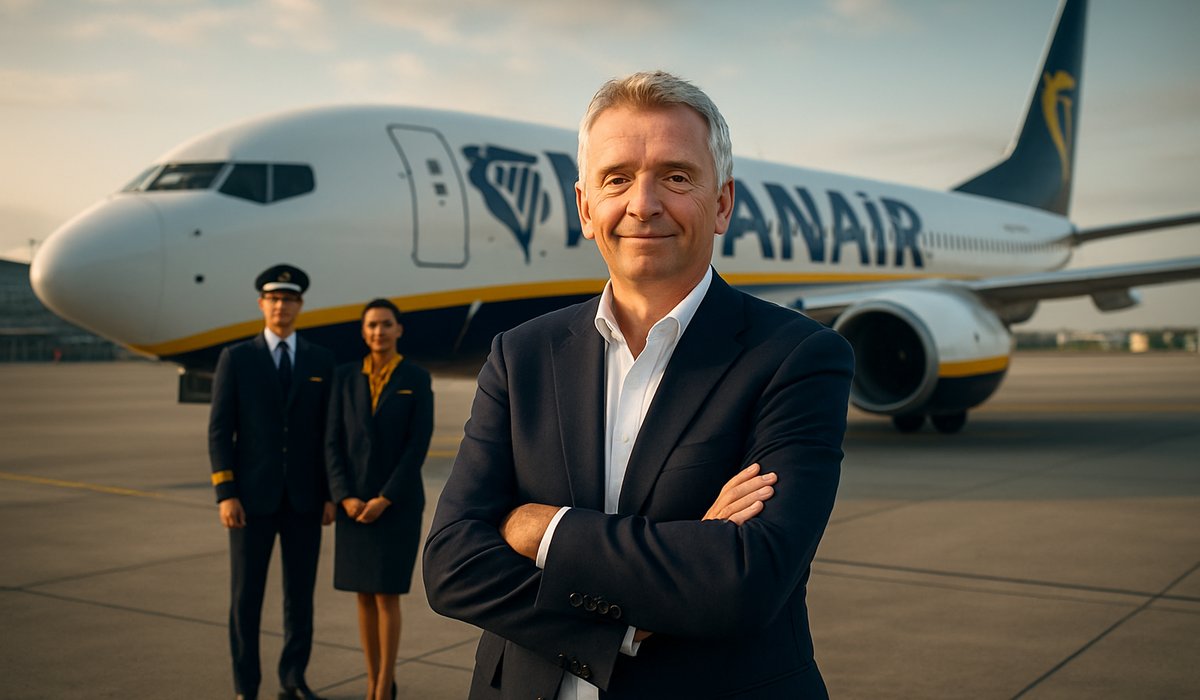
Image generated by AI
Ryanair's Michael O'Leary Signs €150M Contract Extension Through 2032, Cementing Four-Decade Leadership
Irish budget airline locks in CEO through 2032 as Europe's most controversial airline chief secures landmark deal
Long-Term Leadership Deal Signals Stability At Europe's Largest Budget Carrier
Michael O'Leary will remain chief executive of Ryanair Group until at least April 2032 following confirmation of a major contract extension valued at over €150 million ($172 million) through performance-based share options. The agreement extends one of Europe's most polarizing aviation figures' tenure to nearly four decades, cementing his position as a transformative—if contentious—force in the continent's airline industry.
O'Leary, who assumed control of the then-troubled Irish carrier in 1994, has reshaped Ryanair from a regional struggling operator into Europe's largest budget airline by passenger numbers. His leadership through the 2032 target date will represent approximately 38 years at the helm, establishing him among the longest-serving chief executives in modern European aviation history.
Unprecedented Tenure In A Volatile Industry
The deal underscores board confidence in O'Leary's strategic direction, despite his well-documented confrontational management style and frequent clashes with regulators, consumer advocates, and competitors. His tenure has coincided with transformative shifts across the aviation industry—from the post-9/11 security crackdown through the 2008 financial crisis, the COVID-19 pandemic, and escalating concerns over jet fuel prices and environmental sustainability.
Under O'Leary's watch, Ryanair pioneered the low-cost carrier model in Europe, introducing aggressive baggage fees, ancillary charges, and operational efficiency measures that have become industry standard. The airline's fee-based revenue model—generating billions from excess baggage charges, seat selection, and ancillary services—has proven highly lucrative, though it has repeatedly drawn regulatory scrutiny and consumer complaints.
Continuity Amid Industry Turbulence
The contract extension signals continuity during a period of considerable uncertainty for global aviation. Rising jet fuel prices, geopolitical tensions affecting routes and operational costs, and mounting pressure over carbon emissions have created headwinds across the sector. Ryanair's reliance on high-volume, low-margin operations has made fuel cost fluctuations particularly consequential to its financial performance.
Industry analysts suggest the extended contract provides stability to Europe's busiest airline during volatile economic conditions. Ryanair Group carries more than 150 million passengers annually across its network, wielding substantial influence over European aviation pricing and route development.
FAQ: Understanding Ryanair's Leadership Transition And Airline Fee Trends
Q: Why is Michael O'Leary's contract extension significant for airline customers? A: Long-term leadership stability often translates to consistent airline fee structures and baggage charge policies. O'Leary's retention through 2032 means Ryanair's ancillary revenue model—already established industry-wide—will likely persist through the current decade.
Q: How do jet fuel prices influence Ryanair's performance and fee policies? A: Fuel costs represent airlines' largest operating expense. When jet fuel prices rise, budget carriers like Ryanair often offset costs through increased baggage charges and ancillary fees rather than raising base fares.
Q: What makes O'Leary's tenure exceptional in aviation leadership? A: Few airline executives maintain operational control for four decades. O'Leary's longevity is extraordinary, particularly given aviation industry volatility, regulatory pressures, and the competitive intensity of European budget aviation.
Q: How has Ryanair's fee structure influenced broader industry practices? A: Ryanair pioneered aggressive baggage charging and ancillary fee monetization. Competitors subsequently adopted similar models, making unbundled pricing standard across budget carriers globally.
Q: Does the €150M contract extension impact ticket prices for travelers? A: Executive compensation structures don't directly determine passenger fares; market competition and fuel costs drive pricing. However, extended leadership continuity can indicate stable operational strategies and consistent pricing approaches.
Related Travel Guides
-
Air Canada Brisbane-Vancouver 10th Anniversary: A Decade of Direct Service
-
Airbus A350 Emerges as Fuel-Efficiency Game-Changer, Challenging Boeing's Widebody Dominance
External Resources
Disclaimer
This article is for informational and educational purposes only. It does not constitute legal, financial, or professional advice. While we strive to provide accurate and up-to-date information, travel policies, regulations, and conditions change rapidly. Always verify information with official sources before making travel decisions. Nomad Lawyer makes no representations about the accuracy, reliability, completeness, or suitability of the information provided. Readers should consult qualified professionals for advice specific to their circumstances. The views expressed in this article are those of the author and do not necessarily reflect the views of Nomad Lawyer.
Preeti Gunjan
Contributor & Community Manager
A passionate traveller and community builder. Preeti helps grow the Nomad Lawyer community, fostering engagement and bringing the reader experience to life.
Learn more about our team →