
US Air Force Retires F-15C Eagle Fleet After Nearly 50 Years of Undefeated Combat Record
Breaking airline news and aviation industry updates for 2026.

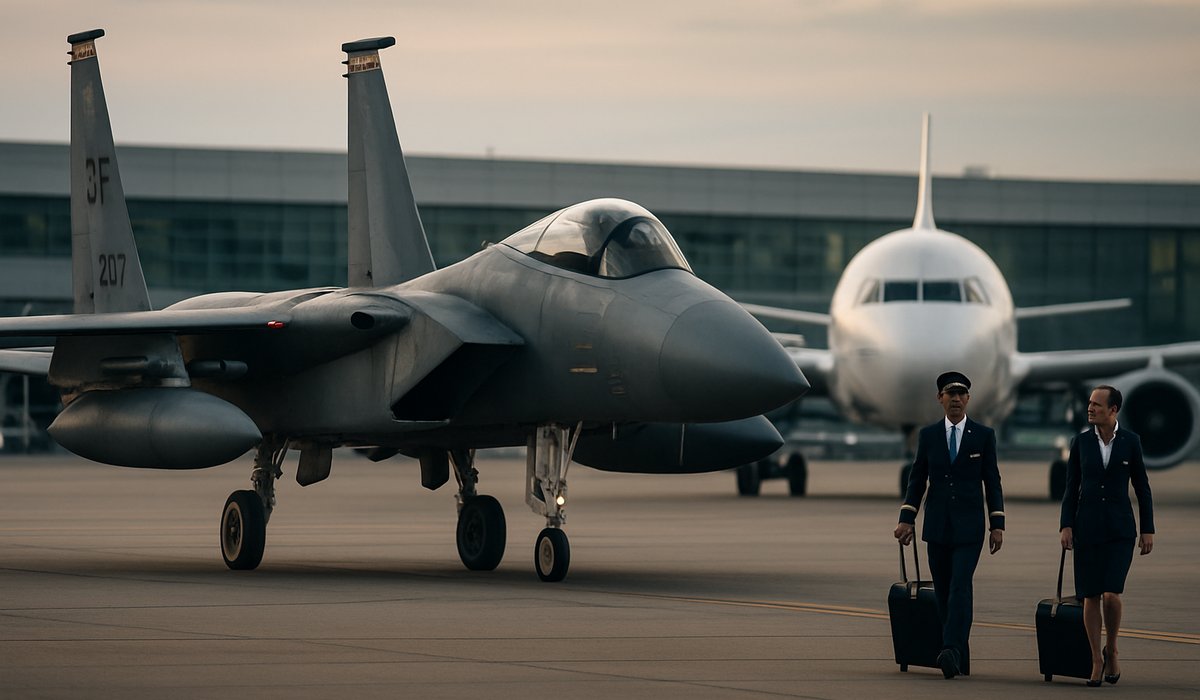
Image generated by AI
US Air Force Retires F-15C Eagle Fleet After Nearly 50 Years of Undefeated Combat Record
Historic fighter jet marks final operational sortie at Kadena Air Base, but elite squadron of "Platinum Eagles" will continue flying through 2031
End of an Era for Cold War's Most Dominant Fighter
The United States Air Force has officially retired the McDonnell Douglas F-15C Eagle from active-duty service, concluding a remarkable 49-year operational tenure that established the aircraft as one of the most formidable air superiority platforms ever deployed. On January 24, 2025, the 18th Wing stationed at Kadena Air Base in Okinawa executed the final combat-ready flight of the legendary fighter, marking a symbolic end to an aircraft that compiled an extraordinary 104-0 record in aerial engagements without sustaining a single loss to enemy fighter opposition.
The retirement decision reflects broader U.S. military modernization strategies aimed at transitioning to fifth-generation fighters, particularly the F-35 Lightning II, as the backbone of tactical air operations worldwide. However, the Air Force's decision to preserve a small cadre of F-15C airframes demonstrates the enduring operational value certain legacy platforms continue to provide across specific mission requirements.
"Platinum Eagles" Program Extends Select Aircraft Through Early 2030s
Rather than consigning the entire fleet to storage facilities, the Air Force has implemented a selective retention initiative designated as the "Platinum Eagles" program. This strategy identifies structurally superior airframes from the broader legacy fleet—those demonstrating the least accumulated flight hours and optimal airworthiness conditions—for continued operational service.
These carefully curated aircraft will remain operational at Fresno Air National Guard Base in California through fiscal year 2031, extending their service life by six additional years. Air Combat Command officials have designated this subset as possessing the highest structural integrity and maintainability standards within the aging F-15C inventory, justifying their preservation beyond the broader fleet retirement.
Significance for Global Air Power Dynamics
The F-15C Eagle's retirement signifies a transitional moment in air superiority doctrine. Since entering service in 1976, the aircraft became the foundation of American and allied air dominance throughout the Cold War, multiple regional conflicts, and post-9/11 operations across the Middle East and Pacific theaters.
The preservation of select airframes reflects military planners' recognition that total fleet retirement sometimes conflicts with operational flexibility. Maintaining a limited "surge capacity" of proven, combat-tested airframes provides commanders additional options during contingency operations or force structure gaps during extended modernization timelines.
FAQ: F-15C Retirement and Military Aviation Implications
Q: Why is the Air Force retiring the F-15C when it remains a capable fighter? A: The service prioritizes transitioning to fifth-generation F-35 fighters with advanced stealth, sensor fusion, and network-centric warfare capabilities that outmatch fourth-generation platforms across multiple combat scenarios.
Q: What makes the "Platinum Eagles" structurally different from other F-15Cs? A: These aircraft demonstrate lower total flight hours, superior fuselage and airframe conditions, and require less maintenance to maintain operational readiness through 2031.
Q: Will the Fresno-based F-15Cs deploy for combat operations? A: The aircraft will primarily support training, proficiency, and contingency operations rather than sustained front-line deployment.
Q: How does this retirement affect allied nations operating F-15s? A: U.S. retirement decisions influence sustainment planning for allied air forces operating identical or variant F-15 platforms throughout Europe and the Pacific region.
Q: What happens to retired F-15C airframes? A: Aircraft are typically transferred to long-term storage facilities, considered for foreign military sales to allied nations, or processed for controlled dismantling and recycling programs.
Related Travel Guides
-
Why the US Air Force Refuses to Retire the A-10 Warthog Despite Five Decades of Service
-
Travel Turmoil at Pensacola International: Spirit and Southwest Face Cancellations and Delays
-
Air New Zealand Becomes First International Carrier at Western Sydney Airport
External Resources
Disclaimer
This article is for informational and educational purposes only. It does not constitute legal, financial, or professional advice. While we strive to provide accurate and up-to-date information, travel policies, regulations, and conditions change rapidly. Always verify information with official sources before making travel decisions. Nomad Lawyer makes no representations about the accuracy, reliability, completeness, or suitability of the information provided. Readers should consult qualified professionals for advice specific to their circumstances. The views expressed in this article are those of the author and do not necessarily reflect the views of Nomad Lawyer.
Kunal K Choudhary
Co-Founder & Contributor
A passionate traveller and tech enthusiast. Kunal contributes to the vision and growth of Nomad Lawyer, bringing fresh perspectives and driving the community forward.
Learn more about our team →