
Rwanda and Global Destinations Redefine Luxury Travel Through Conservation Resorts and Wilderness Escapes
Luxury travel shifts toward conservation, heritage, and wilderness, highlighted by Singita Kwitonda Lodge in Rwanda and Shinta Mani Mustang in Nepal.

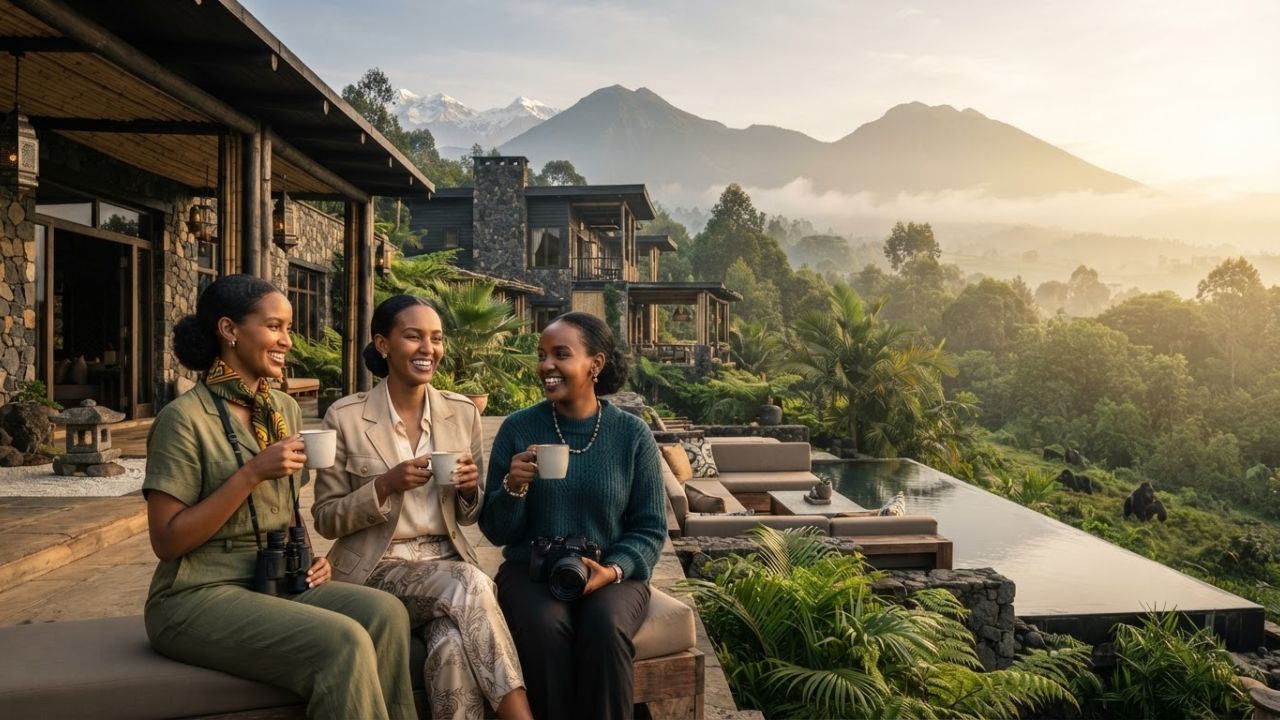
Image generated by AI
From mountain gorilla conservation in Rwanda's Volcanoes National Park to high-altitude Himalayan retreats like Shinta Mani Mustang in Nepal, global luxury travel is shifting toward nature-based escapes and conservation-centric hospitality. Affluent travelers are increasingly seeking stays that blend exceptional comfort with direct support of biodiversity protection and local heritage.
A new chapter of premium hospitality is emerging as remote destinations around the world reframe the meaning of luxury travel. The conventional focus on five-star city hotels is increasingly replaced by a preference for exclusive stays surrounded by wildlife, mountain corridors, cultural landmarks, and undisturbed natural environments. Backed by conservation-led properties and private wilderness retreats, the global hospitality sector is shifting toward a model where environmental stewardship, cultural authenticity, and highly personalized experiences shape the guest journey.
For the modern traveler, the real impact is a transition from passive sightseeing to active participation in local ecosystems and community protection. High-end accommodations are becoming platforms for ecological restoration and heritage conservation, demonstrating that luxury and environmental responsibility can exist together.
The Local Trend Revealed
This global shift is reflected in properties highlighted in rankings such as Robb Report’s “50 Greatest Luxury Hotels on Earth.” In Rwanda, the tourism model focuses on protecting endangered species while developing exclusive visitor experiences. Singita Kwitonda Lodge, situated on the edge of Volcanoes National Park, offers direct access to mountain gorilla trekking. Managed in coordination with the Rwanda Development Board (RDB), the lodge channels tourism revenue into buffer-zone reforestation and gorilla habitat protection, proving that conservation is an essential pillar of modern premium travel.
In Nepal’s high-altitude Mustang region, Shinta Mani Mustang has redefined mountain travel. Located in the Kali Gandaki Valley at approximately 2,800 meters above sea level, this 29-suite sanctuary designed by Bill Bensley provides panoramic views of the Nilgiri and Dhaulagiri mountain ranges. Rather than introducing a standard resort structure, the property integrates traditional Tibetan medicine and supports local preservation initiatives under the guidance of the Nepal Tourism Board.
Other global properties demonstrating this shift include:
- United Kingdom: Hope Lodge in the Scottish Highlands offers private lochside lodging, fly-fishing, and wilderness isolation under conservation models backed by NatureScot.
- Japan: Park Hyatt Tokyo in Shinjuku, occupying the top floors of the Shinjuku Park Tower, combines urban hospitality with Japanese cultural traditions, featuring the New York Bar on the 52nd floor.
- India: Shakti Prana in the Kumaon region of Uttarakhand offers private mountain village experiences, snow-covered Himalayan views, and local culinary immersion.
- Morocco: La Mamounia in Marrakech preserves historic palace architecture, traditional plasterwork, and courtyard gardens within the ancient city walls.
- Indonesia: Nihi Sumba on Sumba Island features private villas across more than 500 acres of tropical setting, combining marine conservation with local community programs.
- New Zealand: Flockhill Lodge in the Canterbury region sits on a 36,000-acre high-country sheep station in the South Island, surrounded by limestone cliffs and glacial valleys.
- Mexico: Rosewood Mayakoba in the Riviera Maya utilizes eco-boats to navigate mangrove waterways, focusing on protecting delicate coastal lagoon systems.
Cultural & Environmental Value (Information Gain & Experience)
For the visitor, the real impact of these conservation-centric properties is the preservation of fragile environments. Rather than constructing new concrete resorts, developers are focusing on low-impact architectures, restoring local peatlands in Scotland, reforesting volcanic buffer zones in Rwanda, and maintaining ancient irrigation channels in Mustang.
By employing local guides, artisans, and farmers, these retreats keep tourism capital within the regional economy. Guests receive opportunities to participate directly in wildlife tracking, heritage restoration, and community-led conservation projects, creating an authentic experience that newly constructed urban hotels cannot easily replicate.
Visitor Insider Tips
To help you plan a respectful and rewarding journey through these diverse regions, follow these local guidelines:
- Trekking Etiquette (Rwanda): When tracking mountain gorillas in Volcanoes National Park, always follow your guide's instructions. Maintain a minimum distance of 10 meters from the animals, avoid direct eye contact, and keep your voice lowered to prevent disturbing the group.
- Mountain Cultural Customs (Nepal): When trekking through the Mustang region, always walk clockwise around Buddhist stupas, mani walls, and chortens. Never photograph religious ceremonies or monks without asking for permission first.
- Local Dining Specialties:
- In Rwanda: Try local dishes seasoned with a drop of Akabanga (a highly potent local chili oil) and taste raw forest honey harvested near the volcanic slopes.
- In Nepal: Sample traditional Tsampa (roasted barley flour) and warm butter tea (Suja) to stay energized and hydrated at high altitudes.
- Off-Peak Visit Windows:
- For Rwanda: Book your gorilla trekking permits during the short dry season of January to February to avoid the heaviest trail mud while enjoying cooler hiking temperatures.
- For Nepal: Travel to Mustang during the transitional months of September or October for clear skies and optimal views of the Dhaulagiri range before winter snow closes the high passes.
- Under-the-Radar Spots:
- In Rwanda: Spend a day exploring the quiet twin lakes of Burera and Ruhondo, located near the base of the Virunga volcanoes.
- In Nepal: Visit the ancient village of Lupra, one of the last remaining settlements practicing the pre-Buddhist Bon religion in the Kali Gandaki valley.
Tourism Outlook
The rise of conservation-led resorts in Rwanda and high-altitude sanctuaries in Nepal indicates a long-term transition in premium travel. As global travel volumes continue to grow, remote destinations are leveraging their isolation as a premium asset, proving that privacy and untouched environments are the ultimate luxury.
By balancing visitor limits with environmental protection, these destinations show that high-value, low-impact tourism models can protect natural resources for future generations. The success of these resorts encourages other regional authorities to adopt conservation-centric policies, demonstrating that protecting local ecosystems is the most sustainable pathway to long-term hospitality growth.
Internal Connection
- Suba Hotels Expands Whitefield Portfolio with the Launch of Quality Inn Bhavishya in Whitefield Hub
- Romania Monastery Hotels and Slovenia Sacred Hospitality Lead Central Europe Heritage Travel
- United States Travel Advisory Re-Evaluates Kenya Security Levels Over Persistent Crime and Cross-Border Terrorism Threats
Disclaimer
This article is for informational and educational purposes only. It does not constitute legal, financial, or professional advice. While we strive to provide accurate and up-to-date information, travel policies, regulations, and conditions change rapidly. Always verify information with official sources before making travel decisions. Nomad Lawyer makes no representations about the accuracy, reliability, completeness, or suitability of the information provided. Readers should consult qualified professionals for advice specific to their circumstances. The views expressed in this article are those of the author and do not necessarily reflect the views of Nomad Lawyer.
Kunal K Choudhary
Co-Founder & Contributor
A passionate traveller and tech enthusiast. Kunal contributes to the vision and growth of Nomad Lawyer, bringing fresh perspectives and driving the community forward.
Learn more about our team →