Royal Caribbean Extends Labadee Haiti Cruise Suspension Through April 2028: Caribbean Itineraries Diverted

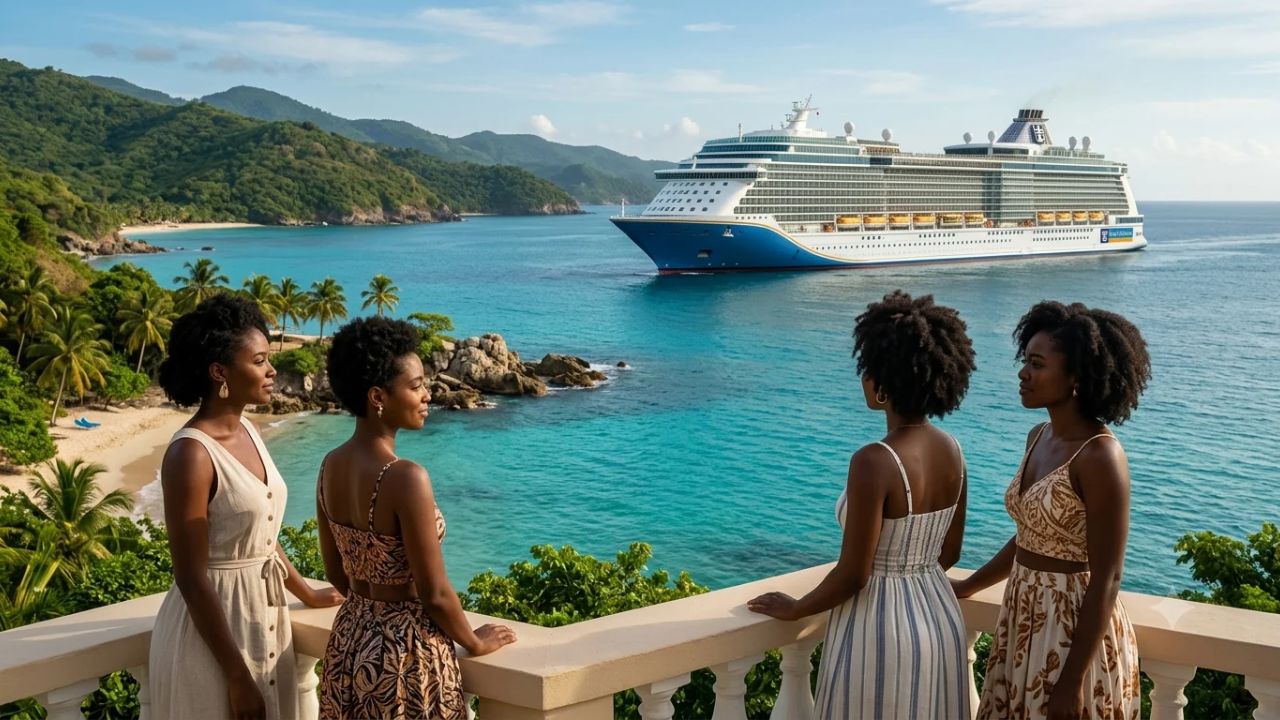
Royal Caribbean International has officially extended its fleetwide suspension of port calls to Labadee, Haiti through April 2028, diverting itineraries across the Caribbean.
MIAMI, November 3, 2026 — Royal Caribbean International has officially extended the suspension of all cruise ship calls to its private resort destination of Labadee in northern Haiti through April 2028, removing the long-standing port of call from its global fleet schedules for an additional ten months. The strategic corporate decision, confirmed on November 2 following security reviews by Royal Caribbean Group's Global Security and Intelligence team, prolongs an operational hiatus that has kept passenger vessels away from Haitian territorial waters since the first quarter of 2025, triggering extensive itinerary realignments across the Western and Eastern Caribbean that redistribute thousands of cruise passengers toward alternative ports in the Bahamas, Turks and Caicos, Mexico, and the Dominican Republic.
[!NOTE] Key Operational Alert for Caribbean Cruise Passengers: Royal Caribbean's fleetwide suspension of Labadee calls is now officially extended through April 2028, superseding the previous June 2027 target. The destination has remained inactive for commercial passenger operations since early 2025 amid escalating gang control, widespread humanitarian crises, and active United States Department of State Level 4 "Do Not Travel" advisories. Affected voyagers will receive direct itinerary adjustments substituting alternative destinations—including Nassau, Grand Bahama, Grand Turk, Amber Cove, or additional sea days—without establishing automatic entitlement to full voyage refunds under standard maritime carriage contracts.
LABADEE SUSPENSION & CARIBBEAN FLEET DIVERSION
| Column 1 |
|---|
| [ SUSPENDED DESTINATION ] |
| Labadee, Northern Haiti (Private Peninsula Resort) |
| * Threat Drivers: Gang violence, 1.49M IDPs, state of emergency, US Level 4 travel warning |
| v [ FLEET TRAFFIC REDISTRIBUTION ] |
| +---------------------------+----------------------------+-------------------------------------+ |
| +---------------------------+----------------------------+-------------------------------------+ |
| [ MARITIME CONTRACT REALITY ] |
| * Port substitution is a standard contractual right under carrier passenger ticket contracts. |
| * Government port taxes & prepaid excursion fees refunded; core cruise fare remains non-refundable. |
The Extended Operational Horizon: Anatomy of the April 2028 Labadee Suspension
Royal Caribbean International's formal declaration on November 2, 2026, extending the operational suspension of Labadee through April 2028 marks a profound structural shift in Caribbean deployment strategies. Historically, cruise lines manage regional security disruptions through short-term, rolling 30-day or 60-day cancellations. Pushing an operational moratorium eighteen months into the future signals that corporate security strategists view Haiti's stabilization as a multi-year challenge rather than a transient civil disturbance.
Labadee occupies an exclusive 260-acre private peninsula along Haiti's mountainous northern shore, roughly six miles northwest of Cap-Haïtien. Leased by Royal Caribbean since 1986 under a long-term sovereign concession agreement with the Haitian government, the destination was conceived as an insulated tropical sanctuary. Enclosed by security fencing, guarded by private security personnel, and featuring pristine beaches, private cabanas, water sports parks, and the Dragon's Breath Flight Line zip line, Labadee served as a high-margin cornerstone for Royal Caribbean's seven-night Caribbean circuits departing South Florida ports like PortMiami, Port Everglades, and Port Canaveral.
The latest directive, derived from ongoing assessments by Royal Caribbean Group's Global Security and Intelligence unit, acknowledges that an insulated physical perimeter cannot neutralize broader maritime and geopolitical vulnerabilities. Royal Caribbean's risk managers evaluate vessel transit safety through territorial waters, emergency evacuation corridors, search-and-rescue responsiveness, and medical infrastructure availability. In the event of an unforeseen security breach or catastrophic medical emergency ashore, the collapse of municipal governance in Haiti eliminates dependable public law enforcement or regional aeromedical support. By locking in cancellations through April 2028, Royal Caribbean provides itinerary certainty for its marine operations, shoreside ticketing desks, and commercial travel partners, eliminating the administrative friction of month-to-month schedule revisions.
Haiti's Deepening Geopolitical and Humanitarian Crisis: The UN and State Department Realities
The corporate decision to abandon port calls through 2028 is directly anchored in the deteriorating reality documented by international diplomatic and human rights organizations. Haiti has been gripped by escalating gang warfare since early 2024, when heavily armed criminal coalitions overran state penitentiaries, seized vital supply corridors, and targeted government infrastructure across the capital of Port-au-Prince. A national state of emergency, originally enacted in March 2024, remains in continuous legal effect across broad sectors of the country.
Independent reports published by the United Nations Integrated Office in Haiti highlight a catastrophic humanitarian breakdown. Between July and early October 2026 alone, armed gang violence claimed the lives of at least 1,123 individuals and left more than 440 severely wounded. Armed groups continue to carry out widespread extortion, violent kidnappings, and territorial blockades, choking commercial transport corridors linking the capital to northern departmental hubs like Cap-Haïtien.
The humanitarian toll has reached levels unseen in modern Caribbean history. United Nations migration monitoring data confirms that approximately 1.49 million people were internally displaced across Haiti by August 2026. Hundreds of thousands of displaced families are sheltering in makeshift camps, public schools, and public plazas without basic sanitary infrastructure, safe drinking water, or reliable access to food supplies. Concurrently, political stabilization mechanisms have stalled: national elections, originally scheduled for December 2026 under a transitional presidential council framework, were postponed indefinitely due to the absence of physical security, logistical collapse, and contested electoral mandates.
Reinforcing these security dynamics, the United States Department of State continues to maintain a Level 4 – Do Not Travel advisory for Haiti, its most severe travel classification. Reissued in full on July 10, 2026, the federal advisory cites endemic violent crime, armed kidnapping for ransom, civil unrest, civil terrorism, and near-total healthcare collapse as extreme hazards confronting foreign nationals. Additionally, commercial aviation connectivity between the United States and Port-au-Prince remains crippled under Federal Aviation Administration flight bans and commercial carrier cancellations following gunfire incidents against commercial airliners. The State Department explicitly warns American citizens that the United States Embassy operates under severe security constraints, rendering consular emergency evacuation or physical rescue virtually impossible in the event of an acute crisis. While foreign government warnings primarily advise their respective citizens, international cruise lines incorporate these threat matrices directly into their legal duty-of-care obligations.
Chronology of Disruption: How Royal Caribbean's Labadee Calls Unraveled from 2024 to 2028
The path toward the current April 2028 suspension reflects an escalating series of operational retractions as Haiti's national crisis progressively deepened. The timeline illustrates how initial tactical cancellations evolved into a structural multi-year redeployment.
| Date / Milestone | Operational Suspension Status | Key Security & Contextual Triggers | Impact on Royal Caribbean Fleet |
|---|---|---|---|
| Early 2024 | Temporary tactical suspension | Surge in armed gang violence and prison breaks in Port-au-Prince; national state of emergency declared. | Selected sailings diverted to CocoCay or alternative Caribbean ports on a week-to-week basis. |
| Q1 2025 | Brief operational resumption & final calls | Limited return of vessel calls to Labadee under enhanced security monitoring; final passenger calls completed. | Last commercial passenger visits recorded before persistent regional instability prompted a full halt. |
| January 2026 | Calendar-year suspension through 2026 | Armed gang coalitions expand territorial control outside the capital, threatening maritime fuel and transport routes. | All 2026 fleet deployments systematically scrubbed of Labadee calls; Western Caribbean schedules overhauled. |
| July 2026 | Mid-year extension through June 2027 | UN human rights reports detail over 1,000 casualties; election schedules falter; US Level 4 advisory reaffirmed. | 2026–2027 winter and spring seasons adjusted; berth allocations secured at alternative regional ports. |
| November 2, 2026 | Comprehensive extension through April 2028 | UN confirms 1.49M internally displaced people; December 2026 elections postponed indefinitely; ongoing state of emergency. | Complete removal of Labadee across all global fleet itineraries through the entire 2027–2028 Caribbean operating cycle. |
The Private Resort Paradox: Physical Perimeter Security vs. Maritime Sovereign Risk
Royal Caribbean's experience at Labadee illuminates a critical strategic paradox within modern cruise tourism: the operational vulnerability of private enclave resorts situated within fragile sovereign states. Over the past three decades, major cruise corporations invested billions in developing private beach paradises—such as Royal Caribbean's Perfect Day at CocoCay in the Bahamas, Disney Cruise Line's Castaway Cay, and Norwegian Cruise Line's Great Stirrup Cay.
The primary commercial appeal of an enclave resort lies in total experiential control. On Labadee, Royal Caribbean managed food quality, beverage packages, excursion pricing, and environmental maintenance within a gated compound, insulating vacationers from the economic poverty and logistical friction of urban Caribbean travel. For decades, this separation functioned successfully because northern Haiti remained geographically detached from political turmoil in southern Port-au-Prince.
However, the complete disintegration of state authority dismantles the viability of sovereign enclave operations. A cruise ship berthing at Labadee cannot operate in an absolute geopolitical vacuum. The vessel must enter Haitian territorial waters, clear national customs and immigration protocols, and coordinate maritime security with sovereign coastal authorities. In addition, hundreds of local Haitian residents enter the peninsula daily to staff dining halls, maintain landscaping, operate excursion watercraft, and sell artisanal crafts at the artisan market. When criminal gangs establish armed checkpoints along northern highways and maritime pirate skiffs conduct opportunistic armed robberies in coastal waters, the security barrier of a private perimeter becomes compromised.
Marine underwriters and corporate risk officers must also prepare for black-swan scenarios: an armed incursion onto the resort, a medical emergency requiring shore-based hospitalization, or an unexpected mechanical stranding of thousands of passengers in a country without functioning civil order. Under international maritime duty-of-care precedents, proceeding with leisure voyages to a nation under an active Level 4 advisory exposes the cruise operator to severe corporate liability if passengers or crew suffer preventable harm.
Caribbean Fleet Re-Routing Matrix: Where Diverted Ships and Passenger Volumes Are Heading
Canceling hundreds of scheduled port calls at Labadee creates an enormous logistical challenge, forcing fleet deployment directors to reconfigure Caribbean itineraries across dozens of mega-ships, including Oasis-class and Icon-class liners. Vessels originally routed through northern Haiti must be absorbed by alternative maritime gateways without exceeding berth capacities or creating excessive ship congestion.
FLEET DIVERSION DESTINATION PROFILES
| Column 1 |
|---|
| [ NASSAU, BAHAMAS ] |
| * Profile: High-capacity mega-pier facility capable of berthing up to six mega-ships daily. |
| * Passenger Experience: Historic walking tours, Straw Market, Atlantis Paradise Island, beaches. |
| * Operational Advantage: Proximity to Florida ports; minimizes marine fuel consumption. |
| [ GRAND TURK, TURKS & CAICOS ] |
| * Profile: Purpose-built cruise center featuring beachside cabanas, pool facilities, and shops. |
| * Passenger Experience: Coral reef snorkeling, scuba diving, historical Cockburn Town excursions. |
| * Operational Advantage: Direct geographic substitute along Eastern Caribbean sailing routes. |
| [ AMBER COVE, DOMINICAN REPUBLIC ] |
| * Profile: Sheltered resort harbor located near Puerto Plata on the northern coast of Hispaniola. |
| * Passenger Experience: Cabana rentals, zip lining, historic fortress tours, Damajagua Waterfalls. |
| * Operational Advantage: Geographically contiguous to northern Haiti; maintains regional route. |
| [ COZUMEL, MEXICO ] |
| * Profile: The Western Caribbean's premier cruise destination with multiple multi-ship piers. |
| * Passenger Experience: Mayan archaeological ruins, marine eco-parks, barrier reef diving. |
| * Operational Advantage: Absorbs high-volume diversions from Western Caribbean itineraries. |
| [ ADDITIONAL DAYS AT SEA ] |
| * Profile: Full 24-hour navigational periods operating in international Caribbean waters. |
| * Passenger Experience: Expanded onboard programming, spa services, casino gaming, dining. |
| * Operational Advantage: Relieves port congestion; maximizes onboard passenger spending yield. |
Port Absorption Dynamics: Nassau, Grand Turk, Amber Cove, and Cozumel Capacity Pressures
The multi-year exclusion of Labadee reshapes the economic balance of power among Caribbean ports. When a mega-liner carrying 5,000 to 7,000 passengers bypasses a destination, that passenger spending capacity must be absorbed elsewhere. However, regional port infrastructure is not infinitely elastic.
Nassau has emerged as the primary beneficiary of Caribbean itinerary diversions. Following the completion of its $300 million waterfront revitalization project, the Port of Nassau expanded its deep-water infrastructure to accommodate up to six mega-ships simultaneously, processing more than 30,000 cruise visitors in a single day. Royal Caribbean heavily utilizes Nassau for diverted sailings due to its close geographic proximity to South Florida, which allows ships to maintain relaxed sailing speeds and reduce fuel consumption. However, the concentration of mega-ships in Nassau has intensified passenger density in downtown shopping districts and public beaches, prompting cruise lines to encourage shore excursions to private islands and beach clubs.
Grand Turk Cruise Center in the Turks and Caicos represents an ideal experiential replacement for Labadee. Built specifically for cruise guests, Grand Turk offers direct beach access from the pier, swimming pools, beachfront bars, and marine excursions. Its two-berth pier, however, imposes strict capacity ceilings. When scheduling conflicts prevent Grand Turk from accepting diverted calls, Royal Caribbean frequently turns to Amber Cove in the Dominican Republic. Located in the Bay of Maimón near Puerto Plata, Amber Cove offers expansive resort-style amenities, private cabanas, and easy access to cultural and adventure excursions across the Dominican Republic's northern coast.
In the Western Caribbean, itinerary planners frequently substitute Cozumel or declare an additional day at sea. While an extra day at sea alters the traditional port-to-sea-day ratio of a seven-night cruise, modern mega-ships like Icon of the Seas and Wonder of the Seas are engineered as floating entertainment destinations. Onboard amenities—such as multi-story waterparks, ice rinks, theatrical productions, and dozens of culinary venues—allow operators to deliver engaging guest experiences while generating substantial onboard revenue across casinos, beverage packages, and specialty dining.
Passenger Contractual Rights: Itinerary Deviations, Port Charges, and Compensation Thresholds
The extension of the Labadee suspension through April 2028 underscores an essential consumer legal reality: the broad contractual authority wielded by cruise lines under standard passenger ticket contracts. When travelers purchase a cruise vacation, the contract of carriage universally grants the operator unconstrained operational discretion to alter itineraries, eliminate scheduled port calls, substitute destinations, or cancel shore visits without advance notice.
Under maritime contract law, the published cruise itinerary represents an estimated schedule of navigation rather than a legally enforceable guarantee of specific port arrivals. Cruise contracts explicitly state that mechanical issues, navigational safety, weather extremes, or civil unrest authorize the master and operating carrier to deviate from the planned route. Consequently, the cancellation of a single port call like Labadee does not constitute a breach of contract and does not entitle the passenger to a full or partial cash refund of their cruise fare.
Cruise lines handle the financial ramifications of port cancellations through standardized administrative protocols:
First, mandatory government taxes and port fees associated with the cancelled destination are systematically credited back to the passenger's onboard spending account or returned to the original form of payment following the sailing. Because port taxes are levied on a per-passenger basis by local port authorities, unvisited destinations cannot legally charge these assessments.
Second, any shore excursions or private cabana rentals booked directly through Royal Caribbean for Labadee are automatically cancelled with one hundred percent refunds credited to the passenger's folio or payment card. However, passengers who booked independent third-party excursions or private boat charters in northern Haiti must negotiate cancellations directly with outside vendors, exposing them to potential financial loss if those vendors refuse refunds.
Third, commercial cruise operators rarely offer discretionary future cruise credits or onboard spending compensation for port substitutions announced well in advance. While cruise lines occasionally provide nominal onboard credit when a port is skipped unexpectedly during an ongoing voyage, scheduled itinerary realignments finalized months prior to embarkation are treated as routine schedule updates. Travel insurance policies similarly exclude coverage for scheduled port substitutions, as trip cancellation benefits are triggered only by complete voyage cancellations or severe, covered personal emergencies.
Socioeconomic Fallout: The Plight of Haitian Hospitality Workers and Supply Chains
While corporate cruise planners adjust spreadsheets and passengers evaluate alternative beaches, the most devastating consequences of the extended suspension fall upon the local Haitian workforce whose livelihoods depend on Labadee. The cruise industry represents one of the few avenues of stable formal employment in northern Haiti, an area largely isolated from the capital's industrial economy.
During normal operations, Labadee provided direct employment for hundreds of local Haitian residents, who worked as lifeguards, boat captains, maintenance engineers, hospitality staff, culinary assistants, and security personnel. In addition, the destination supported hundreds of independent local vendors, musicians, and folk artists who operated within the destination's artisan craft market, selling handmade paintings, wood carvings, and textiles to visiting tourists. The injection of tourist expenditures and cruise wages provided vital financial stability for thousands of extended family members in neighboring coastal villages such as Labadie, Cap-Haïtien, and Bord de Mer.
Royal Caribbean Group has stated that it continues to provide communication and support frameworks for its Labadee workforce. The company has evaluated avenues to redeploy selected personnel across its global fleet and other regional destination assets, such as Perfect Day at CocoCay. However, maritime labor regulations, international visa requirements, and maritime safety certifications restrict the number of shoreside resort workers who can be transitioned into shipboard or overseas positions.
For the broader Haitian economy, the multi-year closure of Labadee accelerates the country's exclusion from the international travel economy. Private foreign investment in tourism infrastructure has halted entirely, and commercial supply chains that previously provided local agricultural produce and services to the resort have withered. The absence of cruise tourism strips northern Haiti of a primary source of foreign currency earnings, illustrating how chronic political instability can permanently undermine a developing nation's economic assets.
Geopolitical Risk Management in Modern Cruise Operations: The Future of Sovereign Leases
The prolonged suspension of Labadee raises fundamental strategic questions regarding the long-term viability of sovereign land-lease models in modern cruise operations. In the 1980s and 1990s, securing long-term leases on mainland territories or sovereign islands—such as Labadee in Haiti or private beach strips in Central America—represented an innovative strategy for expanding destination portfolios at low capital acquisition costs.
However, modern cruise corporations increasingly favor owning private destinations in politically stable, self-governing jurisdictions. Royal Caribbean's multi-hundred-million-dollar investments in the Bahamas—including the expansion of Perfect Day at CocoCay and the development of the Royal Beach Club at Paradise Island in Nassau—demonstrate a deliberate pivot toward low-risk sovereign environments. The Bahamas operates under a stable parliamentary democracy with dependable maritime policing, modern medical infrastructure, and close operational integration with United States homeland security agencies.
Operating a private enclave within a politically volatile sovereign state introduces uncontrollable structural risks. While cruise lines can construct luxurious infrastructure, they cannot control national macroeconomic policy, border enforcement, or civil security beyond their perimeter. As climate risks, regional migration pressures, and political volatility increase across developing coastal regions, cruise operators are unlikely to pursue new long-term concessions in high-risk sovereign jurisdictions. Future private destination capital will flow toward politically secure territories or entirely privatized cays where operational continuity can be protected against geopolitical collapse.
Actionable Traveler Protocol: Auditing Bookings, Travel Insurance, and Shore Excursions
For travelers holding reservations on upcoming Caribbean sailings originally scheduled to call at Labadee through April 2028, taking proactive control of travel arrangements is essential to avoiding surprises and financial loss:
- Audit Updated Cruise Itineraries in Your Booking Portal: Log into your official cruise booking account or contact your travel advisor to verify whether your sailing has been adjusted. Confirm whether Labadee has been replaced by an alternative port—such as Nassau, Grand Turk, Amber Cove, or Cozumel—or converted into an additional day at sea.
- Review Port Arrival and Departure Windows: Replacement ports often operate on different navigational timetables than original itineraries. Check updated arrival and departure times before scheduling independent dining, car rentals, or external sightseeing at substituted ports.
- Cancel Independent Third-Party Shore Bookings Immediately: If you booked independent excursions or private water charters for Labadee through third-party platforms, initiate formal cancellation requests immediately. Secure written confirmation of refunds or credits to protect against disputed charges.
- Scrutinize Travel Insurance Policy Endorsements: Review the precise wording of your travel insurance policy regarding itinerary modifications. Standard travel insurance does not cover voluntary cancellations triggered by port substitutions. If visiting a specific destination was essential to your travel plans, explore "Cancel For Any Reason" (CFAR) coverage, ensuring that cancellation deadlines are met within specified policy timeframes.
- Evaluate Onboard Spending Allocations: If your cruise has been modified to include an additional sea day, plan onboard activities early. Book specialty dining reservations, wellness treatments, and entertainment tickets well in advance through the cruise line's mobile app, as sea days experience intense demand for shipboard amenities.
Frequently Asked Questions Regarding Royal Caribbean's Labadee Suspension
Why did Royal Caribbean extend the Labadee suspension to April 2028?
Royal Caribbean extended the suspension following comprehensive security evaluations conducted by its Global Security and Intelligence team. The decision reflects ongoing gang violence, political instability, a national state of emergency, and the active United States Department of State Level 4 "Do Not Travel" advisory for Haiti. The company determined that conditions do not support the safe, reliable operation of passenger cruises to the private resort.
When did a Royal Caribbean ship last call at Labadee?
The last commercial passenger visits to Labadee took place during the first quarter of 2025. Following brief operational sailings early that year, scheduled port calls were suspended as regional security conditions deteriorated.
Can passengers cancel their cruise for a full refund because Labadee was removed?
No. Under standard maritime passenger ticket contracts, cruise lines retain the legal right to modify itineraries, substitute ports of call, or replace port stops with sea days without breaching the contract. The elimination of a single port does not entitle passengers to a full cash refund of their cruise fare. However, any prepaid government taxes, port fees, and cruise-line-booked shore excursions for Labadee are automatically refunded.
Which ports are replacing Labadee on diverted Caribbean sailings?
Depending on the specific ship, departure port, and sailing duration, Royal Caribbean is redirecting vessels to several alternative Caribbean destinations, including Nassau and Grand Bahama Island in the Bahamas, Grand Turk in Turks and Caicos, Amber Cove in the Dominican Republic, and Cozumel in Mexico. In certain instances, sailings are modified to include an additional scheduled day at sea.
Is April 2028 a guaranteed reopening date for Labadee?
No. April 2028 represents the current operational boundary of Royal Caribbean's announced suspension. The cruise line has not established a definitive reopening date. Any future resumption of service will depend entirely on formal reassessments of security conditions, political stabilization, and emergency infrastructure in Haiti.
Related Travel Guides
- Century Cruises Launches Century Star: Concordia Damen Hybrid Ship Debuts Luxury Yangtze-European Fusion
- Century Cruises Enters European Market with Century Star Debut on Danube and Rhine Routes
- Australia Cruise Travel Protections Under Scrutiny as Southern Hemisphere Markets Clash on Refunds and Medical Rescues
- China Eastern Airlines Expands Winter 2026–2027 Network with 180+ Global Routes and Premium Service Upgrades
- SkyAlps Launches Exclusive Groningen to Bolzano Flights for Summer 2027 Unlocking the Italian Dolomites
This article is for informational purposes. Flight routes, passenger regulations, visa rules, and transit advisories are subject to change by airlines and aviation authorities. Readers are advised to verify schedules and travel documentation with relevant carriers and border agencies before departure.
Related Stories
Hapag-Lloyd Cruises Announces Major 2027 Europa 2 Suite Renovation in Singapore
Viking Takes Delivery of Viking Haki: 190-Guest Longship Expands Rhine, Main, and Danube Fleet