
Riyadh King Khalid Airport Operations Face Heavy Disruption Following Fatal Strike and Widespread Regional Diversions
King Khalid International Airport in Riyadh faces ground stops, flight diversions, and embassy security warnings after a fatal strike leaves 12 dead and 309 injured.

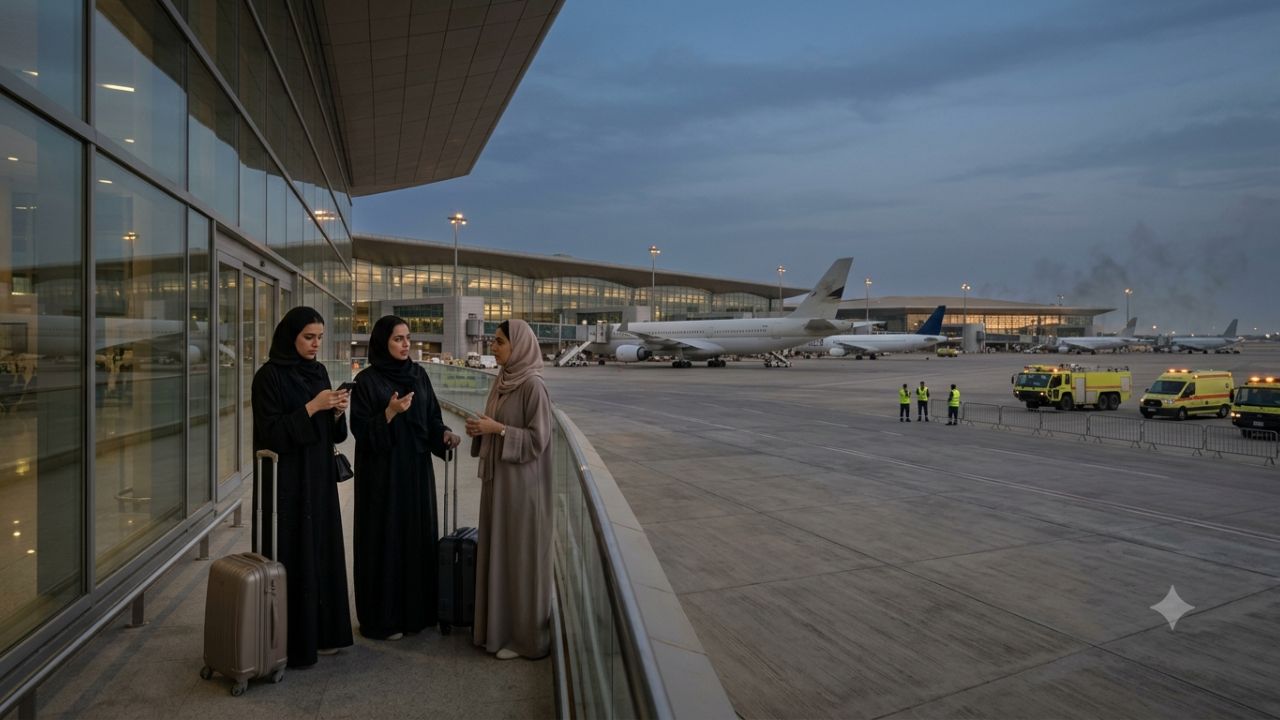
King Khalid International Airport in Riyadh faced emergency ground halts and regional aircraft diversions on October 10–11, 2026.
Flight schedules across the Arabian Gulf plunged into widespread volatility this weekend as Saudi Arabia’s General Authority of Civil Aviation (GACA) confirmed 12 fatalities and 309 injuries following a direct operational strike on King Khalid International Airport (RUH) in Riyadh. The critical incident prompted an immediate suspension of civilian departures and arrivals, emergency medical mobilisations across metropolitan hospitals, mid-air aircraft diversions to neighbouring hubs, and formal diplomatic advisories from international governments urging citizens to avoid the airport perimeter.
The casualty figures, released in an early morning briefing on Sunday, 11 October 2026, underline the acute civilian impact of the emergency. Deceased victims include four Saudi nationals alongside eight foreign citizens from Bangladesh, the United States, Egypt, Jordan, Syria, Palestine, and Sudan. While airport authorities began phased structural safety checks on affected concourses, ongoing operational suspensions and carrier route diversions continue to challenge transiting passengers across global aviation corridors.
Casualties, Terminal Infrastructure, and Regional Response Overview
The operational crisis represents the second and most severe security event at the capital’s gateway in less than 72 hours, compounding disruption after an earlier incident on Thursday, 8 October. The scale of the latest disruption is outlined below:
| Operational Indicator | Confirmed Status as of 11 October 2026 | Practical Implication for Air Passengers |
|---|---|---|
| Confirmed Casualties | 12 fatalities; 309 individuals injured | High-level medical and security cordon at terminal concourses |
| Victim Nationalities | Saudi Arabia (4), Bangladesh (2), US (1), Egypt (1), Jordan (1), Syria (1), Palestine (1), Sudan (1) | International consular and emergency coordination underway |
| Airfield Operations | Temporary suspension for damage review | Departures held; inbound flights routed away from Riyadh airspace |
| Carrier Actions | Kuwait Airways route cancellations; Gulf diversions | Passengers must verify rebooking before travelling to departure points |
| Diplomatic Advisories | US and UK embassies issued urgent stay-away directives | Nationals instructed to avoid the airport until formal clearance |
| Facility Assessments | GACA technical inspection teams deployed | Structural checks on concourse aprons, gates, and baggage facilities |
Flight Diversions and Cascading Operational Gridlock
When a central hub of Riyadh’s scale halts commercial traffic, disruption rapidly cascades through intercontinental airline rotations. Inbound long-haul and regional aircraft entering Saudi airspace were directed to alternate diversion airfields across the Gulf Cooperation Council (GCC), including Dammam, Jeddah, and regional Gulf gateways.
Airlines face compounding operational hurdles that persist well beyond initial runway inspections:
- Aircraft Positioning Disconnects: Long-haul aircraft diverted to secondary airfields leave onward scheduled sectors without assigned metal, disrupting flight rotations in Europe, Asia, and North America.
- Crew Duty-Time Expirations: Flight crews diverted mid-route frequently exceed mandatory legal duty limits, requiring carriers to position relief crews before aircraft can return to Riyadh.
- Connecting Itinerary Breakdowns: International transit passengers booked on onward flights through King Khalid International Airport risk missing connections, requiring comprehensive carrier re-ticketing.
- Regional Airline Cancellations: Regional carriers, including Kuwait Airways, temporarily suspended operations into Riyadh pending verifiable confirmation of aerodrome safety.
Essential Protocol for Passengers Ticketed Through Riyadh
Aviation authorities and international diplomatic missions strongly urge all passengers holding bookings to, from, or through King Khalid International Airport to follow strict travel protocols:
- Do Not Visit the Airport Terminal: Both the US Embassy and the British Foreign, Commonwealth & Development Office (FCDO) have instructed citizens to avoid travelling to RUH to seek customer service in person. Terminal perimeters remain restricted to emergency responders.
- Rely Exclusively on Digital Carrier Updates: Check real-time booking portals directly via airline applications rather than third-party aggregators, as schedule changes and cancellation notices are updating on rolling schedules.
- Contact Airlines for Involuntary Re-routing: Under standard international aviation conventions monitored by the International Civil Aviation Organization, involuntary schedule changes caused by airport closures entitle ticket holders to fee-free rebooking or full ticket refunds.
- Preserve Documentation for Insurance Claims: Maintain dated copies of boarding passes, disruption notifications, and out-of-pocket receipts for ground accommodation, meals, or alternative transport for submission to comprehensive travel insurance providers.
Broader Implications for Saudi Business Travel and Gulf Connectivity
Riyadh serves as the administrative, corporate, and tourism engine of the Kingdom’s Vision 2030 initiatives, hosting hundreds of multinational corporate offices and international summits. A sustained disruption at King Khalid International Airport ripples through hospitality, ground logistics, and trade supply chains.
The Saudi General Authority of Civil Aviation is working in coordination with international safety regulators to conduct comprehensive airfield sweeps. Until complete operational clearance is granted and airlines reposition stranded aircraft, Gulf travel itineraries will remain subject to short-notice schedule alterations and extended connection windows.
Frequently Asked Questions
Is King Khalid International Airport currently operating scheduled commercial flights?
Operations were temporarily suspended following the strike on 10 October 2026. While emergency assessments are underway, flights remain subject to rolling ground holds, diversions, and carrier-specific cancellations.
Which nationalities were affected among the confirmed fatalities?
Saudi authorities confirmed 12 deaths: four Saudi citizens, two Bangladeshi nationals, and one national each from the United States, Egypt, Jordan, Syria, Palestine, and Sudan.
Should passengers travel to King Khalid Airport to rebook disrupted flights?
No. Diplomatic missions, including the US and UK embassies, have warned travelers to stay completely away from the airport. Rebooking and inquiries must be handled online or over the phone.
Can travelers receive refunds for cancelled flights into Riyadh?
Yes. When flights are cancelled or significantly rerouted due to airport closures, airlines typically provide fee-free rebooking on alternative dates or complete refunds under commercial carriage rules.
Related Travel Guides
- Riyadh King Khalid Airport Missile Strike Triggers Mass Casualties, Flight Diversions, and Urgent US-UK Warnings
- US and Canada Issue Urgent Travel Advisories for Saudi Arabia Following Riyadh Airport Security Incidents
- Amsterdam Enforces 15-Night Holiday Rental Limit and Hotel Construction Cap in 2026
Disclaimer
This article is for informational and educational purposes only. It does not constitute legal, financial, or professional advice. While we strive to provide accurate and up-to-date information, travel policies, regulations, and conditions change rapidly. Always verify information with official sources before making travel decisions. Nomad Lawyer makes no representations about the accuracy, reliability, completeness, or suitability of the information provided. Readers should consult qualified professionals for advice specific to their circumstances. The views expressed in this article are those of the author and do not necessarily reflect the views of Nomad Lawyer.
Kunal K Choudhary
Co-Founder & Contributor
A passionate traveller and tech enthusiast. Kunal contributes to the vision and growth of Nomad Lawyer, bringing fresh perspectives and driving the community forward.
Learn more about our team →